Table of Contents
Summarised by Centrist
With 61 stores announcing closures or liquidations in the first 10 days of January, economists say the early stages of an economic recovery often bring more failures, not fewer, as reality fails to meet expectations.
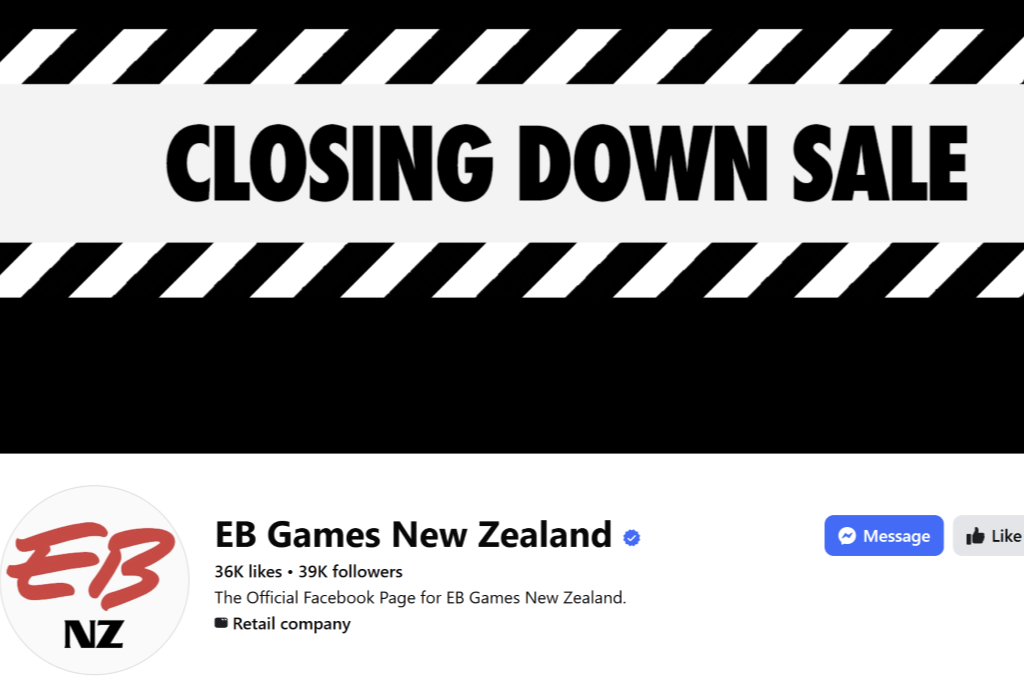
High-profile closures have piled up quickly. EB Games will shut its remaining stores by the end of the month, Miniso and Yoyoso have entered liquidation, and Wellington’s Leuven Belgian Beer Café is closing after 25 years. Smaller centres are also being hit, with long-running businesses in Whangārei among those shutting their doors.
Economist Shamubeel Eaqub said this pattern is common when conditions begin to improve. Businesses that survived the downturn often do so by bleeding cash while waiting for a rebound that arrives slowly and unevenly.
When activity lifts, it is frequently not enough to cover accumulated losses, new stock, or recent hiring.
“Businesses were saying ‘next quarter things are going to be much better’. Things were better but not as much better as they had expected,” Eaqub said, describing what he called a persistent “disappointment gap”.
Many firms expanded too early, restocked, hired staff, or bid aggressively for work simply to stay busy. When demand failed to materialise at the expected level, cash pressures intensified.
Retail NZ chief executive Carolyn Young said many businesses were counting on a strong fourth quarter to stabilise their finances, but December sales fell short. Discounting before Christmas, usually a red flag, became more common as firms tried to move stock and generate cash.