Table of Contents
Pee Kay
No Minister

From one of my mailing group
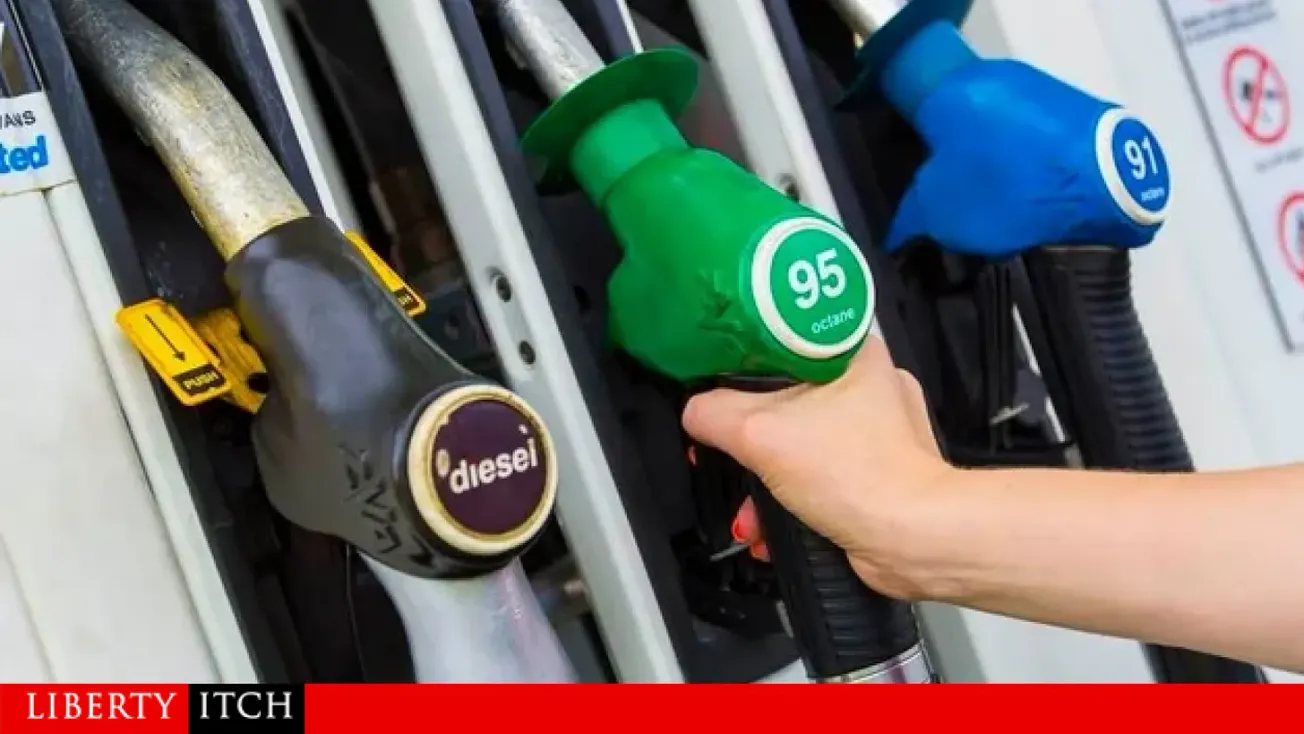
Why Petrol Prices Jumped – and Why the Government Quietly Wins Every Time
Over the past week, petrol prices have climbed from under $3 per litre to around $3.22 for 91 octane.
Most people assume this is just the global market doing what it does. But there’s a detail almost nobody talks about:
When petrol prices rise, the government gets an automatic tax windfall – even though none of the fuel excise rates change at all.
Here’s how it works.
FIXED TAXES VS PERCENTAGE TAXES
Fuel taxes come in two layers:
1. FIXED EXCISE TAXES (ABOUT 77 CENTS PER LITRE)
These don’t change when the price goes up. They’re flat.
2. GST (15%)
This does change – because GST is charged on the entire pump price, including the excise. That means when the price rises, GST rises with it.
It’s literally a tax on a tax.
WHAT THE LATEST PRICE JUMP MEANS
A move from $2.95 → $3.22 per litre increases the GST take by about:
Four cents per litre
That doesn’t sound like much – until you scale it.
Any country – but a small one like New Zealand that burns through a mere 2.2 billion litres of petrol per year, multiply it out:
≈ $82–$90 MILLION EXTRA TAX REVENUE PER YEAR
…from this one price jump alone.
No legislation.
No public announcement.
No debate.
Just an automatic windfall.
WHERE DOES THAT MONEY GO?
That’s the part nobody can answer – because there is no public reporting mechanism that tracks GST windfalls from fuel price movements.
There is no line item.
No disclosure requirement.
No explanation of how the extra revenue is allocated.
In a cost‑of‑living crisis, that lack of transparency matters.
If households are paying more every week, the least the public deserves is clarity about where the extra money goes – and whether it is being used to relieve pressure, or simply absorbed into the general Crown account.
WHY THIS MATTERS
When prices rise, families feel it immediately.
When tax revenue rises, the government feels it immediately too – but silently.
This isn’t about blaming any particular government.
It’s about transparency.
If the government receives an extra $80–$90 million a year from a price spike, the public should know:
- Was this expected?
- Was it discussed internally?
- Was it allocated to anything specific?
- Or is it simply treated as a quiet bonus?
This article was published by No Minister.