Table of Contents
The Minister of Forestry was asked a question in the house about land use conversion. After being flippant with his responses he finally used some data.
Todd Muller: Is he concerned that the regulatory impact statement for the zero carbon bill assumes 20 percent of New Zealand pasture land is converted to forestry?
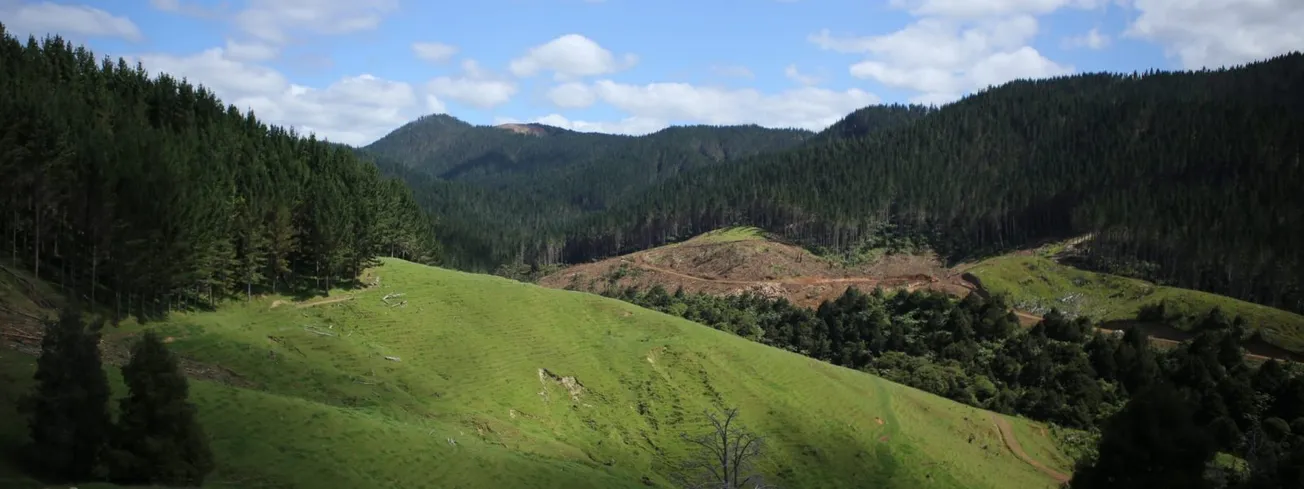
Hon SHANE JONES: I would advise the House that over the last 20 years 150,000 hectares—60 percent of which was forest land—has been converted to dairy; the remainder from low-productivity farming land into high-productivity dairy land. Land-use redistribution is a common feature of our modern economy. Now, in the case of whether or not large areas of rural New Zealand are disappearing into trees, I think that the exaggeration will be conquered by the facts.
Hansard
So what are the facts?
Currently there are approx 11.3 million hectares of pasture land in NZ. 20% of that is 2.26 million hectares that James Shaw wants converted to forestry.
Jones’ retort was that 60% of 150,000 hectares had been taken from forestry and converted to dairy [Therefore evil!]. That 60% is 90,000 hectares.
So 90,000 going one way in the last 20 years compared to 2,260,000 having to go the other way to save the planet. That is about 4% compared to 96%.
His words again:
Now, in the case of whether or not large areas of rural New Zealand are disappearing into trees, I think that the exaggeration will be conquered by the facts
Or, substituting the numbers (facts):
Now, in the case of whether or not a massive 2,260,000 hectares of rural New Zealand are disappearing into trees compared to a measly 90,000 hectares of forest disappearing into dairying land, I think that it will be clear that I have no idea of the facts in my portfolio.