


Skip to content

Peter Andersen

Word of the Day

Word of the Day

The word for today is… misnomer (noun) – 1. An error in naming a person or place. 2. (a) Application of a wrong name. (b) A name wrongly or unsuitably applied to a person or object. Source : The Free Dictionary Etymology : What’s in a name? Well, in some cases, a
Members Public
Word of the Day

Word of the Day

The word for today is… hiatus (noun) – 1. A gap or interruption in space, time, or continuity; a break. 2. (Linguistics) A slight pause that occurs when two immediately adjacent vowels in consecutive syllables are pronounced, as in reality and naive. 3. (Anatomy) A separation, aperture, fissure, or short passage

Members Public
Word of the Day

Word of the Day

The word for today is… excursion (noun) – 1. A usually short journey made for pleasure; an outing. 1. A roundtrip in a passenger vehicle at a special low fare. 2. A group taking a short pleasure trip together. 3. A diversion or deviation from a main topic; a digression. 4.

Members Public
Word of the Day

Word of the Day

The word for today is… ethereal (adj) – Intangible; delicate; heavenly; spiritual. Source : The Free Dictionary Etymology : If you’re burning to know the history of ethereal, you’re in the right spirit to fully understand that word’s etymology. The ancient Greeks believed that the Earth was composed of earth,

Members Public
Word of the Day

Word of the Day

The word for today is… clarity (noun) – 1. Clearness of appearance. 2. Clearness of thought or style; lucidity. Source : The Free Dictionary Etymology : Circa 1300, clarte, clerte “brightness, radiance; glory, splendor,” from Old French clerte, clartet (Modern French clarté) “clarity, brightness,” from Latin claritas “brightness, splendor,” also, of sounds, “clearness;

Members Public
Word of the Day

Word of the Day

The word for today is… chivy (verb) – 1. To vex or harass with petty attacks. 2. To manoeuvre or secure gradually. Source : The Free Dictionary Etymology : Chivy, which is also spelled chivvy, became established in our language in the 19th century and, at first, meant “to harass or chase.” Early

Members Public
Word of the Day

Word of the Day

The word for today is… brandish (verb) – To wave or flourish (something, often a weapon) in a menacing, defiant, or excited way. Source : The Free Dictionary Etymology : Often when we encounter the word brandish in print, it is soon followed by a word for a weapon, such as knife or

Members Public
Word of the Day

Word of the Day

The word for today is… totem (noun) – 1. (a) An animal, plant, or natural object serving among certain tribal or traditional peoples as the emblem of a clan or family and sometimes revered as its founder, ancestor, or guardian. (b) A representation of such an object. (c) A social group

Members Public
Word of the Day

Word of the Day

The word for today is… smite (verb) – 1. (a) To inflict a heavy blow on, with or as if with the hand, a tool, or a weapon. (b) To drive or strike (a weapon, for example) forcefully onto or into something else. 2. To attack, damage, or destroy by or

Members Public
Word of the Day

Word of the Day

The word for today is… satiate (verb) – 1. To satisfy (an appetite, for example) fully. 2. To provide (someone) with more than enough; glut. (adj) – (Archaic) Filled to satisfaction. Source : The Free Dictionary Etymology : Satiate, sate, surfeit, cloy, pall, glut, and gorge all mean to fill to repletion. Satiate and

Members Public
Word of the Day

Word of the Day

The word for today is… ransack (verb) – 1. To search through (something) thoroughly and often roughly. 2. To go through (a place) stealing valuables and causing disarray; pillage. Source : The Free Dictionary Etymology : Ransack carries the image of a house being roughly disarranged, as might happen when you are frantically

Members Public
Word of the day

Word of the day

plaintive (adj) – Expressing sorrow; mournful. Source : The Free Dictionary Etymology : Like its relative plangent, plaintive is often used to describe sad sounds. “A plaintive wail,” for example, is a common use. Plaintive and plangent (along with relatives plaintiff and complain) ultimately derive from the Latin verb plangere, meaning “to strike,

Members Public
‘And the Hour … Produced the Man.’
NZ

‘And the Hour … Produced the Man.’

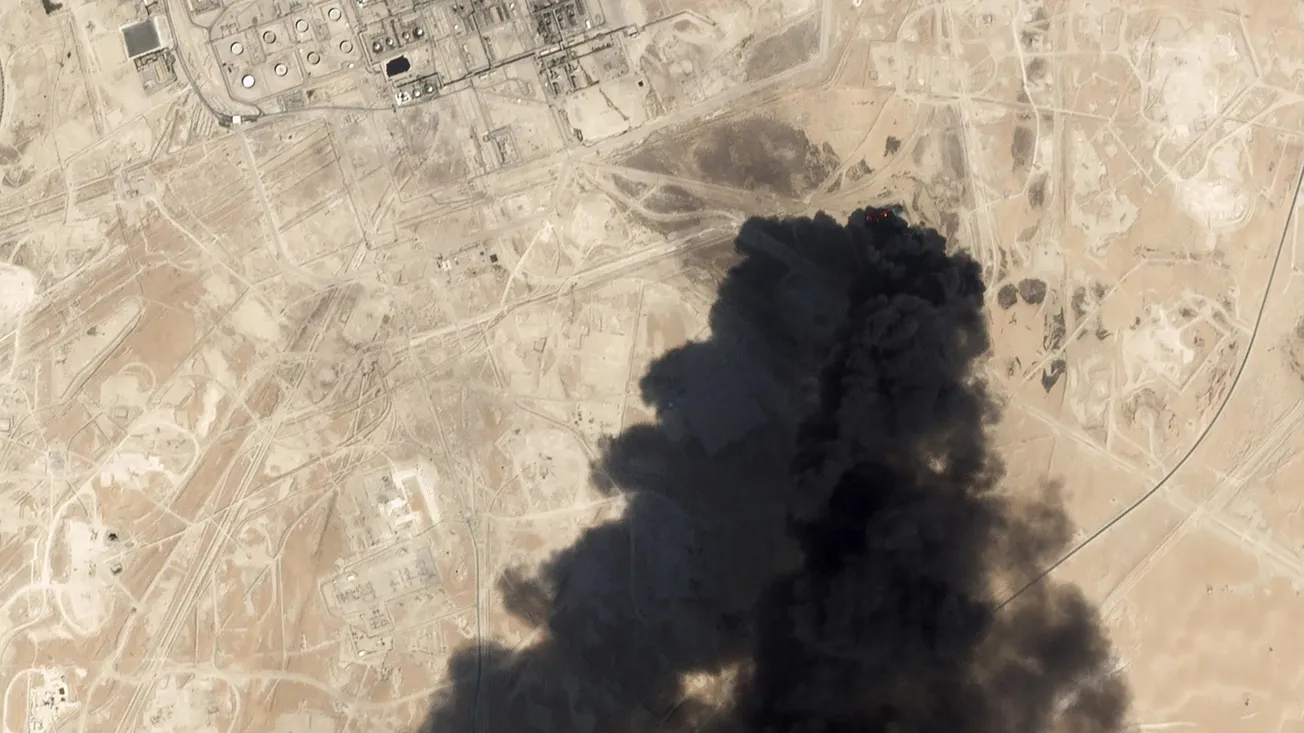
How long will it take before Trump, the devil incarnate, is raised to sainthood, and perhaps becomes deified? In light of the Saudi oil, drone attacks Trump’s drive to make the US energy independent will protect them from a probable oil shock. He’s worked on building the business

Members Public
Word of the day

Word of the day

The word for today is… passim (adverb) – Throughout or frequently; here and there. Used in textual annotation to indicate that something, such as a word or passage, occurs frequently in the work cited. Source : The Free Dictionary Etymology : Passim is from the Latin word passus (“scattered”), itself from pandere, meaning

Members Public
Word of the Day

Word of the Day

The word for today is… panjandrum (noun) – An important or self-important person. Source : The Free Dictionary Etymology : Mock name for a pompous personage, 1755, invented by Samuel Foote (1720-1777) in a long passage full of nonsense written to test the memory of actor Charles Macklin (1697-1797), who said he could

Members Public
Word of the Day

Word of the Day

The word for today is… miscible (adj) – Capable of being mixed in all proportions. Used of liquids. Source : The Free Dictionary Etymology : Miscible isn’t simply a lesser-known synonym of mixable—it’s also a cousin. It comes to us from the Medieval Latin adjective miscibilis, which has the same

Members Public