


Reproduced with permission

This Was a Lost Opportunity
The Royal Commission report into Covid was an opportunity for people's voices to be heard. Sadly, it has failed, preferencing power over humanity.

Now the Eagle Has Floundered
Labourite Chatham Islands CEO comes a criminal cropper. Where are the coppers?

The Left Is Clearly a Greater Threat To Free Speech
The evidence from Cambridge, and from Britain as a whole, points in one direction. It is the left – not the right – that poses the greater threat to free expression today.

Who Owns the Bus?
Issues of homelessness and vagrancy in public spaces and on public transportation are made worse because government ownership of the property does not allow for exclusion. Instead, we get the “tragedy of the commons.”

From Woke To Broke: Hochul Begs the Rich To Return
What ever happened to “jump on a bus and head to Florida where you belong”?

Latest Benefit Numbers – Beware the Spin
What really matters is the year-on-year comparison.

This Sudden Discovery of Restraint and Empathy
But is social media really the root of the evil of political scandals?

NZ Must Heed the Warning
New Zealand Defence Minister Judith Collins recently described the current environment as “the most dangerous we have ever lived in”.

‘This Is a Case About Swinging Dicks’
Business and property owners have no rights. Their female patrons have no rights. Girls as young as 13, who are now forced to be nude in front of grown men, have no rights. Only they/them have rights.

Free Speech in the Digital Age
By regulating online speech and expanding digital ID systems, governments are turning the natural right to free expression into a licensed activity.

Iranian Women Soccer Players Withdraw Asylum Request
Protesting the regime back home took real courage.
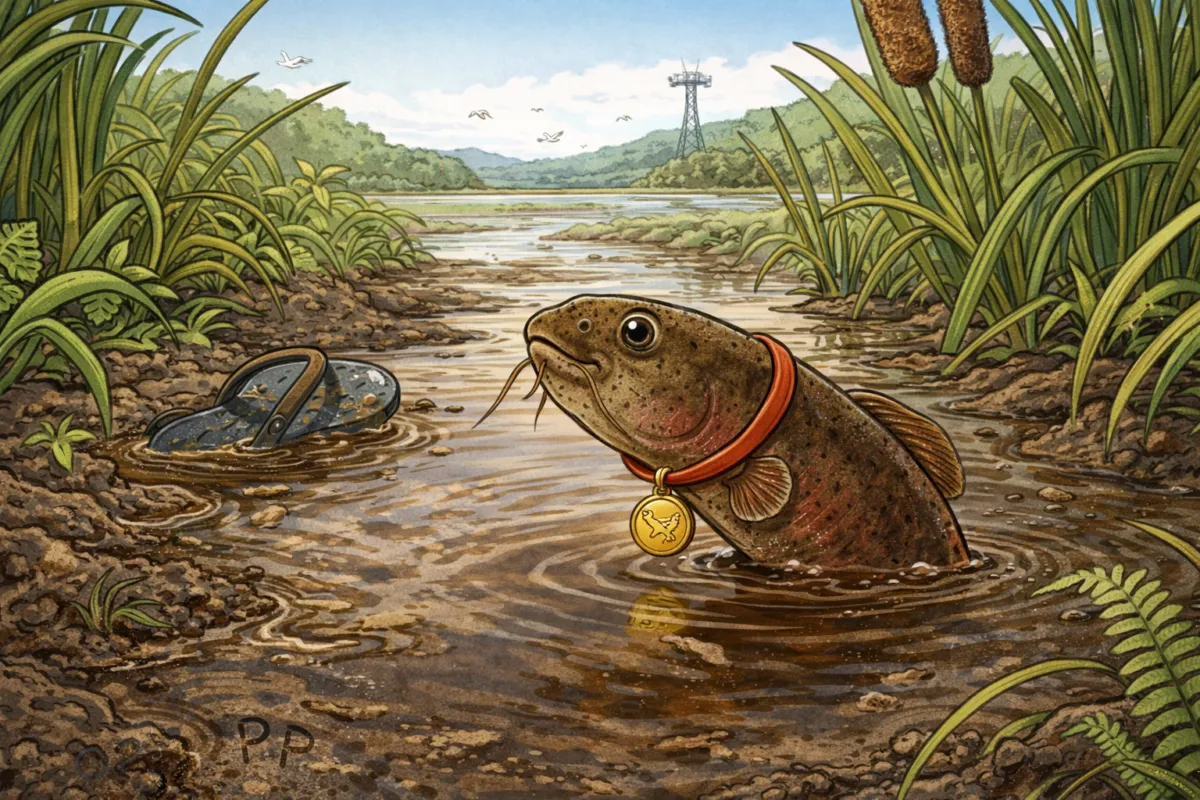
A Mudfish Wins Fish of the Year
The national champion is, in effect, a shy little swamp goblin with survival instincts and a strong preference for staying out of sight. This makes it a relatable icon. New Zealand is emotionally vulnerable to any small, weird battler that sounds underappreciated and slightly damp.
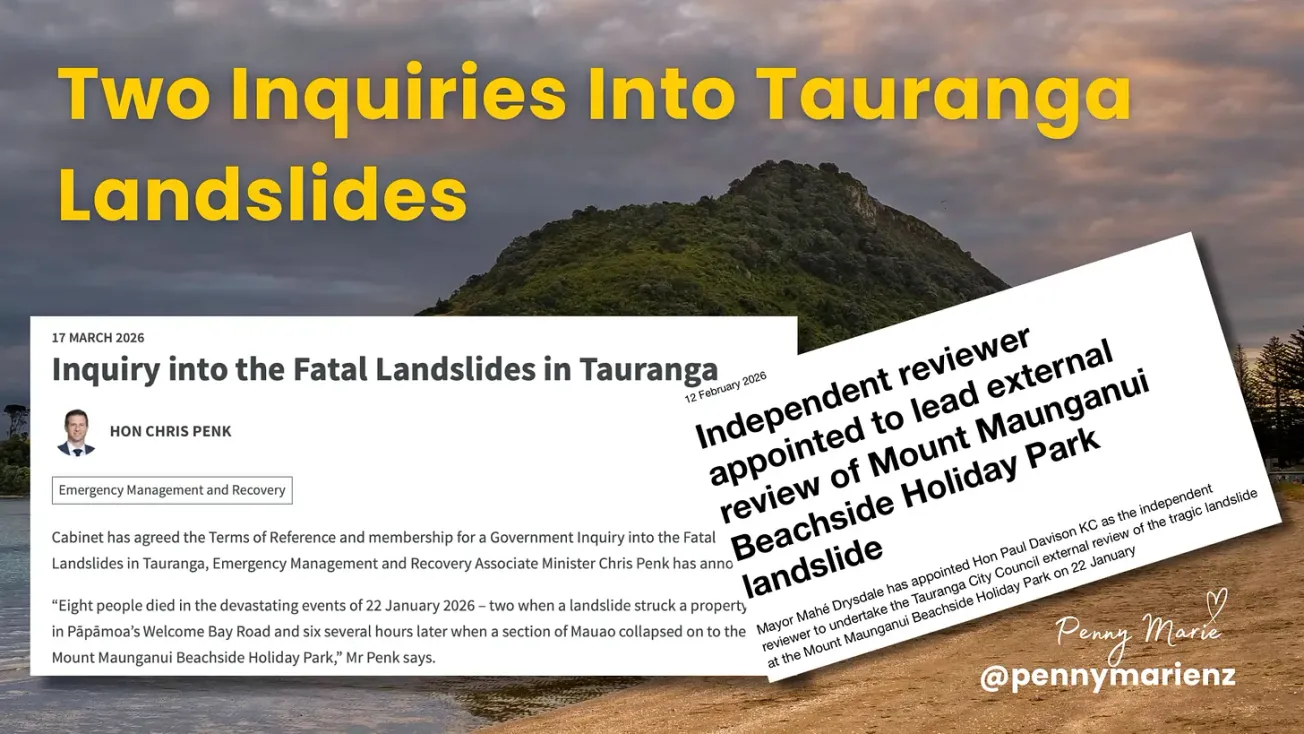
CTV Families Back the Inquiry, but There Are Issues
As Tauranga faces dual inquiries and multiple investigations, CTV families are urging strong family representation, whistleblower protections and a genuinely open process.


This Campaign Is at Risk of Backfiring
Journalists are further degrading the public’s trust in them.