Table of Contents
Summarised by Centrist
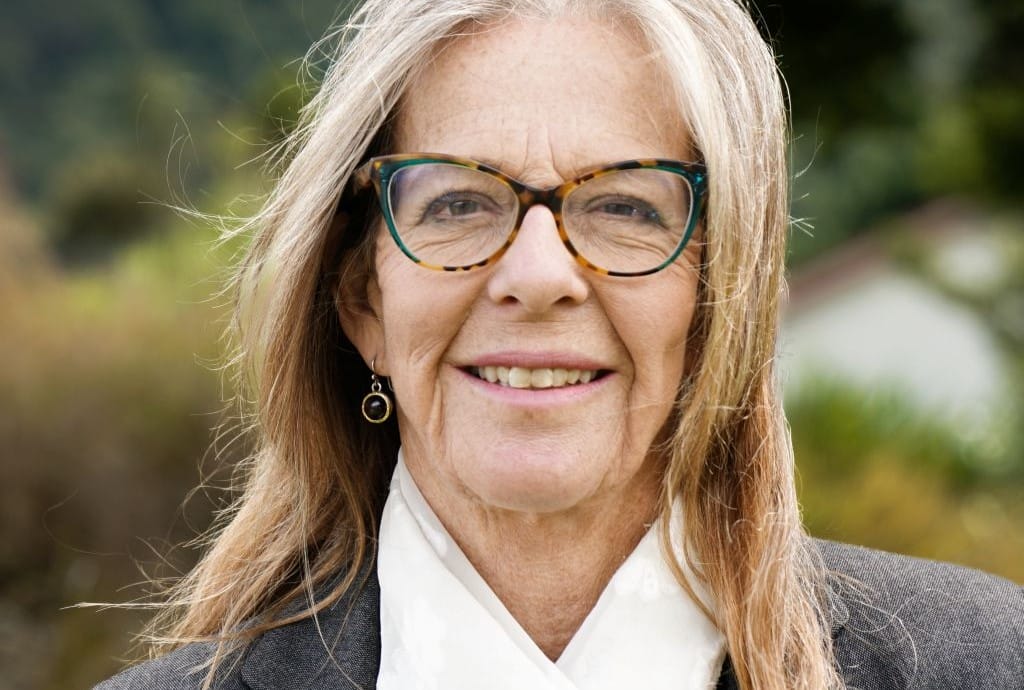
Green Party spokesperson and former Wellington mayor Celia Wade-Brown dismissed “Pākehā” councillors as mostly “a bunch of stale, pale males” amid failing to explain how Māori wards actually benefit Māori ratepayers.
Speaking on Newstalk ZB after 25 of 42 councils voted to scrap Māori wards, Wade-Brown claimed the system was working because 17 councils voted to keep them.
Asked to point to specific improvements for Māori communities, she offered none, saying only that Māori representatives bring “knowledge of the land and rivers” and that councils no longer needed to “ask all the Pākehā about how Māori should vote.”
ACT MP Cam Luxton called her remarks “infuriating” and said the results showed voters were rejecting racial division. “New Zealanders don’t want to be separated by race. They want to be treated equally,” he said. “This kind of rhetoric alienates people who simply believe in fairness.”
Wade-Brown, who is British-born, argued Māori wards “honour the Treaty” but avoided questions about measurable outcomes.
Luxton countered that rural wards are geographic, not racial, and represent everyone in their area. “Don’t treat my neighbour as different,” he said. “We all share the same whenua, the same rivers, and the same values.”
Of the 42 councils that held referendums, 25 voted to abolish Māori wards and 17 voted to keep them.
Editor’s note: Voters should take note when public figures, who claim inclusivity, resort to racist and sexist slurs like “pale, male, and stale.” Many find it genuinely surprising that people in a public capacity should be so comfortable using pejorative language, which reduces people to skin colour and gender.
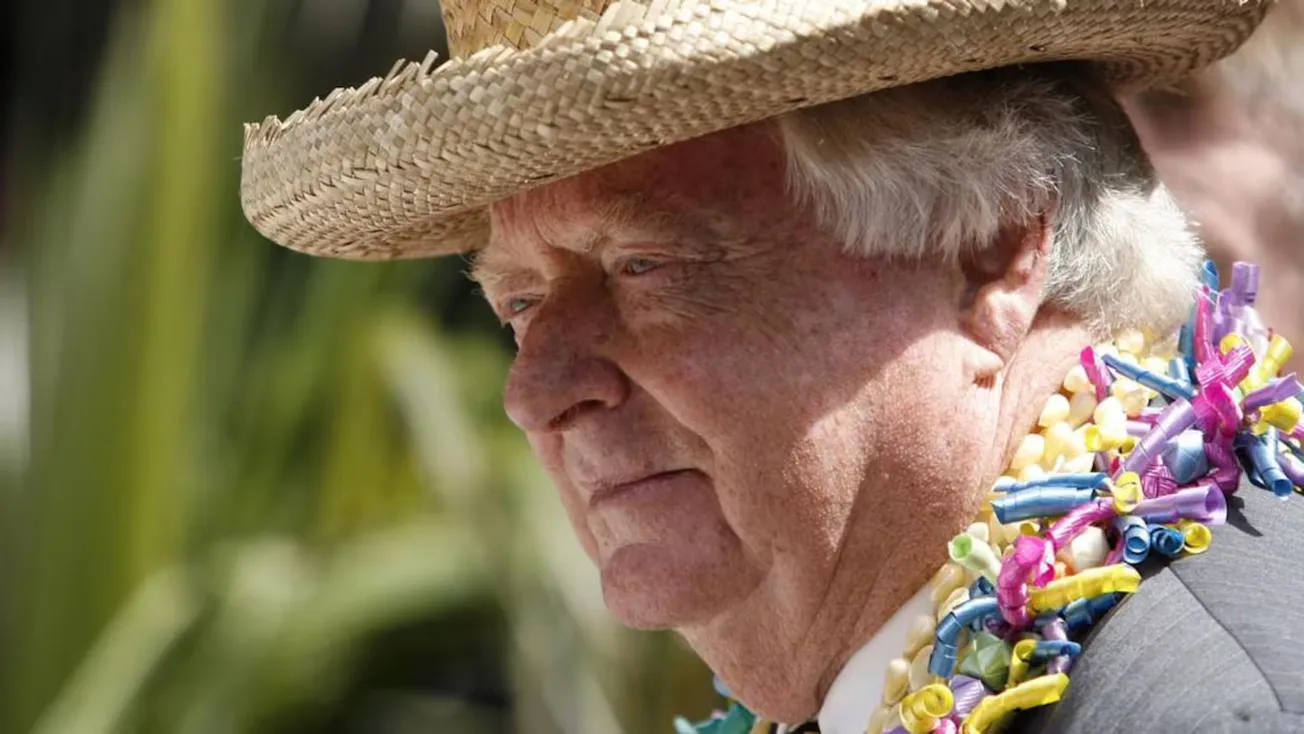
Image: Green Party