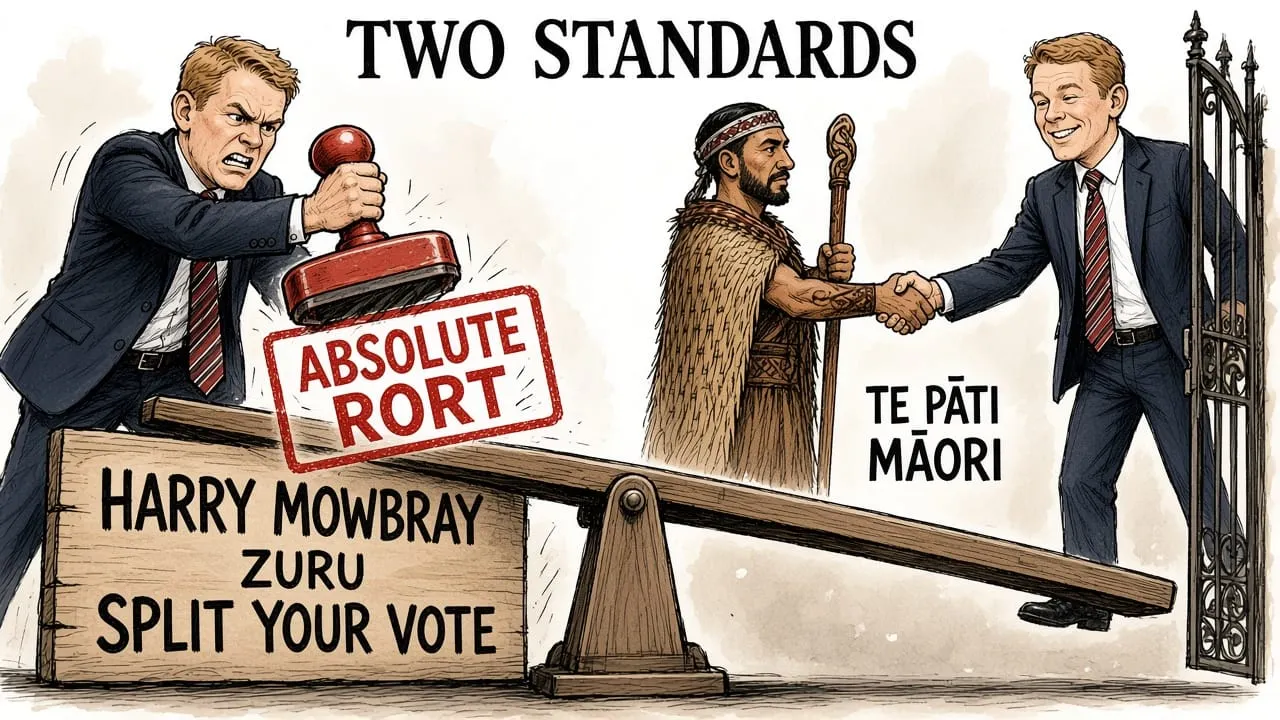
Christopher Luxon has responded to Winston Peters as a coalition spat widened in Wellington, with RNZ reporting the Prime Minister “fired back” at his deputy in the latest flashpoint for the coalition government. The exchange is the latest political conflict in NZ politics and adds pressure to a partnership that must project stability to maintain trust.
Escalation between coalition partners
RNZ described the dispute as a “coalition spat” that has deepened, placing the two leaders on opposite sides of a public disagreement. The clash has moved beyond a private disagreement and now sits in the open arena of New Zealand news, elevating scrutiny of how the governing partners manage internal differences.
Luxon’s response underscores a shift from quiet management to visible rebuttal, a sign the Prime Minister is willing to contest the narrative rather than absorb criticism. That stance risks hardening positions but also signals he intends to set boundaries within the coalition government.
Why it matters for the government’s standing
Public disputes between coalition partners test credibility and can weaken the perception of cohesion. In a MMP environment, sustained political conflict can erode confidence in the government’s ability to deliver policy, especially when key figures trade barbs in public.
The spat’s significance lies less in the immediate words and more in what it signals about power dynamics. If the pattern continues, it could reshape how the coalition operates and how voters evaluate leadership in a tight political environment.