Table of Contents
Summarised by Centrist
RCR’s Paul Brennan gathered Dr Alison Goodwin, Voices for Freedom co-founder Alia Bland, and Samoan agriculturalist Edwin Tamasese to ask how a childhood illness once treated as a household nuisance has become a public health panic.
The panel questioned government messaging around New Zealand’s recent measles cases and drew lessons from Samoa’s 2019 outbreak.
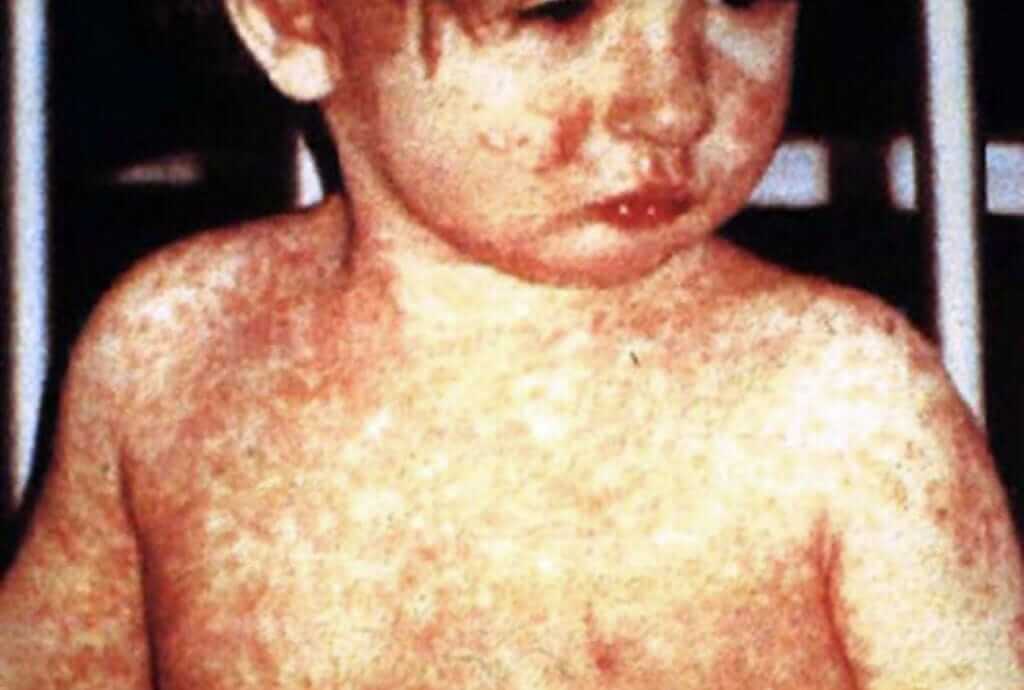
Goodwin, whose medical licence was reinstated after her challenge to COVID mandates, said measles severity depends on the individual. “For some people, it is a serious illness,” she said, “but for the majority of healthy, well-nourished, particularly vitamin A children, it’s an illness that runs its course.” She recalled a time when the disease was treated with calm rather than alarm. “There’s the episode of The Brady Bunch with them laughing and joking about getting time off school because of measles,” she said. “Historically, it’s a childhood disease that children get, they get through it, they get over it, and then they have lifelong immunity.”
Tamasese, who helped distribute vitamin A and C during the Samoan crisis, said hysteria and poor treatment protocols led to unnecessary deaths rather than solely the disease. Bland questioned data showing one in three measles cases required hospitalisation, noting that being in the hospital system for three hours counted as “hospitalised.”
Goodwin said “parents are getting a singular message: go and get vaccinated or you’re a bad person.”
The conversation turned to what Brennan called “the head of a pin” scale of the current outbreak, under 20 cases in a nation of 5.4 million. Goodwin urged perspective. “Please don’t panic. Make sure you’re informed,” she said.