Table of Contents
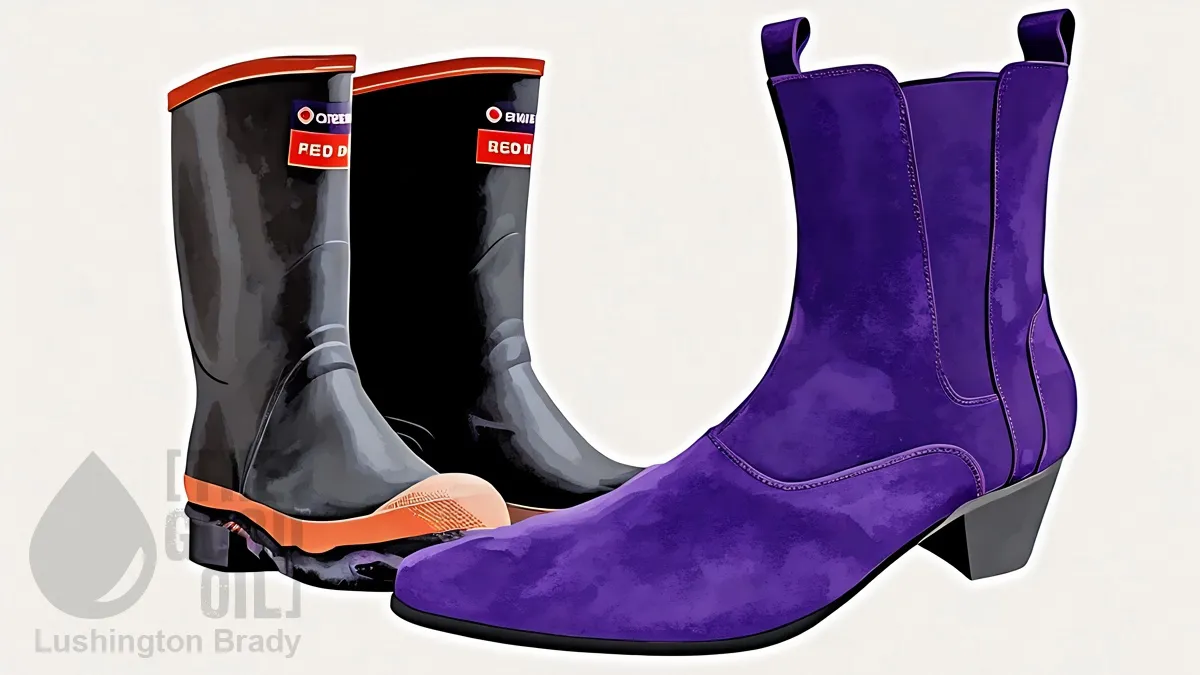
As I wrote a fortnight ago, New Zealand in the late ’70s was the unlikeliest of places to partake in the Punk Explosion. Yet it did, with gusto. But, in many ways, the NZ Punk Explosion of the ’70s was a firecracker compared to the even-unlikelier Rock’n’Roll explosion of 20 years earlier. When the Red Bands met the Doc Martens they were up against a lot – it was even more true a generation earlier, when the Red Bands met the winklepickers.
In a way, of course, they were more alike than not. The Punk Explosion began when a bunch of bored kids, who were still learning to play, stripped away the Prog-Rock pretensions of the late ’70s. As Billy Idol said of Mahavishnu Orchestra, “It’s beautiful music, but, fuck, man, I can’t play like that!” So, in the words of Ed Kuepper of the Saints, a bunch of yobs who couldn’t play too good put some Eddie Cochran riffs through overdriven amps.
The punks were, in fact, rediscovering the exuberant joy of the 1950s Rock’n’Roll Explosion – an explosion that swept New Zealand just as much as the rest of the world. Against all odds.
If Keith Richards thought a Sunday in Dunedin in 1962 was the single most boring day of his life, he should be thankful he wasn’t there a decade earlier. In the mid-1950s, New Zealand was an even more isolated outpost than it would be two decades later during the punk explosion. With a population of roughly 2.2 million in 1956, spread thinly across two main islands, the country had no dedicated rock radio, few professional recording studios and almost no local music industry infrastructure.
Yet rock’n’roll swept the islands like a trans-Pacific tsunami triggered by an earthquake on the US west coast, imported via American films, such as The Blackboard Jungle (1955) and Rock Around the Clock (1956), and smuggled 78s. Within months, dozens of bands and solo artists sprang up in Auckland, Christchurch, Wellington and smaller centres, blending Bill Haley energy with country, jazz and, in unique Kiwi style, Māori showband flair.
Most outfits were short-lived, playing school dances and youth clubs before fading as the decade ended. The sheer number of acts relative to the tiny population highlighted the same DIY isolation that later defined punk and the Dunedin Sound: without easy access to the latest US or UK hits, Kiwis created their own raw, localised version of the genre. This scene not only produced local superstars but also seeded the professional networks that sustained New Zealand music through the 1960s’ beat boom and beyond.
Just as across the ditch in Australia, the earliest rock’n’roll bands began by recording local variants of US hits before the imported records made their way by sea to the isolated Antipodean outposts, the NZ revolution began in 1955 when Wellington country singer Johnny Cooper, known as the “Māori Cowboy”, recorded a cover of Bill Haley’s “Rock Around the Clock” for HMV. It was the first rock’n’roll record cut in New Zealand, some claim in the world outside the US, although Aboriginal Australian jazz and blues singer George Assang (aka ‘Vic Sabrino’) also recorded a version in 1955, but the exact release date is unavailable.
In NZ, though, it instantly made Cooper a national figure. Already a veteran of talent quests and radio shows, Cooper followed it in 1956 with the original “Pie Cart Rock ’n’ Roll”, inspired by a late-night food van in Whanganui where he ran talent contests. The cheeky, pea-pie-and-pudding paean became New Zealand’s first indigenous rock recording (though Wellington teenager Sandy Tansley’s “Resuscitation Rock” may have edged it by weeks). Cooper’s band included local musicians like Will Jones and Ron James, and his live performances at pie carts and dance halls turned rock into a participatory teen ritual. Yet even Cooper’s success was modest by international standards – he remained more country crooner than full-time rocker.
As happened 20 years later with punk, Auckland soon became the epicentre of the burgeoning rock’n’roll scene. In 1957, 19-year-old Johnny Devlin burst on to the scene. Signed to Phil Warren’s fledgling Prestige label, Devlin cut a blistering cover of Lloyd Price’s “Lawdy Miss Clawdy” live at the Auckland Town Hall. Released in 1958, it sold over 100,000 copies in 1959–60, making it one of New Zealand’s all-time best-selling singles.
Dubbed “New Zealand’s Elvis,” Devlin toured with his band the Devils, drawing screaming crowds and even earning a cautious endorsement from Social Welfare Minister Mabel Howard after a 1959 Christchurch Town Hall show: “There’s nothing much wrong with rock’n’roll.” His repertoire mixed covers with originals like “Matador Baby”, but the frenzy was short-lived. Devlin relocated to Australia in 1959 for an Everly Brothers package tour and never fully returned as a rock star, though he maintained a long career in entertainment.
On the South Island, Christchurch contributed its own powerhouse, with a decades-long career. Max Merritt and the Meteors formed in 1956 when 15-year-old Merritt assembled schoolmates for dances at local halls. By the late 1950s, they were dominating the South Island circuit with a raw R&B edge that set them apart from pure rockabilly acts. Other early groups included the Keil Isles (a showband that incorporated rock), Clyde Scott and the Zanyopolis and the more countrified Tumbleweeds (who recorded hit albums in living rooms due to studio shortages).
In the Waikato, the Satellites and bands at the Starlight Ballroom kept the flame alive in provincial towns. Many were truly obscure weekend warriors playing covers of Jerry Lee Lewis or Buddy Holly in church halls and pie-cart carparks, dissolving after a few gigs when members got day jobs or moved away. Recording was primitive: TANZA and later Prestige and La Gloria labels captured live or basic sessions, but distribution was limited and sales rarely exceeded a few thousand outside of major hits. The scene’s ephemerality mirrored its isolation. Without major-label support or national TV until the 1960s, most bands relied on live work and word-of-mouth.
Once again in common with the ’70s Punk Explosion, the arrival of this ‘youth phenomenon’ was greeted with suspicion and moral panic from the wrinklies. Rock’n’roll was linked to ‘juvenile delinquency’ after the 1954 Mazengarb inquiry, but embraced by teenagers hungry for rebellion. Māori and Pacific musicians were disproportionately prominent, infusing the music with a flair inherited from the Māori showband predecessors and a cultural energy that gave NZ rock a distinct flavour compared to straight US mimicry.
A handful of figures made lasting contributions. Johnny Devlin’s star power helped legitimise the genre and inspired countless imitators. Max Merritt and the Meteors evolved into a premier soul-R&B act and Merritt briefly featured drummer Bruno Lawrence (later a punk and avant-garde figure). Merritt continued to have hits well into the ’70s, with “Slipping Away”. The Meteors’ 1960s success in Australia paved the way for later Kiwi exports. Ray Columbus and the Invaders, who began in the late 1950s, bridged to the 1960s beat era with hits like “She’s a Mod” (No. 1 in both countries in 1964). Many veterans transitioned into cabaret, TV, or the burgeoning 1960s’ scene that produced successors like the Quin Tikis, the Underdogs Blues Band and, later, Split Enz.
While no direct line runs from 1950s rock to the more renowned 1980s Dunedin Sound, the ethos of amateur invention in remote towns prefigured the lo-fi independence that defined Flying Nun in the 1980s. Isolation bred self-reliance: exactly the spirit Chris Knox and others would later channel into punk.
One big difference between the New Zealand of the late 1980s and after was that local talent grew a new cultural confidence. Just as Australian creatives had for decades been ‘pulled’ to London as the place to ‘make it’, Australia exerted the same magnetic pull on little brother New Zealand. Larger venues, TV exposure on Bandstand and recording opportunities lured ambitious acts across the Tasman. Johnny Devlin’s 1959 tour with the Everly Brothers was the trailblazer: he settled in Sydney and scored further hits. Max Merritt and the Meteors followed in 1963 after initial struggles. The La De Das and many more followed in the ’60s. Even by the late ’70s, Split Enz and Mi-Sex were still following the same path.
In the global rock’n’roll revolution, dominated by US and UK giants, New Zealand was never a centre, but it was a vivid parallel universe: remote, resourceful and improbably vital. The safety pins and jangle of later decades had their roots in those pie-cart nights when a handful of teenagers first dared to rock.