

Parliament’s Speaker, Gerry Brownlee told Shane Jones to “haere rā”, after the regional development minister lobbed three insults at Te Pāti Māori co-leader Debbie Ngarewa-Packer.
During a series of pre-prepared “patsy” questions from an NZ First backbencher on Wednesday, Jones decided to take aim at Ngarewa-Packer. He told Stuff that Ngarewa-Packer had been “very rude” to him while he was answering the questions.
However, her comments were not picked up clearly by parliament’s microphones.
Jones’ one-liners started with a slight against the intelligence of Ngarewa-Packer and her iwi, Ngāti Ruanui.
“I accept, Mr Speaker, in some areas the growth in intellect and the growth in intelligence will take a lot longer. And I fear that the longest period of time it will take will be around Ngāti Ruanui in Taranaki,” he said.
Jones had been answering questions about mining and critical minerals. He managed to make a joke from that topic.
“It could well be that critical minerals are needed for hearing aids. And I rather fear, Mr Speaker, that hearing aids are needed for the member from Western Māori sitting to my right,” he said.
Brownlee interrupted, saying there was “no need to make those comments”.
But Jones continued, pleading that Ngarewa-Packer would “stop talking like a wounded hen and listen to the matua”.
Brownlee put an end to that line of questioning, but discussion continued. Then Brownlee told Jones, “haere rā indeed, off you go.”
Stuff
Face of the Day
“It could well be that critical minerals are needed for hearing aids. And I rather fear, Mr Speaker, that hearing aids are needed for the member from Western Māori sitting to my right” – Minister Shane Jones.

Related

Face of the Day
“There was over a 20 per cent swing. So that’s huge. It is the only thing that has saved the centre-right in this country” – Mowbray

Face of the Day
RNZ’s head of audio Pip Keane says Gower is a brilliant broadcaster and has been a popular fill-in host over the past few years.
Face of the Day
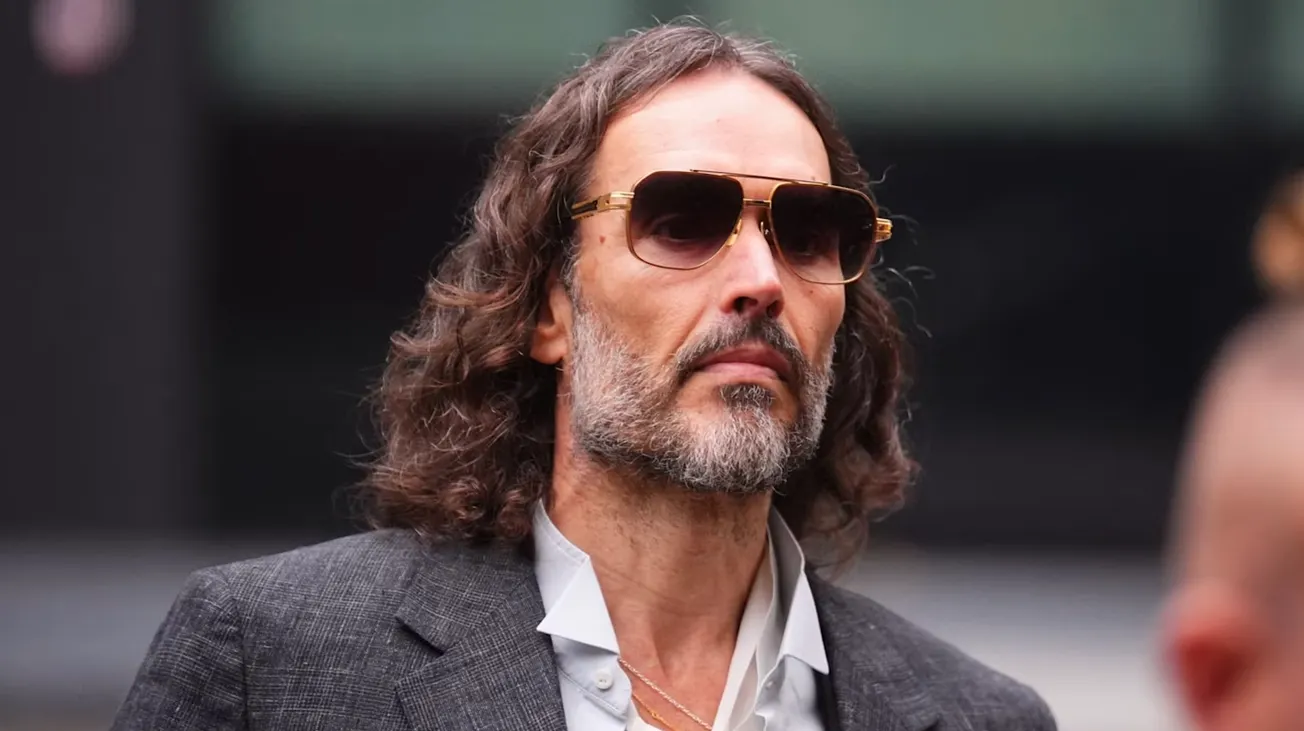
Judge Joel Bennathan said on Thursday (local time) the British actor-comedian faces a “significant” prison term when he is sentenced on Monday.
Face of the Day
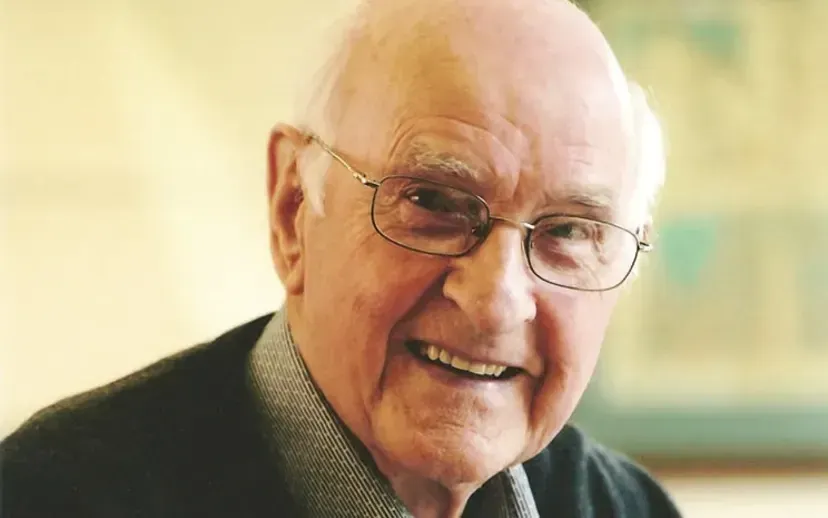
Sir Lloyd, a theologian, was a member of the prestigious Order of New Zealand, and was knighted in 2009.
Latest

Good Oil General Debate
Please read our rules before you start commenting on The Good Oil to avoid a temporary or permanent ban.
Face of the Day
“There was over a 20 per cent swing. So that’s huge. It is the only thing that has saved the centre-right in this country” – Mowbray

The Good Oil Word of the Day
The word for today is… averse (adjective) - : having an active feeling of repugnance, dislike, or distaste —usually used with to —commonly used in compounds both with and without a hyphen Source : Merriam-Webster Etymology : Many people find themselves confused when faced with the choice between adverse and averse. While these

The Good Oil Daily Bible Verse
6 And he said unto him, Behold now, there is in this city a man of God, and he is an honourable man; all that he saith cometh surely to pass: now let us go thither; peradventure he can shew us our way that we should go.