Table of Contents
Summarised by Centrist
FBI Director Kash Patel gifted New Zealand officials inoperable 3D-printed pistols during a July visit to Wellington, items later determined to be unlawful under New Zealand firearms law.
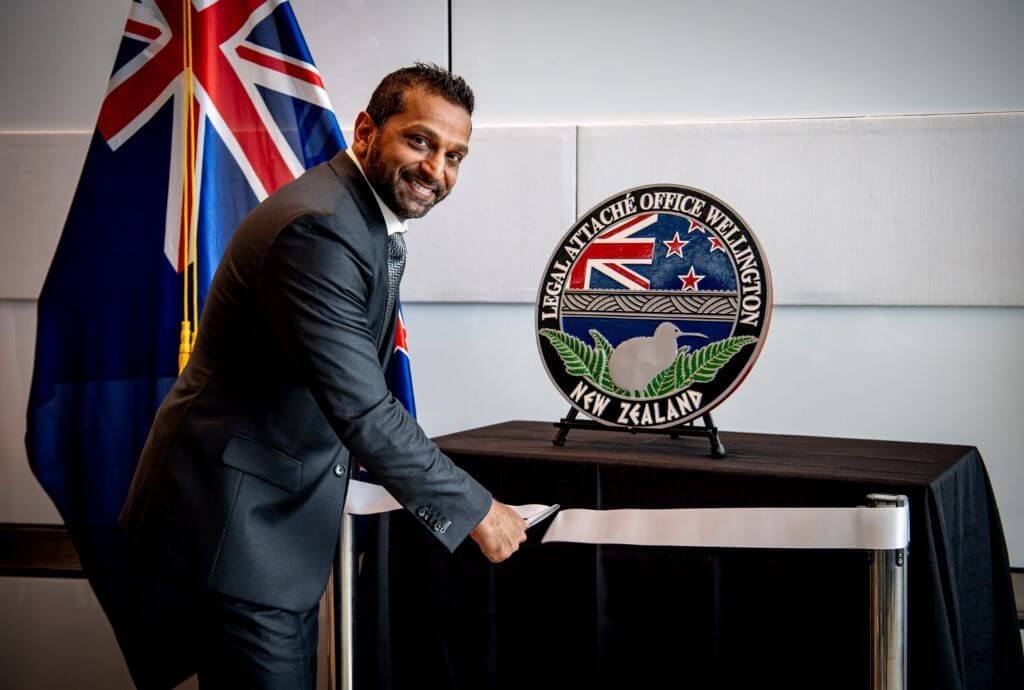
Patel presented the replicas to Police Commissioner Richard Chambers, intelligence chief Andrew Hampton, and GCSB director-general Andrew Clark when opening the FBI’s first standalone office in New Zealand on July 31. Officials described the gifts as part of a “challenge coin display stand.”
Under New Zealand law, inoperable weapons that could be modified into functioning firearms are prohibited without a special permit. Possessing a pistol illegally carries a maximum penalty of three years in prison or a NZ$4,000 fine. There is no suggestion Patel faces charges.
Commissioner Chambers said he immediately sought advice from the Firearms Safety Authority. “While inoperable in the form they were gifted, a subsequent analysis determined that modifications could have made them operable,” he said. Chambers instructed police to retain and destroy the pistols. Hampton and Clark’s gifts were also handed over to police. The FBI declined to comment.
New Zealand’s gun laws were tightened after the 2019 Christchurch mosque attacks, which killed 51 people. Semi-automatic weapons and assault rifles were banned, and pistols remain tightly controlled.
Patel’s visit marked the opening of the FBI’s New Zealand office, aimed at strengthening Five Eyes security cooperation, countering Chinese influence in the Indo-Pacific, and tackling cybercrime. He is the most senior Trump administration official to visit New Zealand in the president’s second term.