Summarised by Centrist
Retired judge David Harvey says New Zealand has failed to adopt a clear constitutional statement that individual rights exist before the state.
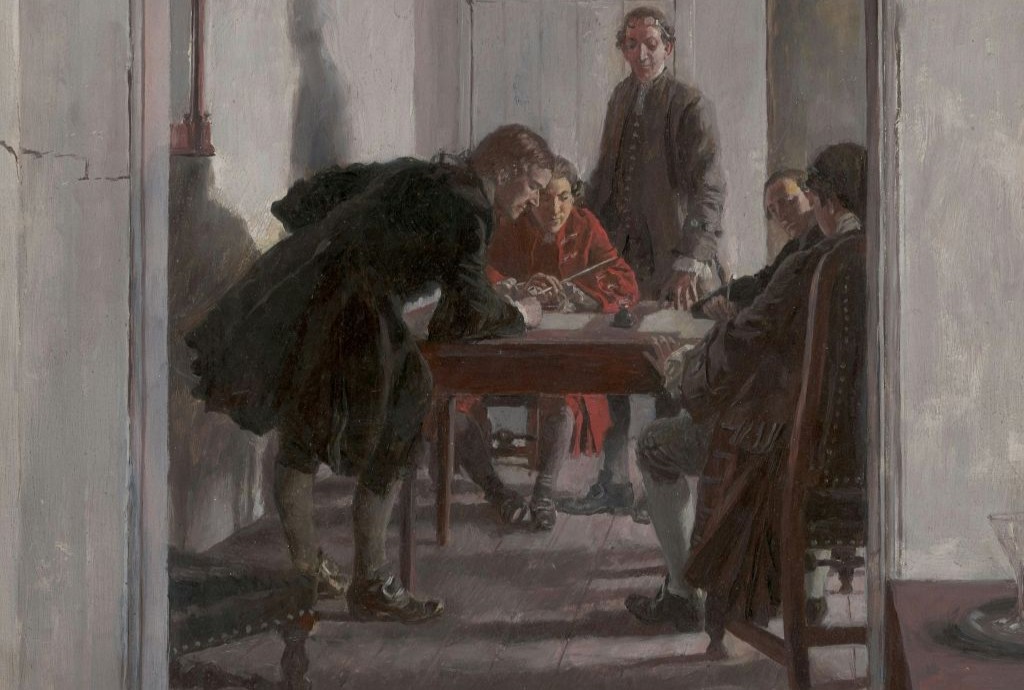
Writing in the Herald, Harvey contrasts New Zealand’s system with Thomas Jefferson’s declaration that people have “inalienable Rights”, including “Life, Liberty and the Pursuit of Happiness”. Harvey says Jefferson’s words were not just historical rhetoric but “the clearest, most potent expression of the individualist ideal ever written in English”.
His argument is that New Zealand has never written an equivalent sentence. Instead, its unwritten constitution rests on parliamentary sovereignty, where Parliament “may make or unmake any law”. Harvey says that leaves “no right” entrenched and “no liberty” beyond revision.
In his view, this reverses Jefferson’s principle. Where Jefferson places the individual above the legislature, Harvey says New Zealand places “the legislature above the individual”. The result is that rights become “permissions” and liberties become “licences”, rather than protections standing above ordinary politics.
Harvey also argues New Zealand has moved away from individual liberty and towards group-based rights, state-managed wellbeing and a citizenry dependent on government. He says the individual has been left “unfortified”.
His sharpest example is the Treaty Principles Bill. Harvey says it attempted to state “that all individuals are equal before the law”, making it the closest New Zealand has come to a Jeffersonian declaration.
Instead, he says, Parliament rejected the Bill 112-11 and New Zealand “recoiled” from the universalism Jefferson would have recognised.