Table of Contents
Summarised by Centrist
Labour leader Chris Hipkins has questioned whether the Law Commission would still be seen as “completely neutral, unbiased and dispassionate” following the appointment of former Cabinet minister Judith Collins as its incoming chair.
Speaking soon after Collins announced her resignation from Cabinet, Hipkins said her move from a senior role in “a very political government” risked shaping how the commission’s advice would be received, noting she was “currently, right now, a minister” at the time of her appointment.
On contentious issues, Hipkins said, “it would be very difficult to see any advice from the Law Commission in the way that we previously would have”.
“I can’t imagine the Law Commission being asked to look at [hate speech] when you’ve got someone who is so clearly political on those issues in charge,” he said.
Collins rejected the suggestion, saying her legal training required impartiality. “I’m a lawyer. We’re taught to argue any side that there is,” she said. “So I’ll be perfectly fine.”
Prime Minister Christopher Luxon strongly defended the appointment, describing Collins as “eminently qualified” with “a deep, storied career in law”, and saying she would be “brilliant in the job”.
Luxon and Collins cited Geoffrey Palmer as precedent, a comparison Hipkins sought to minimise, despite Palmer himself backing Collins and saying her political experience would help ensure reforms are “accepted and actioned”.
Editor’s note: Critics argue that the Law Commission is already political. A clear example came in 2025 with the Law Commission’s Ia Tangata report, which proposed changes to the Human Rights Act that would limit the ability of schools, sports bodies, and public facilities to maintain sex-based distinctions.
Those proposals prompted backlash from advocacy groups such as Resist Gender Education, which argued the recommendations politicised gender by reshaping sex-based rights around identity claims. The commission itself downplayed the impact, arguing the changes would affect only a small number of cases.
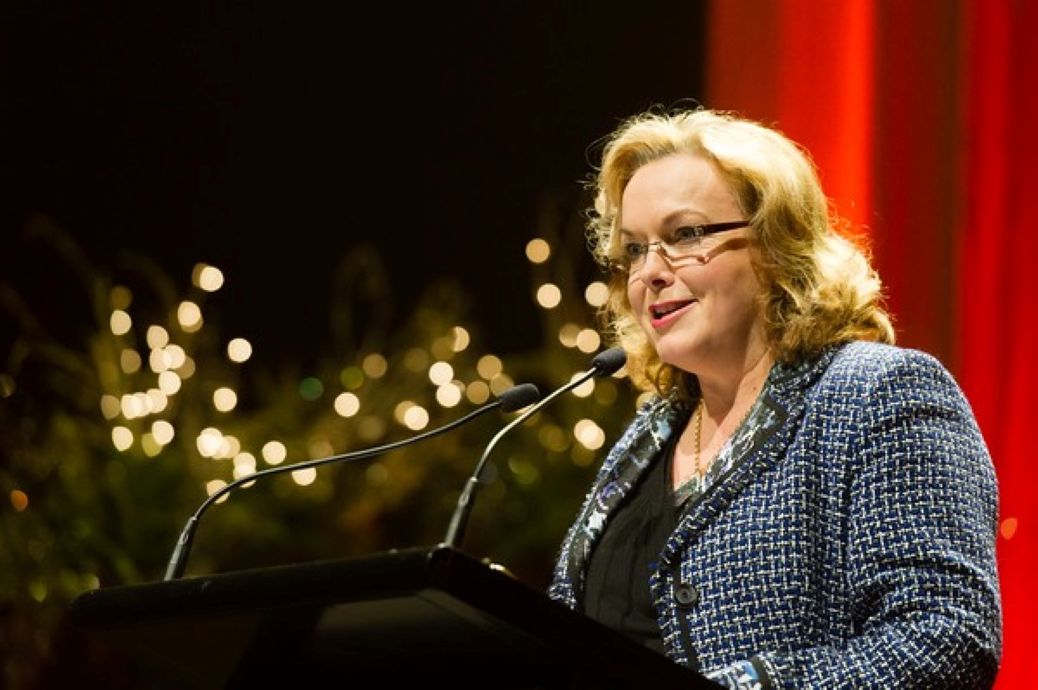
Image: nznationalparty