Table of Contents
Summarised by Centrist
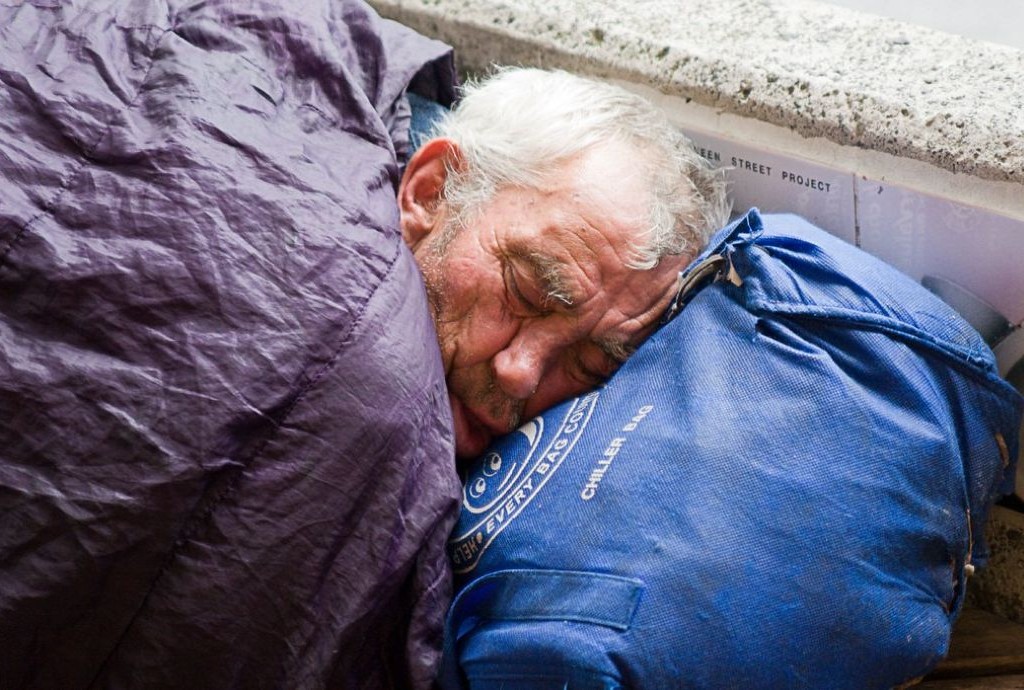
On December 16, the Salvation Army and Community Housing Aotearoa released survey results indicating that in Auckland, the number of people living without shelter rose from 426 in September 2024 to 940 in September 2025.
The figures relate to people sleeping rough or without any form of accommodation.
Government housing support fell over the same period, with funding reduced from $655 million last year to $577 million in the year to June 2026.
The decline in emergency housing support coincided with higher unemployment. Official figures show the unemployment rate reached 5.3 percent in the September quarter, equivalent to about 160,000 people.
As of September, more than 410,300 people, or nearly 13 percent of the working-age population, were receiving main welfare benefits, an increase of more than 19,000 compared with September 2024.
Further evidence of housing stress was documented in a December 11 report by Citizens Advice Bureau, based on more than 10,000 enquiries between November 2023 and April 2025.
The report and related data indicate homelessness is more prevalent among Māori, Pacific peoples, and younger New Zealanders.
Census figures show that nearly half of people experiencing severe housing deprivation are under 25 years old.
A separate December report by Auckland youth organisation Kick Back, based on its work with 160 young people, found homelessness among children and teenagers was particularly acute, with 62 percent under 19 and 17 percent under 16.
Image: wonderferret