Table of Contents
If you’ve ever worked around kids and technology, you’ll know perfectly well that teenage rat cunning will beat adult brains, any time. When I briefly worked in education, the school’s IT manager complained that his job was a constant game of technological whack-a-mole. As soon as he plugged up one digital loophole, even dullards who could barely read or write had figured a way around it.
So when the Albanese government bragged that it was banning under-16s from social media, it was a good belly laugh. Because it’s panned out exactly as we could see it would.
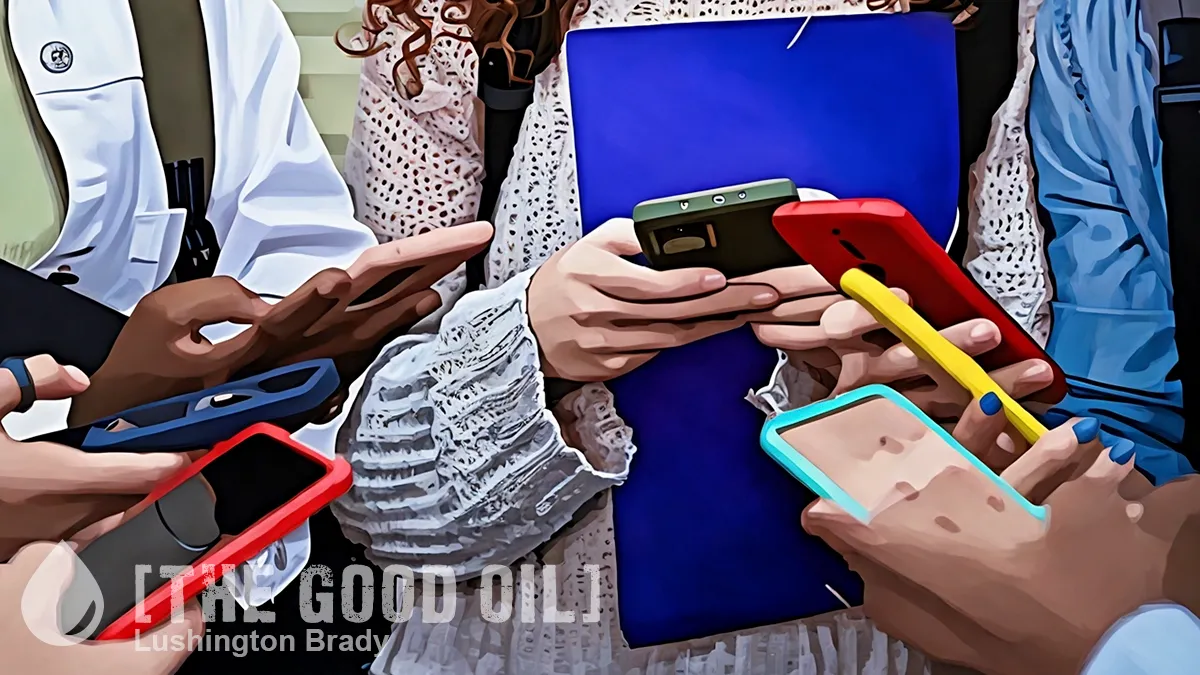
It has been almost two months since Australia’s world-first social media ban for under-16s came into effect, and for Adyan, 14, life has not changed too much.
“I thought the ban would be, like, way more strict, but it ended up being really, like, chill, like, nothing happened,” he said.
“It’s completely useless.”
The biggest plank of the ban was facial recognition technology. As if governments who thought six-foot hulking and bald Middle Easterners were ‘children’ were going to have a hope in hell. Most teenagers easily passed facial recognition scans, if they were even prompted in the first place. If they didn’t, getting around it was almost as easy as putting on a Halloween mask.
Adyan said that while his Instagram account was initially banned, this was only a small hurdle.
“It wasn’t letting me use my face, so I got my friend’s driver’s license, and then I used it, and then it worked, so now I have all social media.”
Others used the insanely high-tech workaround of simply lying about their age when they created new accounts.
“I didn’t get any warning on anything. When I first made my social media accounts, I had already set my birthday before the year I was born. So I was born in 2010, I think I had set it to like 2007,” said Evie, a 15-year-old from Adelaide.
The ban has also spawned a cottage industry of adolescent entrepreneurs, says Alby, 14.
“Now there’s sort of like a market for it of younger people under the age of 16 giving money to their friends or people they know that are older to do ID scans for them, or your parents doing it for you. So it’s really easy to get around.
“I personally haven’t even gotten, like, a message saying, ‘You’re banned’ or had to do any ID scans. I’m still on it, but my friends that have, they’ve all got around it.”
The teens agree that barely anyone was actually affected by the ban. Those who were, seemed completely random. Fifteen-year-old Anabell says she was banned, while 13-year-olds carried on unaffected.
“Ten per cent probably got banned, and most of them were people my age that didn’t really need to get banned and have birthdays coming up” […]
Adyan agrees with Anabell’s estimate.
“Probably around 10 per cent of them actually have been banned, and half of that 10 per cent has been unbanned by just using basically the same thing that I did: use other people’s faces, use their driver’s licence.
“Now, really, none of my friends are banned. Everyone has social media.”
According to the government’s almost-certainly optimistic claims, less than half of Instagram or Snapchat under-16s having their accounts deactivated. It’s also certain that many of those would have simply created new accounts and carried on.
Tell me this isn’t a government operation.