Summarised by Centrist
Writer Larelle Bossi argues that the global shift toward renewable energy is creating growing tensions between climate goals and environmental protection.
According to Bossi, renewable energy projects such as wind farms, solar developments, transmission lines and critical minerals mining are increasingly expanding into “regions of high ecological value”, raising concerns about habitat loss, biodiversity decline and landscape transformation.
Bossi writes that renewable energy is now both “an environmental solution and a form of industrial development”, creating conflicts between competing environmental priorities rather than the older “brown versus green” divide between fossil fuels and conservation.
Governments are often pursuing contradictory objectives at the same time. Departments tasked with accelerating renewable energy projects operate alongside agencies responsible for biodiversity protection, cultural heritage and land management.
Bossi says these tensions are especially visible in Australia, which is described as both “a global biodiversity hotspot” and a country seeking to become “a renewable energy superpower”.
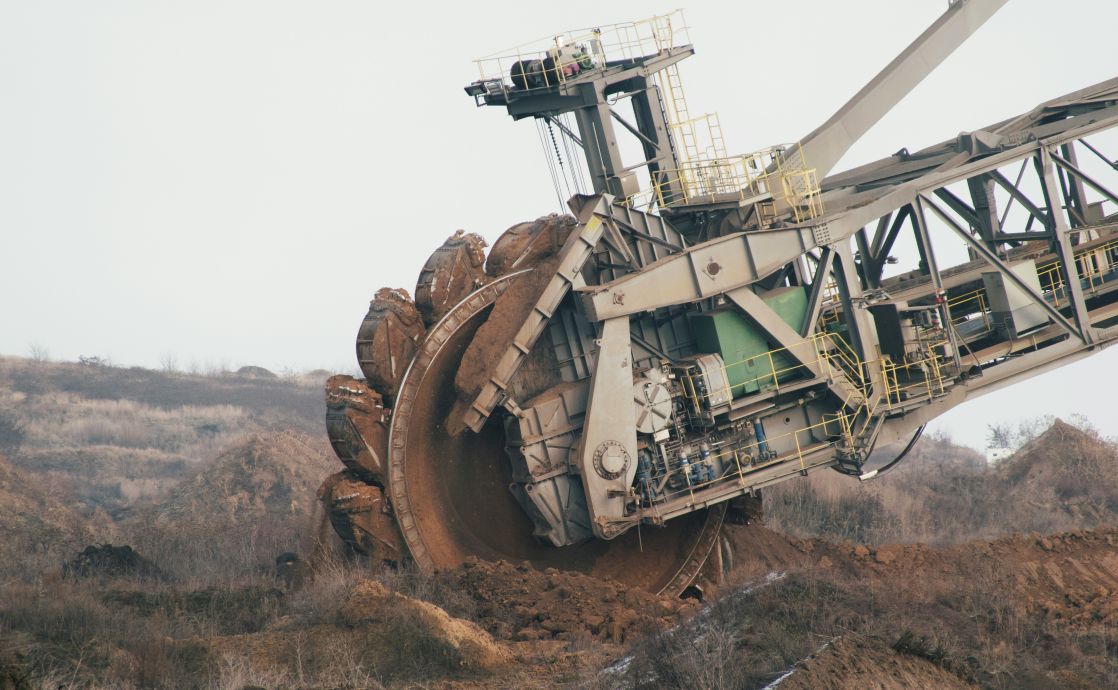
Wind turbines, solar panels, batteries and transmission networks rely on large-scale extraction of minerals such as lithium, copper, nickel and rare earth elements.
These supply chains can involve “biodiversity loss, water stress, land-use conflict, and human rights risks”. Bossi says the environmental costs of decarbonisation are “not eliminated” but instead “displaced – across regions, ecosystems, and communities”.
Current policy settings are too focused on carbon reduction alone. Bossi describes this as “carbon reductionism”, where emissions targets become “the overriding metric of success” while biodiversity, cultural heritage and local environmental concerns are treated as secondary.
According to Bossi, the energy transition is “equally a political and ethical project” as well as an infrastructure challenge.