Table of Contents
Matua Kahurangi
Just a bloke sharing thoughts on New Zealand and the world beyond. No fluff, just honest takes.
There was once a time in New Zealand when the ta moko was sacred. Etched into the skin through pain and ritual, it was reserved for those who had earned it through status, service, and mana. In today’s landscape, it seems the moko has become little more than an accessory, stripped of its meaning and reduced to a performative symbol of identity politics. A virtual signalling barcode, if you will.
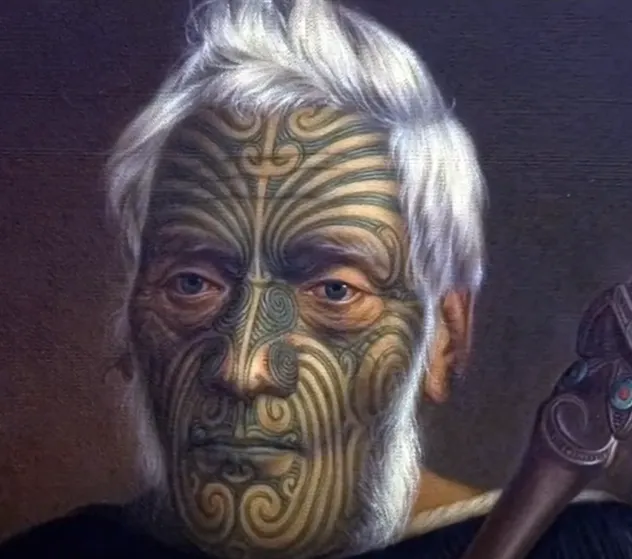
The other day, I rewatched Skeletons in the Cupboard, a documentary that TVNZ pulled from its OnDemand platform back in 2018. In it, Māori ta moko artist Jason Phillips shared a story passed down orally, a tale of a fair-skinned Māori warrior with a full facial moko. It wasn’t the story that stood out. It was what Phillips said next:
People think everyone got tattoos in the old days. They’re wrong. Five to ten percent at the most. You had to be something to deserve it, especially a facial tattoo.
That one statement stopped me in my tracks. It’s a reminder of how things used to be. The moko wasn’t just ink. It was earned. It signified rank, whakapapa, and responsibility. It was reserved for warriors, leaders, and those of high social standing. A taurekareka, a slave, could never have one. Those who had the means but not the status? They’d be seen as nobodies if they tried.
Today, you’ll see moko kauae lining the queues outside WINZ. People who speak of decolonisation while relying on the very systems they claim to oppose. The same people wearing symbols of prestige without the deeds to match. It’s performative. It’s ironic. It’s insulting to those who once bore the mark with genuine honour. They too are slaves, but slaves to the colonial system.
We now have OnlyFans creators incorporating moko kauae into their brand, blending sacred tradition with pornography. What was once a symbol of ancestral authority is now being filtered through porn thumbnails. Is that where we’re at?
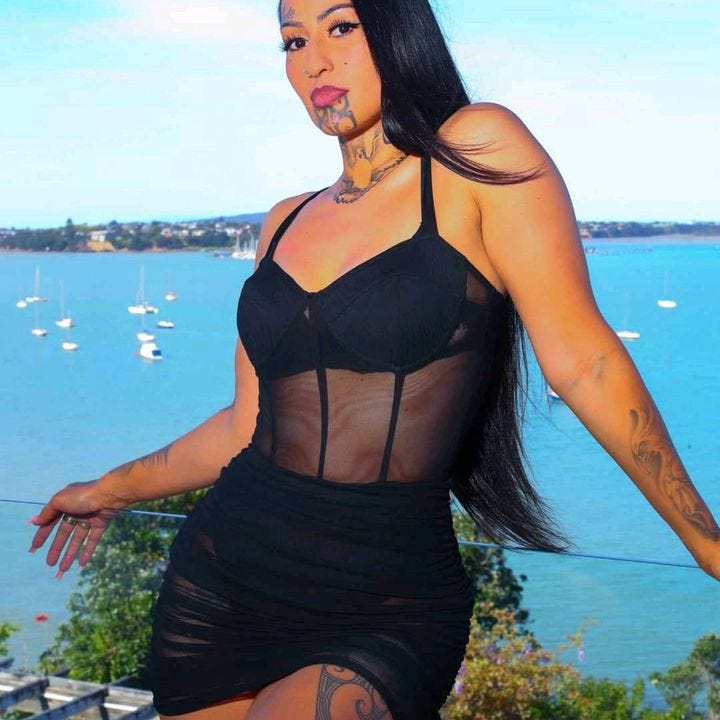
It’s no longer uncommon to see people in iwi leadership circles, or just everyday Māori, sporting moko without having contributed anything of value to their hapū or community – some of these are life-long beneficiaries who rely on the government for absolutely everything. People who have never worked an honest day in their lives. Somewhere along the line, it stopped being a symbol of achievement and became a social media statement. A cultural barcode, signalling not status but conformity to progressive expectations.
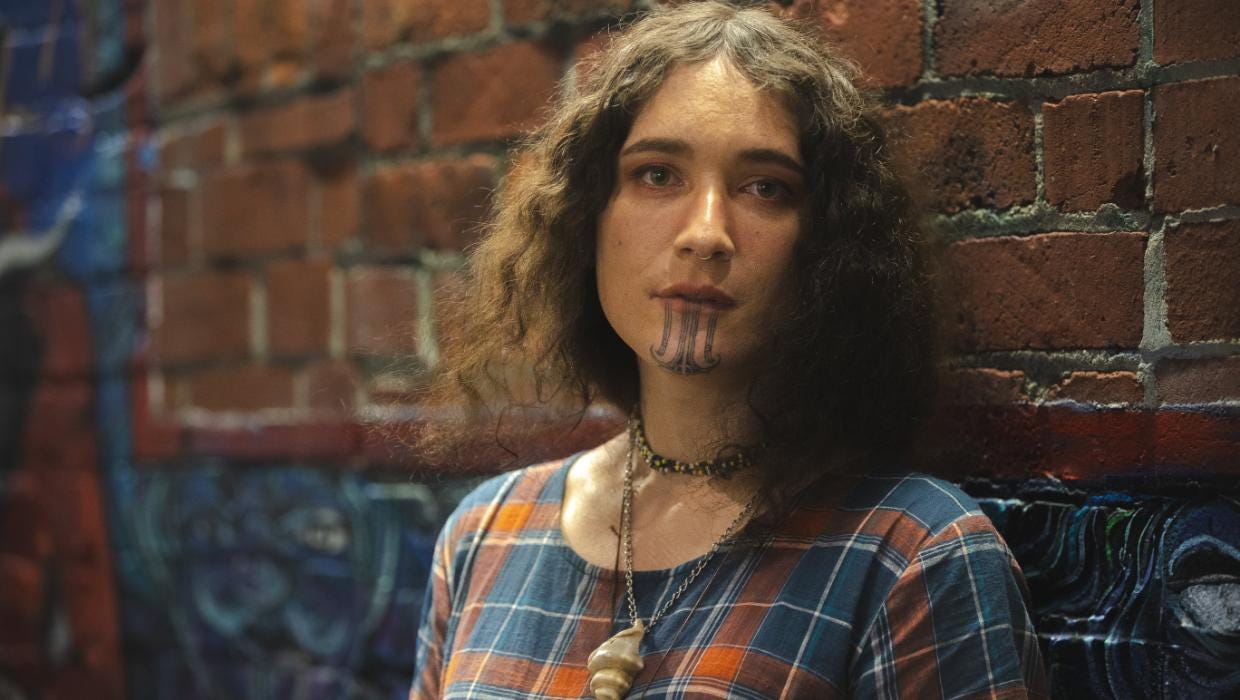
Perhaps the most jarring example is Emmy Rakete, a Marxist from the University of Auckland and a founding member of People Against Prisons Aotearoa. Rakete, a male, wears a moko kauae, a chin tattoo traditionally reserved for wāhine of standing. A hundred years ago, he would have been mocked off the marae. Today, he’s celebrated for his ‘bravery’ in wearing a symbol he has no claim to. If gender confusion wasn’t enough, cultural confusion now completes the picture.
It’s clear. The moko has lost its meaning. What once required discipline, honour and recognition now requires little more than a tattoo machine, a camera, and the right hashtags. We’ve gone from sacred tradition to pop-culture virtue signal in less than a generation.
And when every Hemi, Hone and Hine can get one, what exactly is it worth anymore?
This article was originally published on the author’s Substack.