A formerly free society like Australia slides into tyranny into two ways: slowly, and then all of a sudden.
In 1985, the Hawke government proposal for a government ID card met with a backlash so brutal that it forced a double-dissolution election. Forty years later, another Labor government and a nation sleepwalking into a surveillance state that makes the Hawke ID card seem like sunny, carefree libertarianism by comparison.
There is, after all, nothing quite so permanent as a temporary government power, and nothing quite so voluntary as a scheme that eventually becomes compulsory. Anthony Albanese’s social media age ban was sold as child protection. What it is rapidly becoming is the foundation for a digital identity system that will gatekeep the entire internet.
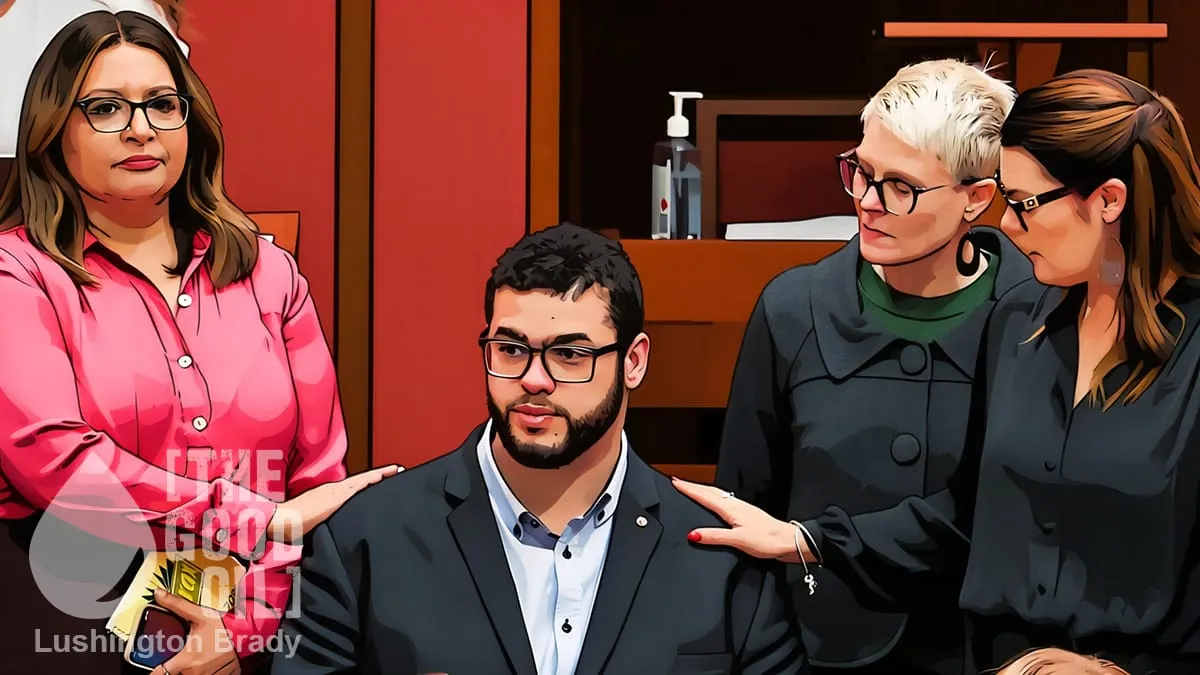
The latest proposal doubles the maximum fine for platforms that fail to keep under-16s off their sites from $49.5 million to $99 million and hands eSafety Commissioner Julie Inman Grant even more coercive powers. She will be able to compel companies, and the third-party age-verification firms they use, to hand over evidence of their compliance. Five platforms are already under investigation. Albanese claims the companies are not “doing enough”.
But for brazen elitist chutzpah nothing holds a candle to Inman-Grant.
Ms Inman Grant recently expressed frustration in the Sydney Morning Herald, and said that the current social media age restriction legislation did not provide her with “potent powers”.
“What I would say is a regulator is only as good as the tools and the resources that they’re given,” she told the newspaper on June 2.
This from the same e-Karen who has been repeatedly slapped down by the courts for exceeding the powers she already possesses, once even arguing that because she had acted beyond her statutory authority she could not be held legally accountable. Does anyone have the least doubt that giving this woman more tools will only encourage her to find new ways to use them against speech she dislikes.
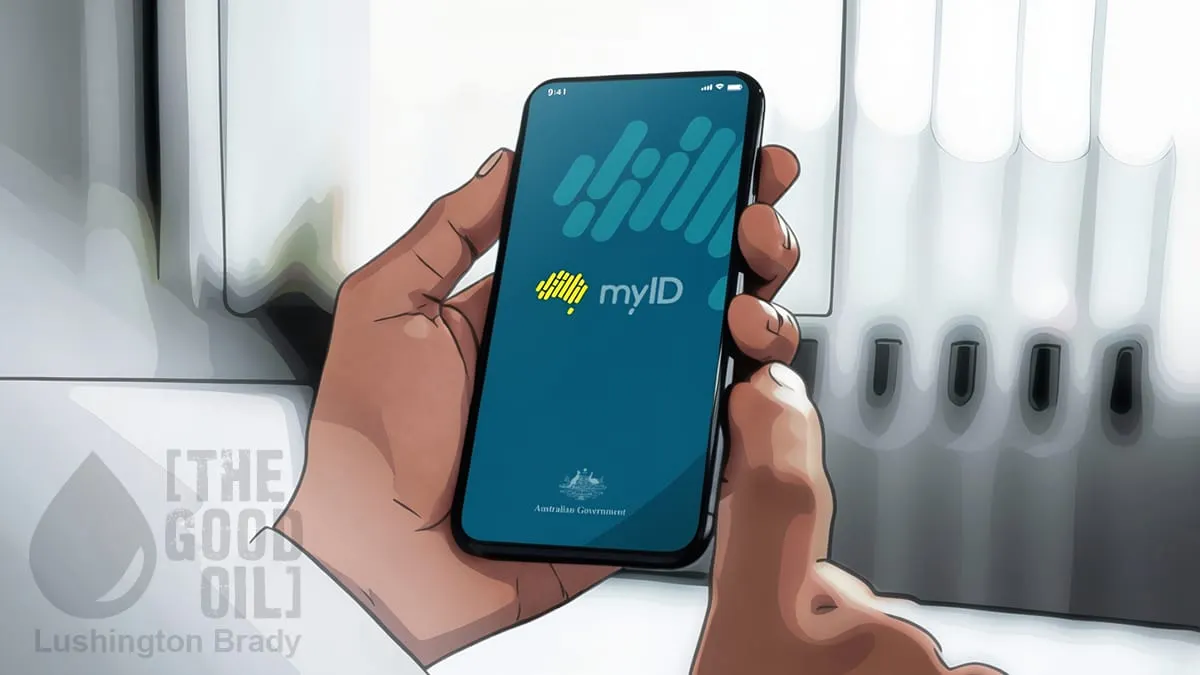
The social media ban was only ever the thin end of the wedge. From 27 December, Google, Microsoft and other major search providers must implement age-assurance technology for logged-in users or face fines of up to $50 million per breach. Methods on the table include credit-card checks, photo ID, facial-age estimation, parental vouching: or digital ID.
It gets worse: much worse.
Australians will soon need to prove their age when logging on to the internet, under sweeping reforms from the Albanese government.
Search results for anyone classified as under 18 will be filtered for pornography, violence, eating disorders and other ‘harmful’ topics. Autocomplete will be censored. Images will be blurred by default. Parental controls will be mandatory.
Oddly, given the rhetoric about ‘protecting children’, notoriously paedophile-ridden platform Bluesky is specifically exempt from the social media ban.
‘I have not seen anything like this anywhere else in the world,’ [Professor Lisa Given, from RMIT’s School of Information Sciences] said.
That’s only because Heinrich Himmler and Mao never had internet access.
The changes affect every user, not just children. History supplies the receipts. MyGov was once ‘optional’, too. Then 10 million Australians discovered they could not access basic government services without it. The Covid vaccine was ‘voluntary’ – except that the unvaccinated were locked out of jobs, travel and public life for months. Digital ID is being sold the same way.
In the UK it is already required to open a bank account, claim social security, start a new job or use government portals. How long before it is required to book a flight, buy medication, shop online or even receive a parcel?
This is not about protecting children’s identities. It is about owning yours.