Table of Contents
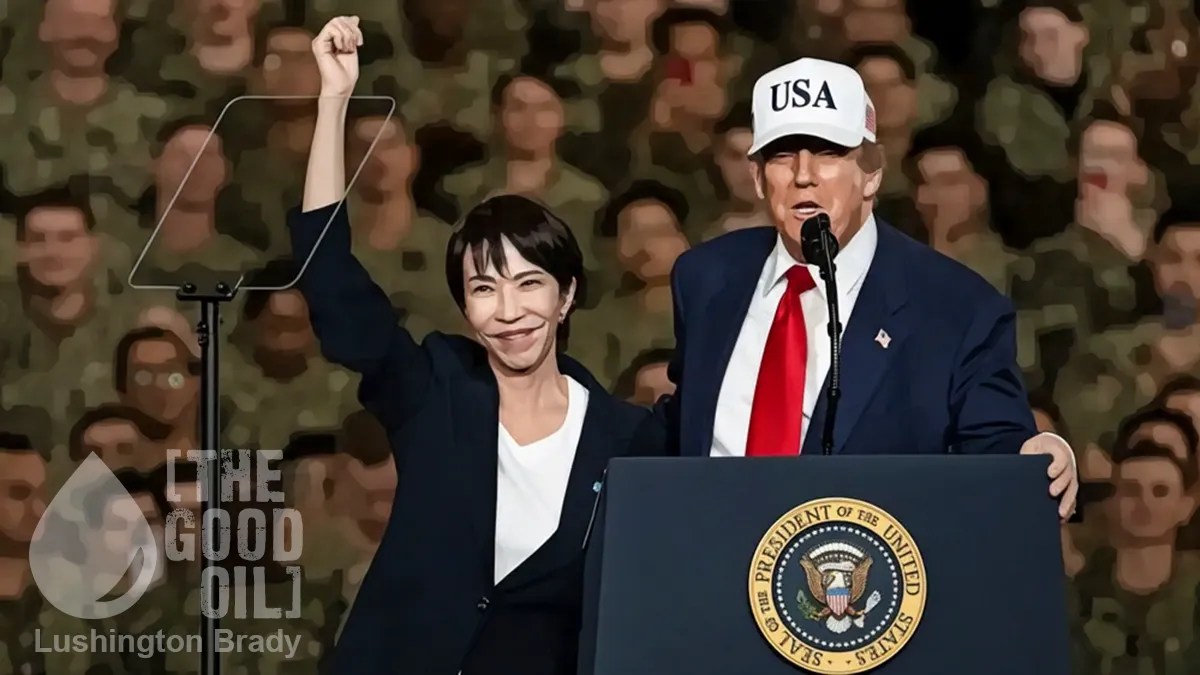
Here they go again, for Japan’s long-suffering voters. Just months after electing their fourth prime minister in five years, Japanese voters are going back to the polls for another snap election. The election will decide the future of Japan’s first female leader, who remains hugely popular even as her party’s fortunes remain dire.
Prime Minister Sanae Takaichi is personally popular with voters, who see her as a breath of fresh air in a moribund political system. But will personal approval at 70 per cent be enough to outweigh the dire 30 per cent approval of the party that has ruled Japan for all but a few years since WWII? Takaichi’s immediate predecessor gambled on a snap election – and lost. Takaichi believes, this time, she’s on a winner to consolidate her shaky rule.
Ms Takaichi believes the election will give her long-ruling but divided Liberal Democratic Party enough seats in the chamber to enable her to ram through a new budget and other measures with a boost from the LDP’s coalition partner, the minor Japan Innovation Party.
Ms Takaichi “to roll the dice on risky, but potentially rewarding, snap election,” headlined the English-language Japan Times on the gamble she’s taking to stop opposition forces from fighting her moves to resolve festering economic issues and increase military strength in the face of rising pressure from Communist China.
“It’s smart of her,” a Columbia University professor, Tom Christensen, tells the Sun. “The LDP was in a very rocky place. Most people say China is bullying us.”
Not unreasonably, given the Chinese government’s recent public threat to “cut off the dirty head” of Takaichi. Beijing was infuriated that a Japanese PM dare speak the simple truth: a belligerent China that invaded Taiwan would be an existential threat to its ancient enemy Japan.
Almost immediately after taking over, Ms. Takaichi got on the wrong side of China by remarking that a Chinese attack on Taiwan would “constitute a situation threatening Japan’s survival.” The inference was that Japan, which ruled Taiwan for 50 years after defeating the Chinese in the Sino-Japanese war in 1895 until Japan’s defeat in World War II, would defend Taiwan against a Chinese attack.
Takaichi, a more hardline conservative than more recent, left-aligned leaders, is also backing Japan in taking a more active role in defence: in part, by dialling back the post-war pacifist constitution.
Although not yet developing nuclear warheads, Japan has stockpiled plutonium and operates 13 nuclear reactors for producing electricity after shutting down all 54 of its reactors following the earthquake and tsunami that flooded the Fukushima power station on the east coast in 2011. Japanese physicists and engineers are believed capable of producing nuclear warheads in three years.
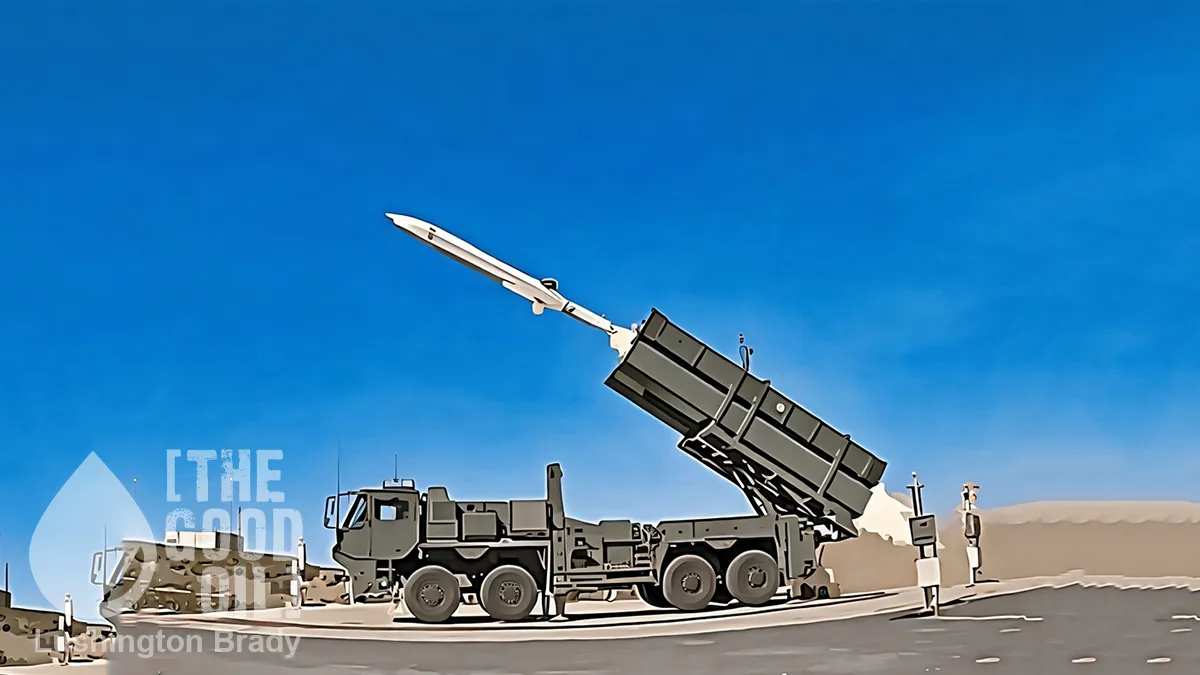
More immediately, Japan is increasing its defense budget to more than $58 billion this year – approaching two percent of its gross domestic product. Although Japan has only about 240,000 troops in its all-volunteer armed forces, they’re believed to be the best trained, best armed in Asia.
For Japan to play a significant role in Asia, however, Ms Takaichi would have to get around the constraint in Article 9 in Japan’s post-war “peace constitution” that bans Japanese troops from waging war beyond Japan’s borders.
Takaichi has stated that, if necessary, she would call a national referendum on Article 9. For the rest of the world, the question becomes whether the need for regional powers to tool up against an increasingly belligerent China outweighs historical alarm about Japan’s military – alarm that China is desperately trying to stoke, even as it beats the war drum itself.