Table of Contents
As Eric D. July observed at the beginning of the COVID-19 lockdowns, “folks with guaranteed jobs are telling people that can’t work they have to be imprisoned in their houses for an indefinite amount of time”. Not one of the people mandating lockdowns and at the stroke of a pen throwing tens of millions of workers out of their jobs and shuttering millions of businesses faced any real repercussion for their decisions.
They had no skin in the game, in Taleb’s phrase.
Worse, they had no experience of the harsh realities of working for a living or running a business. Leaders like Jacinda Ardern have never had anything other than a holiday job and certainly never run a business. Hence their air-headed naivete that economies could be switched on and off at will. Not that conservatives have been much better, as Scott Morrison talked of “hibernating” the economy.
It doesn’t work like that – and, as workers and business owners around the world are beginning to realise, it’s their skin that’s in the politicians’ and technocrats’ game.
And it’s the very poorest workers who are losing the most skin.
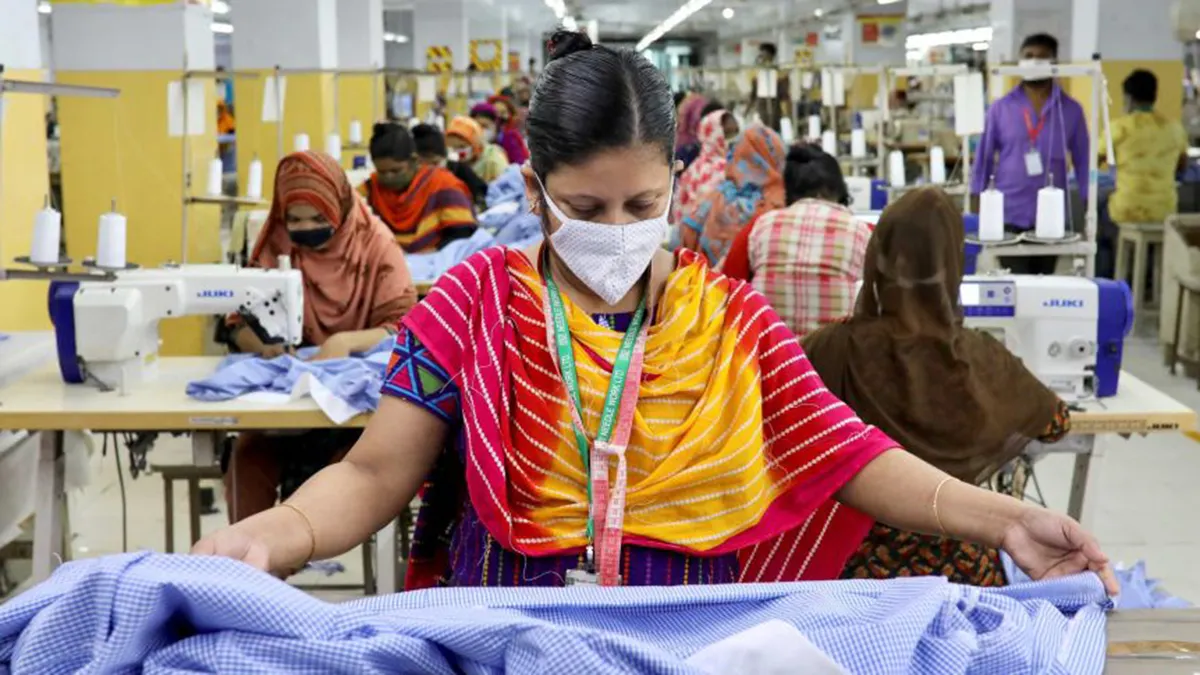
Australian clothing brands are cancelling, delaying payments or asking for big discounts on millions of dollars’ worth of orders from Bangladesh, with potentially catastrophic consequences for the women who make their clothes.
Advocates say some of the world’s lowest-paid garment workers are poised to be the biggest losers, as the industry deals with the “apocalyptic” fallout from COVID-19.
Well, just what did the lockdown cheerleaders think was going to happen? Did they really think that clothing chains with no customers and shuttered storefronts were going to keep on ordering stock that they just can’t sell?
Are they that economically ignorant?
OK, well, we know the answer to that…
But did they stop for an instant to think who was at the end of the concatenation of economic havoc they were wreaking?
Rubana Huq, who is president of BGMEA [the Bangladesh Garment Manufacturers and Exporters Association] — which along with the Worker Rights Consortium is tracking data on the behaviour of brands towards suppliers — described the behaviour of some Australian retailers as “astonishing”.
“We have workers who need to be paid,” she told the ABC[…]
“It’s not possible for us to survive for the next six months without being paid anything, and part payment must come in,” she said[…]
Nazma Akter, a former child garment worker who lobbies for better workplaces and conditions for employees, estimates 50,000 workers have already lost their jobs[…]
Ms Nazma said the vast majority of garment workers were women and they were already living on the brink of poverty.
“First of all, this blame should go to the brand, because when they cancel orders, when they suspend, they are not caring about the workers and suppliers,” she said.
But she said suppliers should also have proper financial systems in place for emergencies like the pandemic.
The despair and anger of Ms Huq and Ms Nazma are completely understandable. But, while retailers must shoulder some blame where they’re trying to pull swifties and short-change impoverished Bangladeshi workers, the fact is that they’re struggling to stay in business, too.
The real blame must be sheeted home to politicians and the unelected technocrats who’ve imposed the lockdowns that are having such disastrous knock-on effects.
When the comfortable elites are parading their virtue on daily propaganda broadcasts, have any of them given an instant’s thought to the real-world consequences of their diktats? Do these supposedly ‘kind’ and ’empathic’ leaders even give a rat’s arse about the workers they’ve tossed on the scrap heap?
If you enjoyed this BFD article please consider sharing it with your friends.