Summarised by Centrist
A prominent Māori legal scholar now says international human rights law is getting in the way of Māori self-governance, because it treats everyone equally.
Associate Professor Andrew Erueti’s new research laments that principles like non-discrimination and one law for all are being used to oppose Māori-specific policies and constitutional claims.
Once a go-to framework for Māori grievance cases, Erueti now calls human rights law a “double-edged sword.” It was useful when defending land claims at the UN, but inconvenient when equality undercuts calls for political transformation at home. “The same principles designed to protect against discrimination are now being used to actually block Māori-led initiatives,” he said.
The underlying issue, according to Erueti, is that the Crown still refuses to share power with Māori tribes.
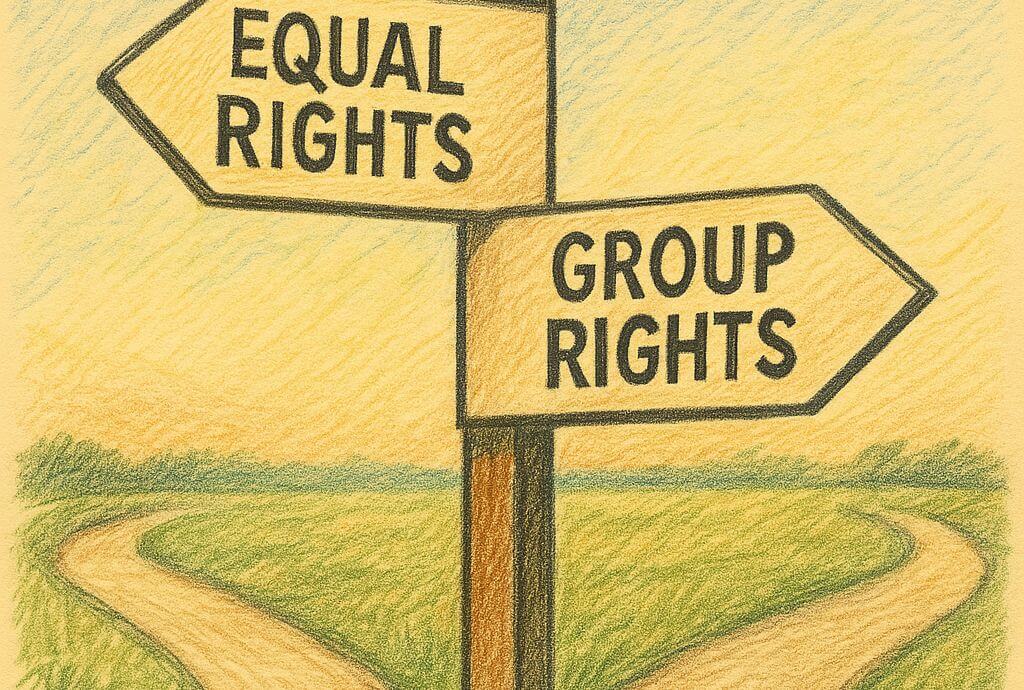
Human rights insists on one law for all, but Erueti argues tino rangatiratanga means shared or separate power for Māori based on collective identity. The two frameworks collide when group-based political authority is claimed in a system built around individual rights. His solution is a decolonisation model — not based on universal equality, but on recognising iwi and hapū as self-governing entities, with separate legal standing based on ancestry.
Initiatives like the Māori Health Authority and tribal service delivery are defended not on performance, but on identity. “Real justice means more than equal treatment,” Erueti argues. “It means being willing to share power.”