Summarised by Centrist
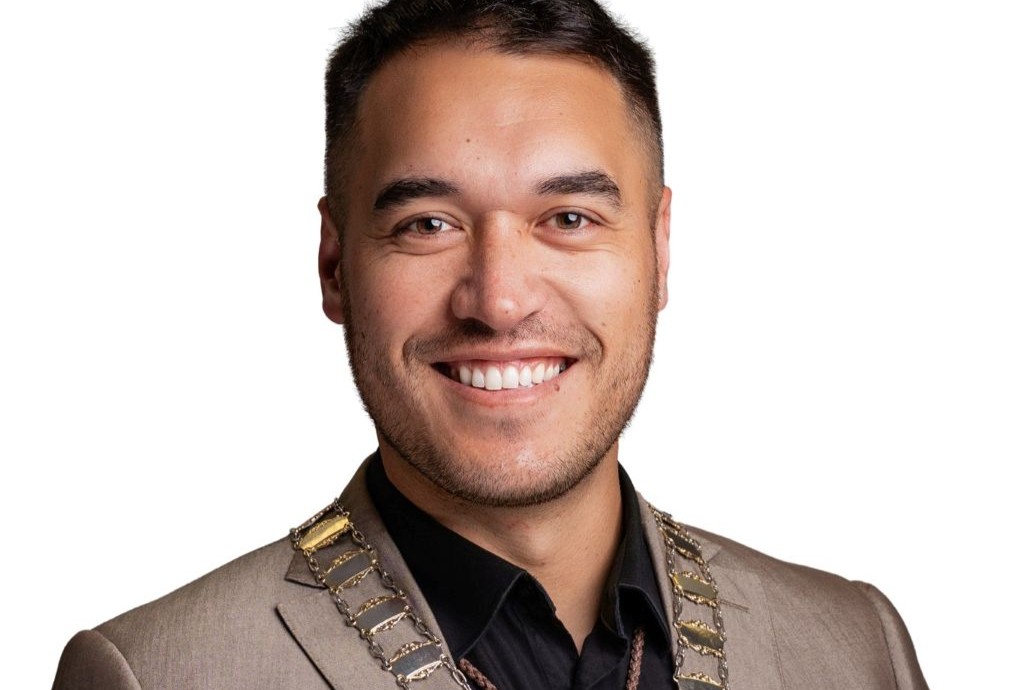
Far North Mayor Moko Tepania moved to defend the council’s Māori liaison committee after it was thrust into the spotlight by Duncan Garner’s interview with councillor Davina Smolders.
Garner said the committee had “15 unelected iwi representatives to six elected councillors”.
However, RNZ reported the proposed makeup was 10 appointed members to six councillors, still leaving unelected appointees outnumbering elected representatives on the committee.
Tepania said the arrangement was lawful and downplayed it as “definitely not something new”, describing it as “a mechanism that allows us to meet our statutory obligations under the Local Government Act, which is to ensure that we include Māori participation in our decision-making”.
He rejected claims it was illegal or undemocratic, saying: “The Local Government Act allows for any council to establish committees and to have non-elected members on those committees.”
He also said the backlash felt like “race baiting” and complained the Far North had been “unfairly targeted”.
The council’s own committee page shows Te Kuaka is designed to strengthen “Te Ao Māori perspectives within council decision-making” and embed “Te Tiriti-based partnerships”.
Smolders did not say the structure was illegal, but maintained it went against “the intent of the law”. She also argued the committee already had four Māori ward councillors, making extra hapū and iwi appointments “an unnecessary double-up”. She said she had made 13 police complaints over threats against her, 11 linked to social media.
Tepania also apologised for emailing Garner “f*** off”, admitting it was not what people expect from a mayor. Simon Watts, meanwhile, refused to step in, saying “it’s not for Wellington to go intervene every time they do something I don’t personally agree with”.
Editor’s note: Te Kuaka does not appear to hold final decision-making power. Its role is to advise and recommend to the full council, which retains the final say on key decisions. Smolders’ objection is about the weight given to unelected appointees within a formal council committee. Her challenge to that structure has also unfolded amid claims of bullying, intimidation and online threats.