Table of Contents
Summarised by Centrist
According to Police Minister Mark Mitchell, the Policing Amendment Bill, introduced to Parliament at short notice, aims to clarify and extend police powers to collect information, detain individuals and restrict access to public areas.
The bill, following legal rulings that narrowed officers’ ability to photograph and record individuals in public, will continue to be debated through the select committee process.
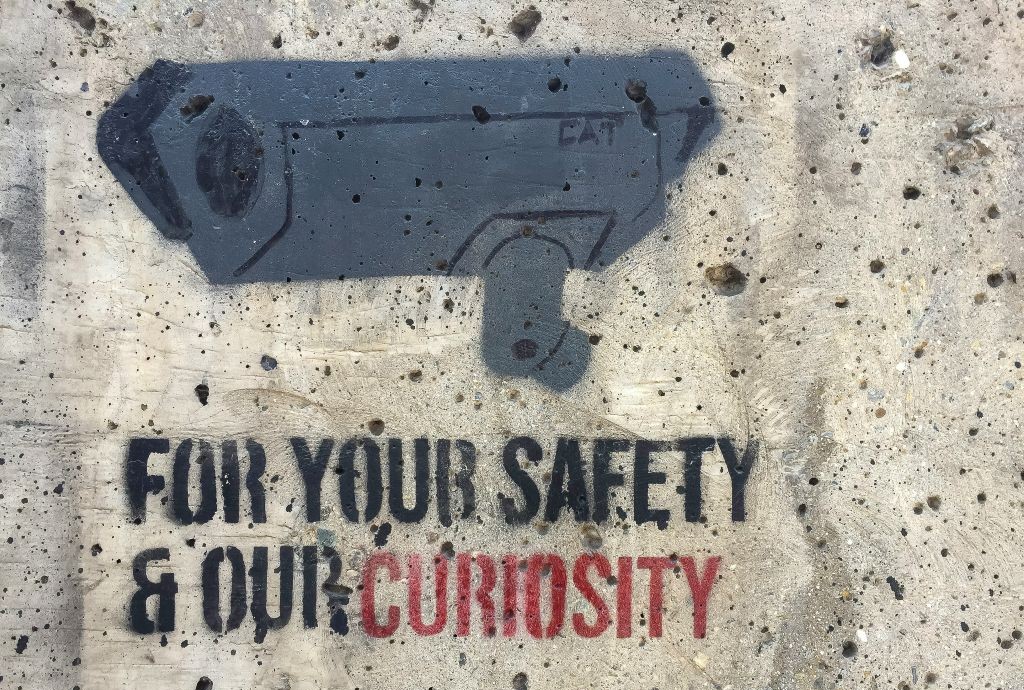
Mitchell told Parliament the bill would not create mechanisms for “mass surveillance of the New Zealand public.”
The legislation would allow police to record short live videos in public where justified and broaden intelligence-gathering powers to collect and use images, audio and other information for lawful policing purposes. ACT MP Todd Stephenson offered conditional support, stating it must include “strong privacy protections and safeguards against mass surveillance powers.”
Privacy Commissioner Michael Webster said the bill sets a “low bar” for collecting personal information and could have a “chilling effect on people’s civil and political rights.”
Law professor Scott Optican warned vague definitions may lead to ongoing court challenges, while the Justice Ministry recommended additional safeguards that were ultimately not adopted.
The bill’s second part would expand police authority to close off public areas where disorder is believed to be imminent, impose fines of up to $1,000, and detain or charge individuals who refuse to comply. It would also extend temporary closure powers beyond vehicle-related offences to a broader range of public safety situations.
The bill was introduced with limited consultation and will now be examined by a select committee, with a report back to Parliament due by 27 July.