Table of Contents
Summarised by Centrist
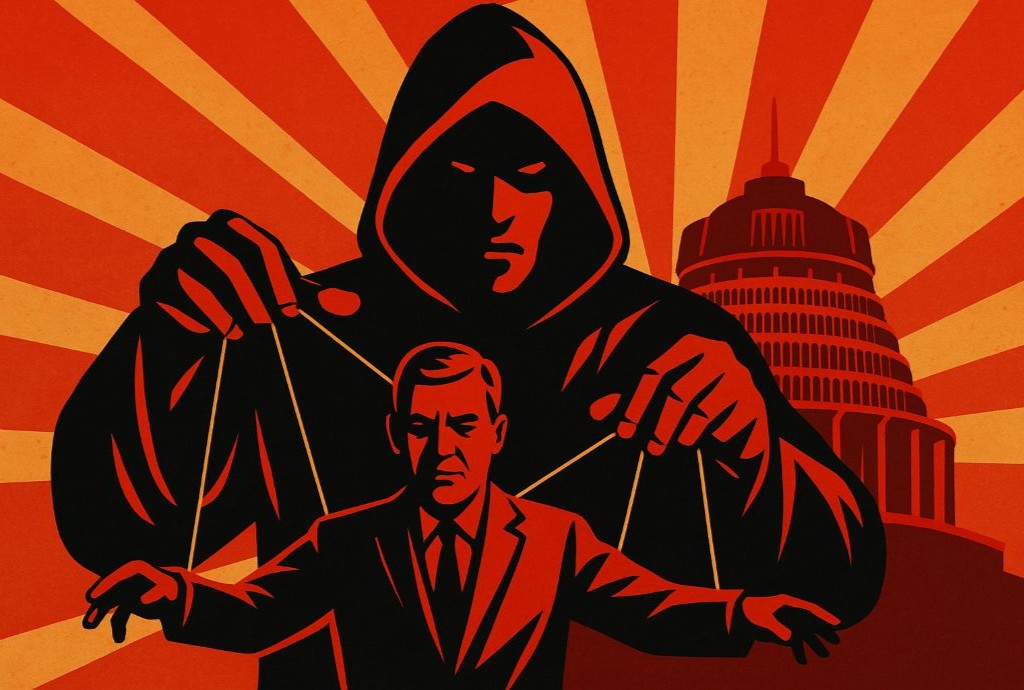
Former MP Dr Muriel Newman says government departments are defying coalition policy by continuing to prioritise Māori names and cultural frameworks, revealing what she calls a “deep state” within the public service.
Newman argues that “unelected bureaucrats” are pursuing ideological agendas rather than carrying out the government’s democratic mandate.
She points to Land Information New Zealand, which still leads with its Māori name Toitū Te Whenua despite a 2023 coalition directive that English titles take precedence. When challenged, the agency reportedly replied it would “remain committed to promoting” te reo Māori unless told otherwise.
Newman links this resistance to Nanaia Mahuta’s Maihi Karauna Māori language strategy, still guiding the public sector because the coalition has not replaced it.
Newman writes, “in New Zealand the adoption of a bicultural framework gave political weight to ethnic identity, elevating Māori ethnicity into its own political class with distinct rights and status.”
She describes how co-governance, iwi consultation, and the judicial expansion of “tikanga” have eroded equal representation. The same dynamic, she says, has captured cultural institutions such as Te Papa, where “spiritual beliefs now sit alongside scientific knowledge” in what she calls a “postmodernist” rewriting of history.
Newman warns that “doing nothing is no longer an option.”
“Since no nation prospers when its people are divided,” she concludes, “it is time to take our country back.”