Summarised by Centrist
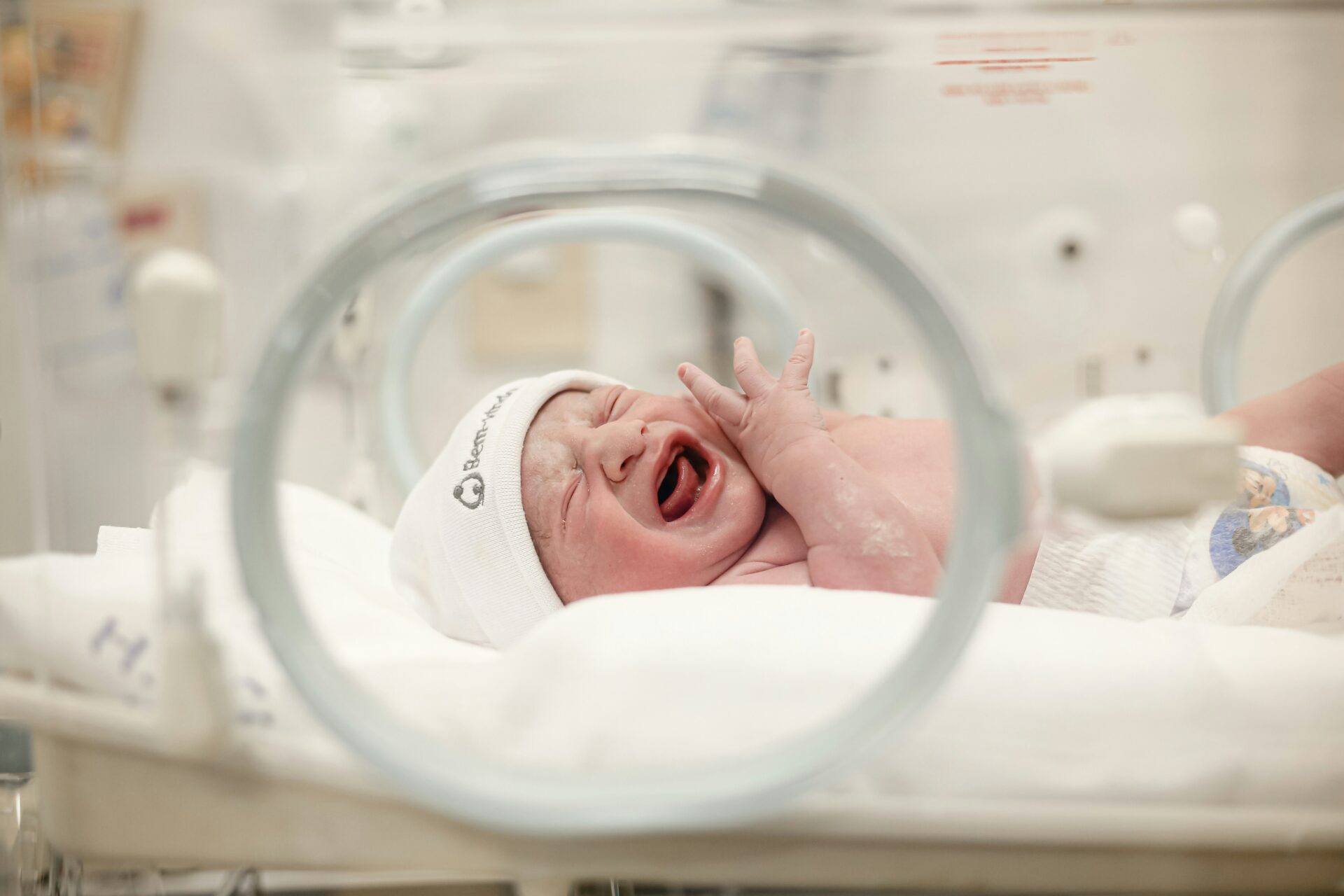
New Zealand is not having enough children to replace its population naturally over time. Its fertility rate has fallen again, with 57,027 live births registered in the year to March 2026, down from 58,539 a year earlier.
Stats NZ says the total fertility rate fell from 1.58 to 1.53 births per woman, while deaths rose slightly from 37,647 to 37,821. Infant mortality improved, falling from 6.0 to 5.2 deaths per 1,000 live births.
A separate Stats NZ release shows the estimated Māori ethnic population was 932,200 as at 30 June 2025, making up 17.5 per cent of the national population. The Māori ethnic population grew by 10,800 in the June 2025 year, or 1.2 per cent, compared with 0.6 per cent for the total New Zealand population.
Stats NZ says Māori population growth included a natural increase of 12,200, partly offset by net migration of minus 5,400. The estimate also included net inter-ethnic mobility of 3,900, meaning more people changed their ethnic identification to include Māori than stopped including Māori.
The Māori population’s median age was 28.5 for females and 26.5 for males identifying as Māori, compared with 39.1 and 37.4 for the total New Zealand population.
Separate Stats NZ population figures released this week showed net migration accounted for 56 per cent of New Zealand’s annual population growth.
Editor’s note: Demographic reporting can easily become framed as an ethnic competition when falling national fertility rates are placed alongside rising Māori population figures without proper context. The measures are not directly comparable. New Zealand’s fertility rate is based on births per woman across the total population, while Māori population estimates also include migration, age structure and “inter-ethnic mobility”, where people change whether Māori is included in their ethnic identification.
Centrist opposes reducing population trends to racial narratives or demographic scorekeeping.