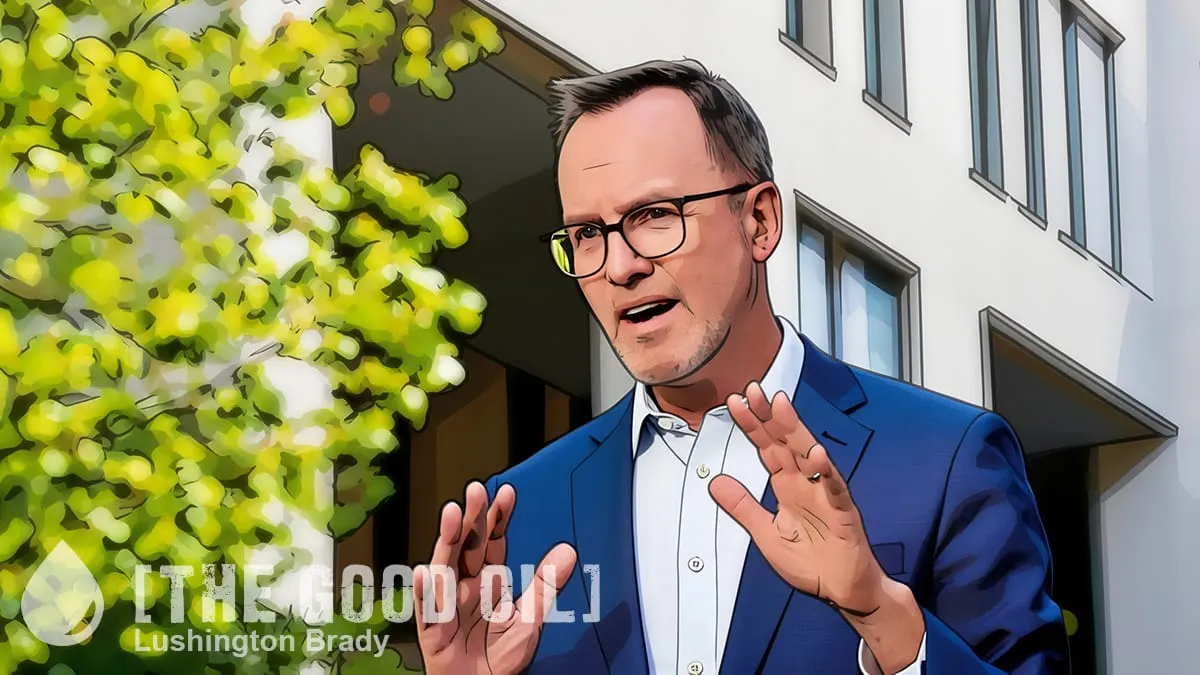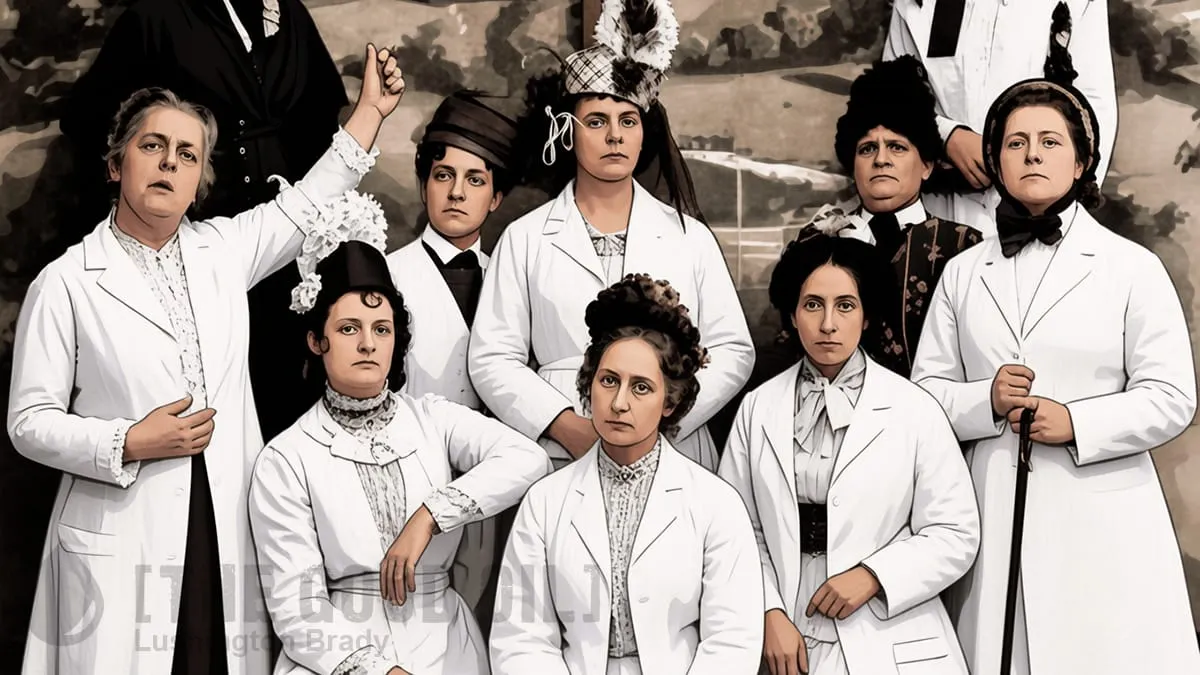
When it comes to joyless Fun Police, the state-funded medical bureaucracy makes the Baptists look like frat boys on Spring Break. These joyless prigs in their starched-up, button-down, spotless lab coats are like C S Lewis’s apocryphal schoolboy’s God: “always snooping around to see if anyone is enjoying himself and then trying to stop it”.
There’s nothing that escapes their inquisitorial scrutiny: tobacco, meat, sugar, fat, sunshine… you name it, they want you to stop it. Especially alcohol. Hoo, boy, do they hate the demon drink. The cat’s-bum-mouthed hags of the Temperance movement were an Oktoberfest knees-up by comparison.
Blame it on the anti-smoking crusade. While it was undoubtedly one of the public health triumphs of the past century, it also gave the bureaucratic empire-builders a taste of not just taxpayers’ money, but the sweet, sweet intoxication of unelected power. Once the War of Smoking was all over bar the shouting, they faced the same existential crisis every activist eventually does: what to do when the ‘war’ is won.
Normal people would move on and get a real job. But these are people who tend to have the charm of pre-stressed concrete. Bedside manner is not their forte, which puts lucrative private practice out of their reach. The only way they’re going pay for that BMW all their medico friends are driving is to find new ways to bilk the taxpayer.
The biggest problem these charmless men and women have is their basic inability to grasp the concept of fun.
A new body of research is kicking against the pricks in public health by telling them to sit down, shut up and let people have a little bit of fun for once.
In early 2025 two academics, James Nicholls and Geoffrey Hunt, published a paper in the journal Addiction with the almost revolutionary title Taking Pleasure Seriously: Should Alcohol Research Say More about Fun? Their modest suggestion was that you cannot sensibly lecture people about the health risks of drinking while pretending the entire point of the exercise – pleasure – does not exist.
The paper argues that you can’t really dictate to people the potential health risks of drinking without taking into consideration the pleasure factor in the consumption of alcohol. In short, don’t preach about the health side of the debate without trying to understand the innumerable (and often complex) reasons people like to drink in the first place.
I once had a Boomer relative try to tell me that his lifelong weed-chuffing habit was ‘because of childhood trauma’. Bollocks, I thought to myself: you used it because all your friends were and you just liked it. And that’s fine: just be honest.
“Alcohol research has a problem with pleasure,” the paper begins. “On the one hand, pleasure is a difficult phenomenon to research, at least from an epidemiological or clinical perspective.
“On the other, because of its predominating focus on harms, public health‐oriented alcohol research and advocacy can appear to find pleasure problematic in the moral sense. Although most people drink because they enjoy it, much public health discourse downplays pleasure as either marginally significant or as a kind of misperception driven by external forces including marketing, custom, social norms and peer pressure.”
Public-health discourse treats enjoyment as either marginally significant or as a kind of mass delusion induced by marketing and peer pressure. Most people, the authors noted with dangerous commonsense, drink because they like it. Ignoring that basic fact makes the research incomplete, the ethics questionable and the messaging easy for the alcohol industry to dismiss.
Two British academics, James Morris and Emma Davies, were swift to publish a response to Nicholls and Hunt, also in the journal Addiction, called “No Safe Level” Advocates Must Take Note, agreeing with their colleagues. They wrote: “In addition to overlooking pleasure in drinking, ‘no safe level’ messaging may also reinforce the general perception that abstinence is the only acceptable goal. Indeed, abstinence can be perceived as threatening to drinkers and result in resistance or even the stigmatisation of non‐drinkers.”
The public seems to be getting the message anyway. In the United States the proportion of adults who drink has fallen to its lowest level in 90 years. Young Australians are following suit. Restaurants, pubs and clubs are feeling the pinch and cultural institutions that once relied on alcohol-industry sponsorship are tightening belts. The medical establishment still holds the loudest megaphone, and its warnings about cancer risk and “no safe amount” continue to cut through. Voices pointing out that human beings have always valued the social and sensory pleasures of a drink remain largely ignored.
The result is a growing market in increasingly desperate substitutes: multi-storey ‘house party’ bars with 1970s carpet and red plastic cups, replica prison cells where you drink in overalls, ball pits for adults. Speakeasies, they clearly are not. One is almost tempted to ask whether a civilisation that replaces a quiet pint with supervised soft-play is altogether an improvement.
The Fun Police will, of course, continue to insist that any pleasure involving risk is illegitimate. The rest of us might reasonably reply that a life stripped of every short-term, imperfect, companionable enjoyment is not necessarily a life better lived, or even worth living.
Sometimes the most radical public-health intervention is simply to leave people alone.
But where’s the sweet, sweet government funding and unelected power-grab potential, in that?


![Marvellous Melbourne’s Big Day of Diversity [Updated]](https://storage.ghost.io/c/31/f4/31f4e20a-0315-499e-83ff-139e8eab53bf/content/images/size/w1304/format/webp/2026/10/The_GoodOil_YogiThemAgain.jpg)