Table of Contents
Summarised by Centrist
Foreign Minister Winston Peters has welcomed the announcement of the first phase of a US-led peace deal between Israel and Hamas, describing it as “a positive first step in bringing suffering to an end.”
“Over the past two years, both Israelis and Palestinians have suffered immensely,” Peters said, commending the diplomatic efforts of the United States, Egypt, Qatar and Türkiye. “We said in New York two weeks ago that countries with leverage over the situation needed to step up and show leadership. We commend them for doing just that.”
The deal, which includes the release of hostages and an agreed Israeli withdrawal line, marks the most significant development in the conflict since fighting began in 2023.
Peters said the parties must now deliver on their promises: “Hamas needs to release all of the hostages and Israel must withdraw their troops to the agreed-upon line.”
In a pointed remark, Peters noted that “there has been a lot of protest in New Zealand over the past two years relating to the situation in Gaza,” adding that the government now looked forward to those same protestors and their political allies “joining in applauding the deal that has been struck.”
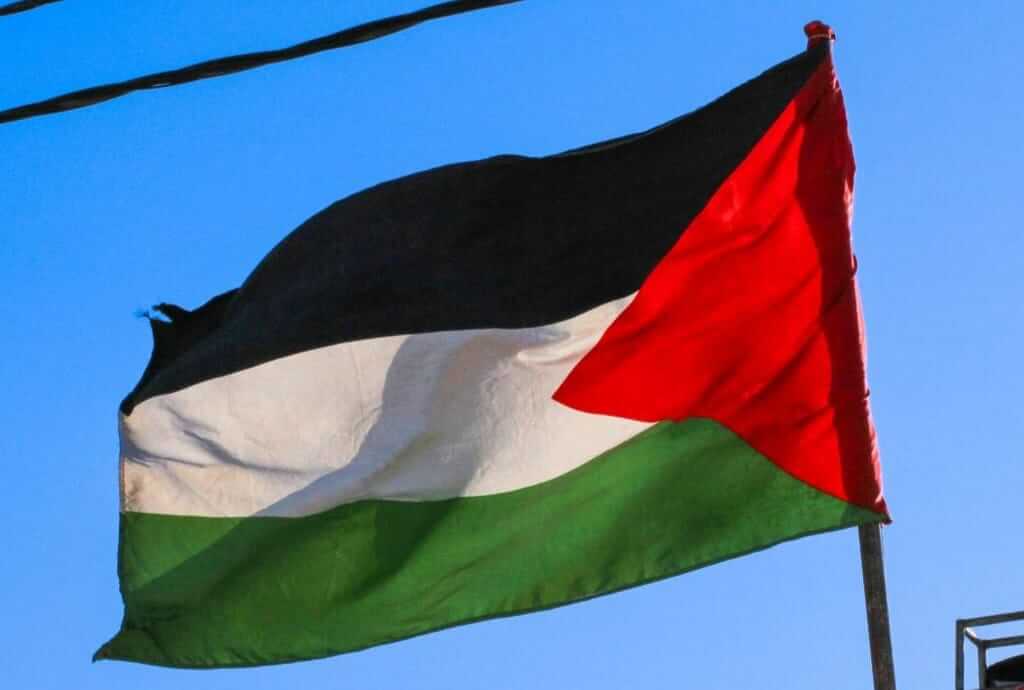
Editor’s note: The announcement follows months of criticism of Peters by Green, Labour and Te Pāti Māori MPs over his refusal to recognise Palestine as a state. His approach, condemning Israeli excesses while demanding accountability from Hamas, has arguably been vindicated by a US-brokered peace deal that mirrors his earlier calls for mutual restraint.
None of the left-aligned parties that led protests over Gaza have yet commented on the agreement, despite the breakthrough they had long demanded.