Table of Contents
Gerry
Two Shakes of a Lamb’s Tail
Instantly or very speedily
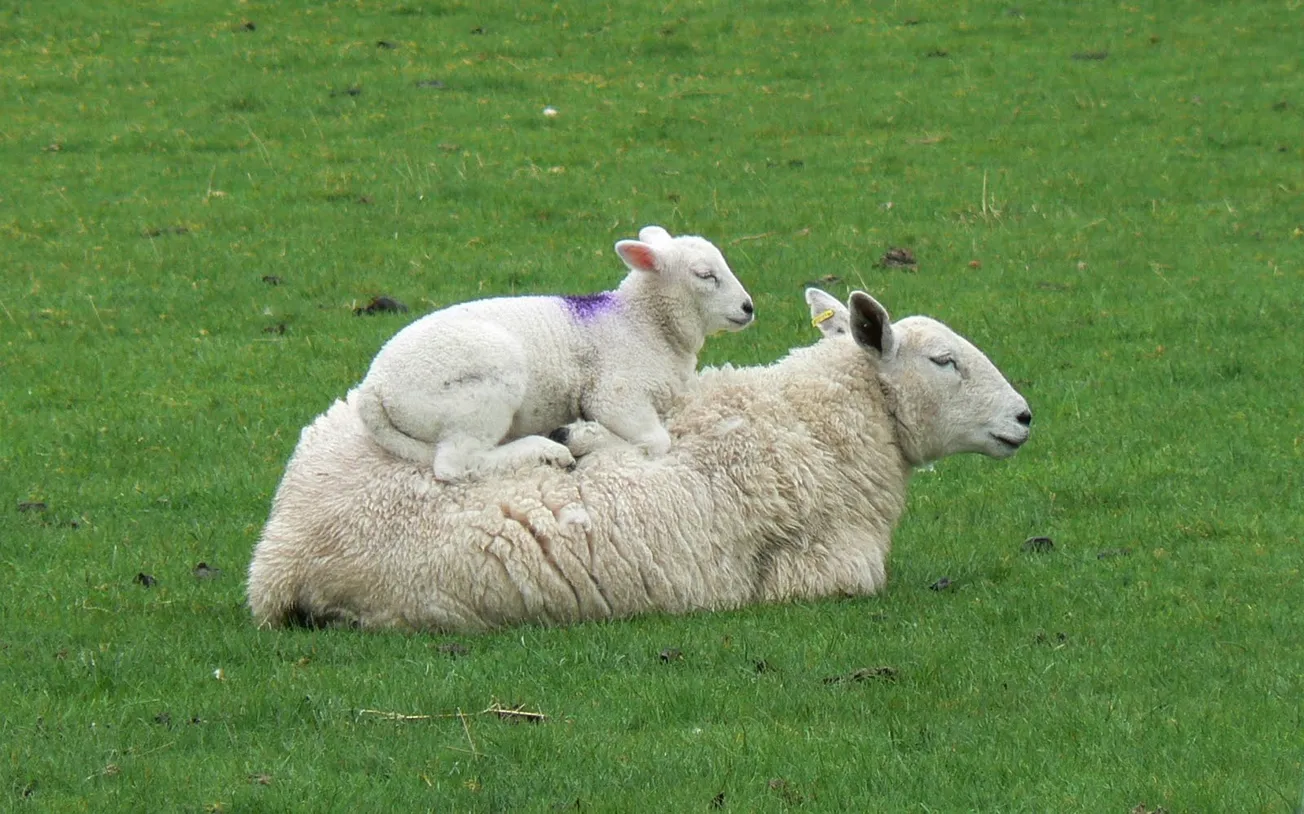
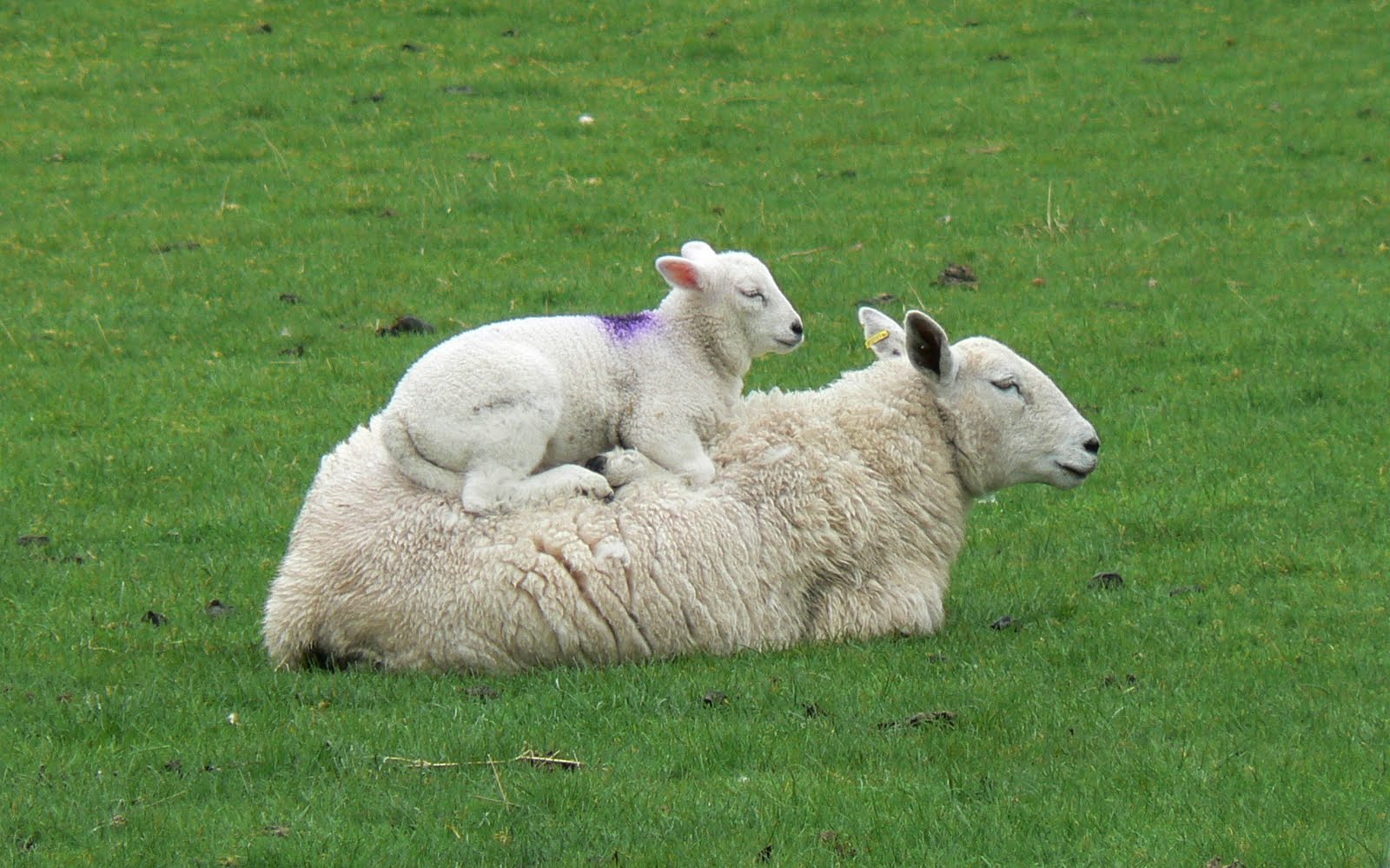
Lambs have been long known as frisky animals, prancing and dancing around the paddock—at least, that is, until they lose their tails! In my Dictionary of Cliches, I find that recorded use of the phrase dates from the early nineteenth century and appears to have originated in America.
In Huckleberry Finn, the author Mark Twain changed the expression to “three shakes of a lamb’s tail” which suggests the expression was already well known. The oldest documented usage of the phrase “two shakes of a lamb’s tail” can be found in the compiled works of Richard Harris Barham called The Ingoldsby Legends (1840) and while it is obviously much older than that, its etymology is unknown.
Grammarist gives a longer definition and also alludes to the diminution of the phrase to the expression ‘in two shakes’, meaning to be done immediately and in more common use today than the full expression. The phrase also gives rise to other idiomatic terms such as to do something ‘in two shakes of a dead lamb’s tail’ meaning that something will not be done at all, as dead lambs naturally don’t shake their tails. This expression appears even older than “two shakes of a lamb’s tail“.
While both versions, alive and dead, were in common usage until the mid-20th century, they are now more or less obsolete and falling into rare use being replaced with the more common argot, ‘two shakes’ as in “I’ll get something done in two shakes.”
For the literary minded all three of these expressions are called prepositional phrases in that they start with the word ‘In’.
Interestingly, the phrase implies a ‘shake’ is a unit of time, in that a lamb can shake its tail very quickly. This concept found its way into the Manhattan project during the manufacture of the atomic bomb when the term ‘shake’ was used to measure an exceedingly small period of time. In this case a shake became an informal metric unit of time equal to 10 nanoseconds, or 10-8
second. It has applications in nuclear physics, helping to conveniently express the timing of various events in a nuclear reaction, particularly neutron reactions. The typical time required for one step in the chain reaction (i.e. the typical time for each neutron to cause a fission event, which releases more neutrons) is of the order of one shake, with a chain reaction typically complete by 50 to 100 shakes.
It is also used in integrated circuit technology since signal progression on IC chips is very rapid, of the order on nanoseconds, so a ‘shake’ is a good measure of the speed a signal can pass through a circuit.
So from an old phrase using the metaphor of the time it takes a lamb to shake its tail to modern measurements of things that are very fast indeed.
And although I promised this morning, I’d make the coffee in a couple of shakes, I guess it will take me a lot longer than a few nanoseconds.
Please share this BFD article so others can discover The BFD.