Summarised by Centrist
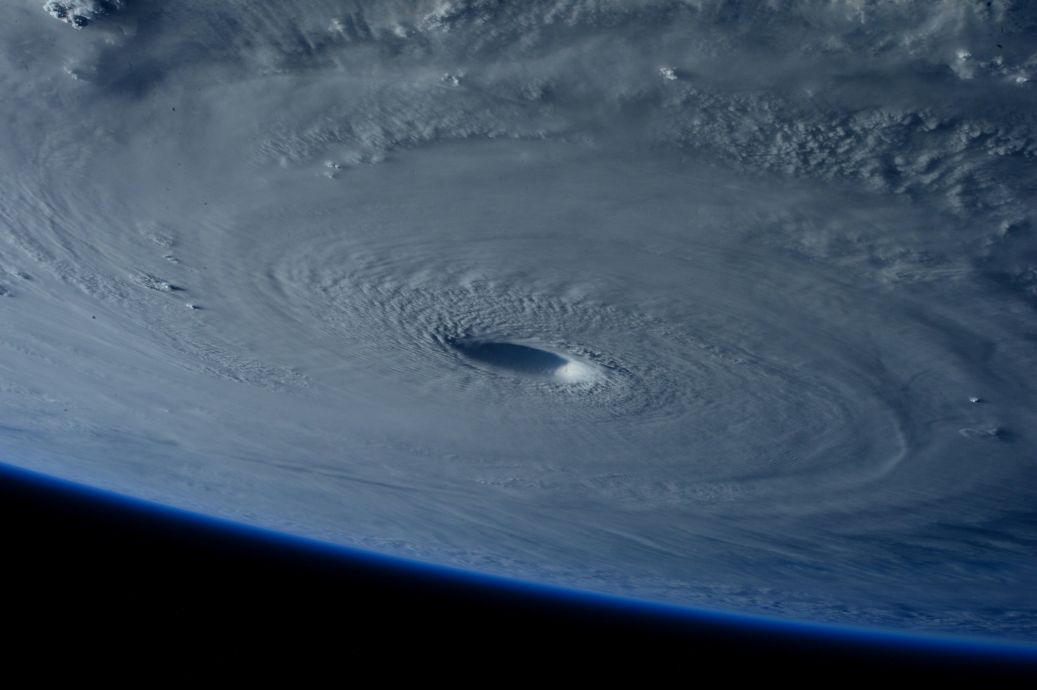
A new study has proposed using advanced cloud-seeding, real-time data and AI to “nudge” extreme weather events such as hurricanes, despite major doubts over whether humans can control weather systems at that scale.
The study, published in PLOS Water, argues traditional defences such as dams, levees and insurance may not be enough to deal with worsening weather extremes.
The authors suggest carefully timed interventions days before a major event could shift or reduce its impact.
They claim such an approach might have shifted Superstorm Sandy’s 2012 path by about 300 miles, raised temperatures during the 2021 Texas freeze and reduced rainfall from a 2022 California atmospheric river.
The idea is based on using cloud-seeding or another future delivery method, combined with dense observations, near-real-time data and AI models to identify where a “nudge” might work.
Study co-author Upmanu Lall compared the idea to jiu-jitsu, saying small interventions could use leverage and momentum rather than brute force.
But critics say the proposal is speculative.
Katja Friedrich, from the University of Colorado, told USA Today there is “currently NO scientific evidence” that existing cloud-seeding technology can modify large-scale systems such as hurricanes or thunderstorms.
Other experts warned that even if humans could shift storms, the legal and political consequences would be immense.
Saving one city from a hurricane could put another region in danger, raising obvious questions about who decides where a storm should go.
Lall said the authors were focused for now on the science and engineering, while recognising ethical and control issues.
Cloud-seeding itself remains controversial. It is used in some places to increase rainfall or suppress hail. It has also become a focus of weather-control theories after major disasters.