
How to Hide a Truth in Plain Process
There are no secrets, but, if there were, no one knows anything about them. And this is the point. This is how secrecy works in a modern process organisation.
There are no secrets, but, if there were, no one knows anything about them. And this is the point. This is how secrecy works in a modern process organisation.


Resources Minister Shane Jones has departed for the International Mining and Resources Conference (IMARC) in Sydney, where he will speak about the “resource renaissance” underway in New Zealand, marked by rising interest in gold and other minerals.

As Washington and Beijing exchange economic fire, it is the periphery – Southeast Asia, India, Australasia – that absorbs the blast and finds new room to grow. The new trade map of the 2020s is not drawn along ideological lines but logistical ones.

Many researchers, health professionals and journalists, dependent on pharmaceutical funding or institutional support, have every incentive to avoid pursuing or amplifying questions that could threaten their livelihoods.

It’s a strategic blunder – swapping value-added clout for commodity vulnerability.


In New Zealand, we have gone from a country that produced electricity with internationally competitive pricing, electricity that was available, affordable and was an attractive incentive to new businesses. Now we face unaffordable pricing that is causing business closures.

The moral argument for free markets is backed by solid evidence.

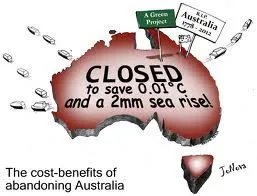
Energy costs are rising so fast in Australia, it’s less expensive to dig up rocks, put them on ships, and send them 6,000 kilometers to China to smelt the steel with our own coal, and then ship the widgets right back to us.

The ban will no doubt be a windfall for some. But for millions of Nigerians, it could be devastating.

This moment is devastating for the traditional medical establishment and for the pharmaceutical industry. It validates the growing suspicion that profit often outweighs public good and raises a larger question: what other risks remain hidden.


When bank capital requirements are excessive, the real victims are New Zealand borrowers. The banks themselves will adapt. But borrowers will face higher costs and constrained credit.