

Tikanga on Trial
If the rule of law is to mean anything in this country, the creeping judicial elevation of tikanga must be dismantled. The integrity of our legal order, and the equality of every New Zealander before the law, depends on it.
If the rule of law is to mean anything in this country, the creeping judicial elevation of tikanga must be dismantled. The integrity of our legal order, and the equality of every New Zealander before the law, depends on it.

St Patrick’s day under siege by multicultural rebranding.

From Dublin to Sydney, these pioneers laboured in obscurity.
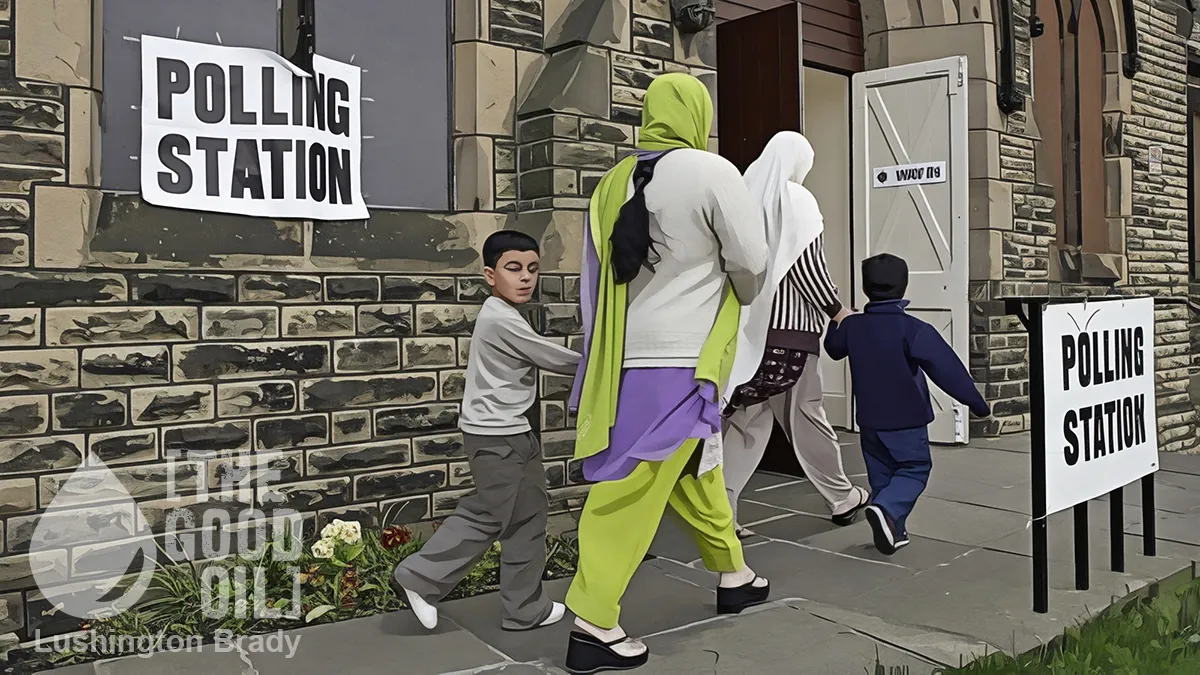
‘Cultural sensitivity’ is no justification for voter fraud.
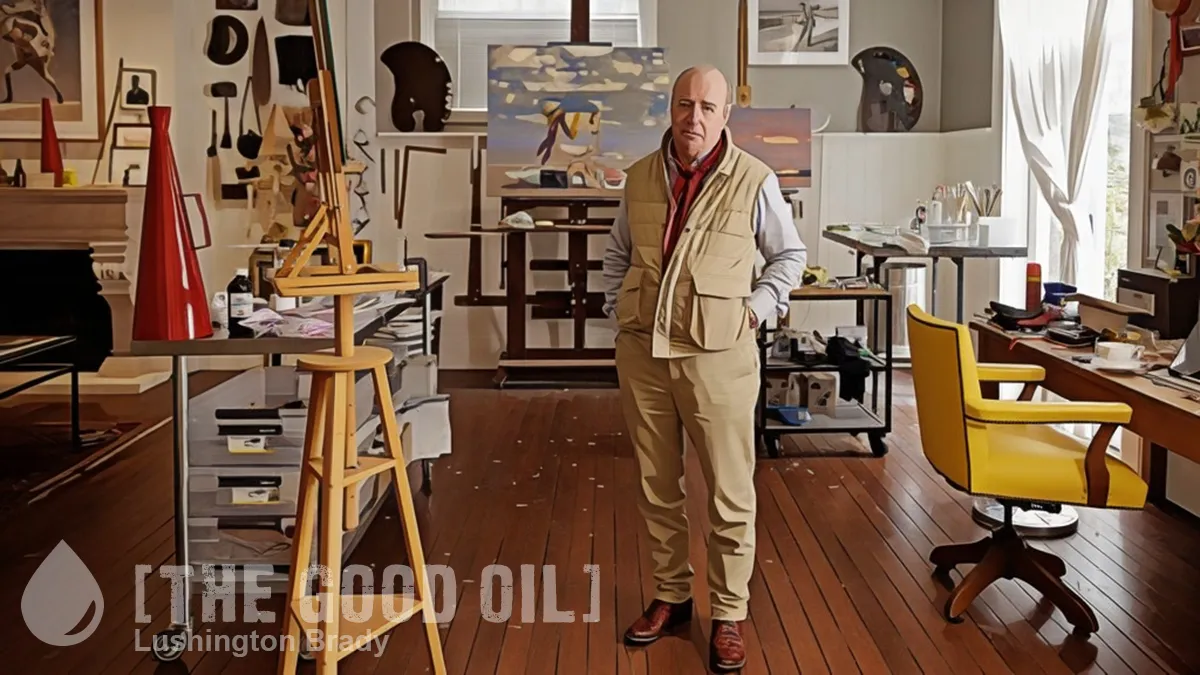
The arts establishment is anti-Semitic, root and branch.

We are not required to hate our own country to understand its past. And we are certainly not obliged to pretend that history ends in grievance rather than citizenship under a common law.

How HG Wells accidentally predicted the West’s growing submission in the face of radical Islam.

Claims that Māori as a group are underprivileged/improperly treated must be statistically inaccurate. This follows because the statistics that underpin these claims encompass results from all of those who are described in the census as being of “Māori descent”.

Diametrically opposed? US Secretary of State Rubio talks peace at Munich Security conference while Judith Collins doubles down on NZ's support for the Ukraine war.
His strange compulsion to tell porkies about the war.

In the face of this report, the best response the government could make is to defund the Salvation Army for being part of the problem.

Oranga Tamariki and Ministry for the Environment have race-based leave entitlements.

It’s precisely because cousin marriage is less common now that the problems it causes have become more conspicuous in Britain or other places among those accustomed to perpetuating the practice.

In just a few days, many Christians will be celebrating Ash Wednesday, and we will hear the words “Meménto, homo, quia pulvis es, et in púlverem revertéris”.

We’ll miss the Silent Generation and the world they made.