

Who Moves From Welfare to Super?
Welfare is like an iceberg. The visible tip gets all the attention – the young and unemployed. But below the surface is a very large group of people for whom welfare is a way of life – whether they chose it or not.
Welfare is like an iceberg. The visible tip gets all the attention – the young and unemployed. But below the surface is a very large group of people for whom welfare is a way of life – whether they chose it or not.


Or are young moderns looking through rose-tinted spectacles of high expectations?

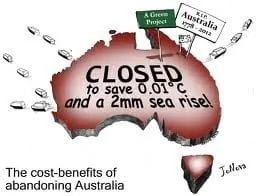
Energy costs are rising so fast in Australia, it’s less expensive to dig up rocks, put them on ships, and send them 6,000 kilometers to China to smelt the steel with our own coal, and then ship the widgets right back to us.

$100,000 total from the rates take. It’s basically a catered chinwag between neighbours that they call an assembly. And guess what? They couldn’t come up with a consensus on where to put the pool.

The ban will no doubt be a windfall for some. But for millions of Nigerians, it could be devastating.

As policies go, it’s a plus, but barely positive and would rate a one out of 10 in the overall need for real welfare reform.

By the time the current government took office, the stagflationary spiral was already well underway.

When bank capital requirements are excessive, the real victims are New Zealand borrowers. The banks themselves will adapt. But borrowers will face higher costs and constrained credit.

I urge him take some advice because this government is seriously in need of a change of direction. His personal poll rating should be giving him pause for thought and a rethink on his own performance. The government is suffering because of it.


You don’t fight poverty by punishing wealth.

It’s not likely to even be a fraction close to $1.6 trillion dollars due to property prices crashing. Sorry kids. If I were a cynic I would call this a lame attempt by a fund manager to drum up more business.

From what I have seen professionally, the majority of children classed as autistic are not autistic. This has made me incandescent with rage, as it should the entire medical and political establishment.

Wealth only has long-term value when it is combined with the entrepreneur’s knowledge, skills, time, risk-taking, and co-ordination.