
Te Pāti Māori weighs no-list strategy that could reshape Parliament
Te Pāti Māori is considering an election tactic that could affect the balance of Parliament even if its nationwide party vote remains very small: not submitting a party list at all.
Te Pāti Māori is considering an election tactic that could affect the balance of Parliament even if its nationwide party vote remains very small: not submitting a party list at all.
A survey reported by RNZ as showing that almost two-thirds of New Zealanders are willing to pay more tax for better healthcare found only 12.4% unconditionally agreed to pay more.
MBIE chief executive Nic Blakeley has kept his job after the ministry was found to have deliberately misled Parliament, despite offering his resignation and publicly declaring that “accountability rests with me”.
Consumers are paying more to fund grid investment as higher regulator-approved revenue lifts Transpower’s after-tax profit 64% to $176 million under new Commerce Commission settings.
National and Labour are drawing increasingly firm lines around tax ahead of the election, with both parties ruling out a GST increase and now rejecting a planned rise in fuel excise.
New Zealand allows some migrants to vote years before they are eligible to become citizens, an arrangement journalist David Cohen describes simply as: “This is bonkers.” Writing in the NZ Herald, Cohen backs NZ First leader Winston Peters’ push to restrict voting in general and local elections…
Far North District councillors have voted to remove Councillor Davina Smolders from Te Kūaka, the council’s Māori strategic relationships committee, following months of disagreement over its structure and the role of unelected iwi and hapū representatives.
Former Financial Markets Authority chair Craig Stobo will stand for New Zealand First in Botany against Prime Minister Christopher Luxon.
Prince Harry and Meghan Markle say Meta’s US$17 billion child-harm settlement exposes a deeper problem with attempts to regulate social media giants: companies can afford enormous payouts without fundamentally threatening their business model.

The proposed 4 percent cap on council rates in New Zealand sparks debate over local government funding and sustainability amid rising infrastructure costs.
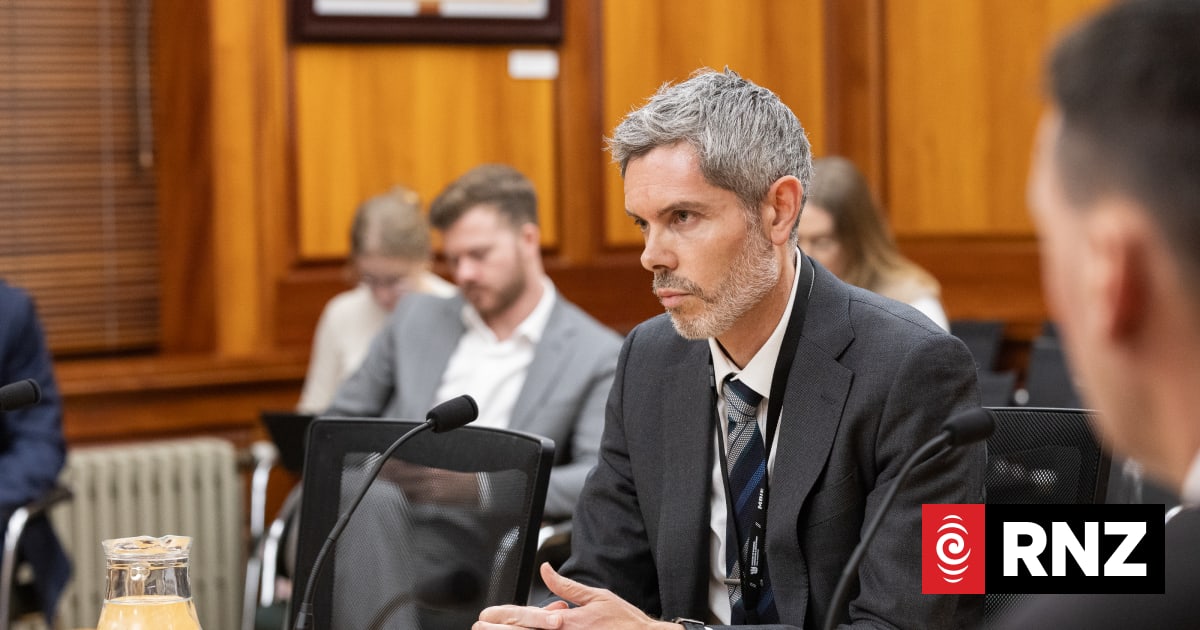
A public sector leadership expert calls for the sacking of a top New Zealand government official for misleading Parliament about a failed IT project.
“I think based on that, Spielberg reached out, quite humbly.”
“Police believe the phones were used by prisoners to continue drug importation and distribution activities from within the Mt Eden facility.”
Charges would range from $5 to $7, most likely in the peak direction only.
“The goalposts are within reach to them.”
The proposal does not guarantee that every component of a household’s council-related costs will rise by no more than 4%.