The Global Rise of Online Speech Policing
Governments are tightening control over what citizens can say online. The worldwide slide toward punishing speech has profound consequences for open societies.
Amid a UN report condemning the harms of surrogacy to women and children, this new law is hardly a revolutionary reform.
The media must stop their constant invasive propaganda about this woman which is akin to a cruelty upon our senses.
The ‘kill list’ that exposes a global crisis of escalating antisemitism. Governments must pursue the perpetrators with the same determination they would apply to any other violent extremist organisation.
The public mood is no longer reformist – it is pre-revolutionary. You can feel it in every poll and every pub. People do not want a ‘national conversation’: they want a national clear-out.
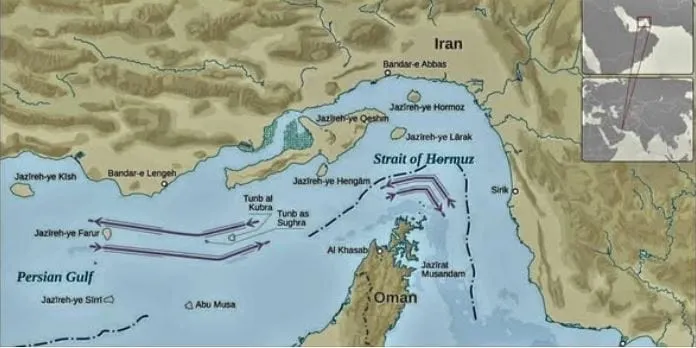
Preserving the Mediterranean’s security, safeguarding freedom of flow and maintaining its strategic centrality are not tactical options, but existential duties for both Italy and the Western bloc.
Imagine a school system funded by New Zealand whose textbooks glorified killing Māori, or demonised Pasifika, or taught that Muslims were inherently evil. There would be immediate, universal condemnation. So why is the response so muted when the hatred is directed at Jews?
Having seen the disastrous influence of UNDRIP in Canada, the continued existence of the He Puapua framework that Labour put in place to implement the declaration in New Zealand represents an existential threat to our future.
The British are slow to anger but quick to organise once the mood turns. They tolerate a great deal until they don’t. And nothing changes a nation’s politics quite so abruptly as the dawning realisation that the future is no longer imagined with them in it.