Table of Contents
Summarised by Centrist
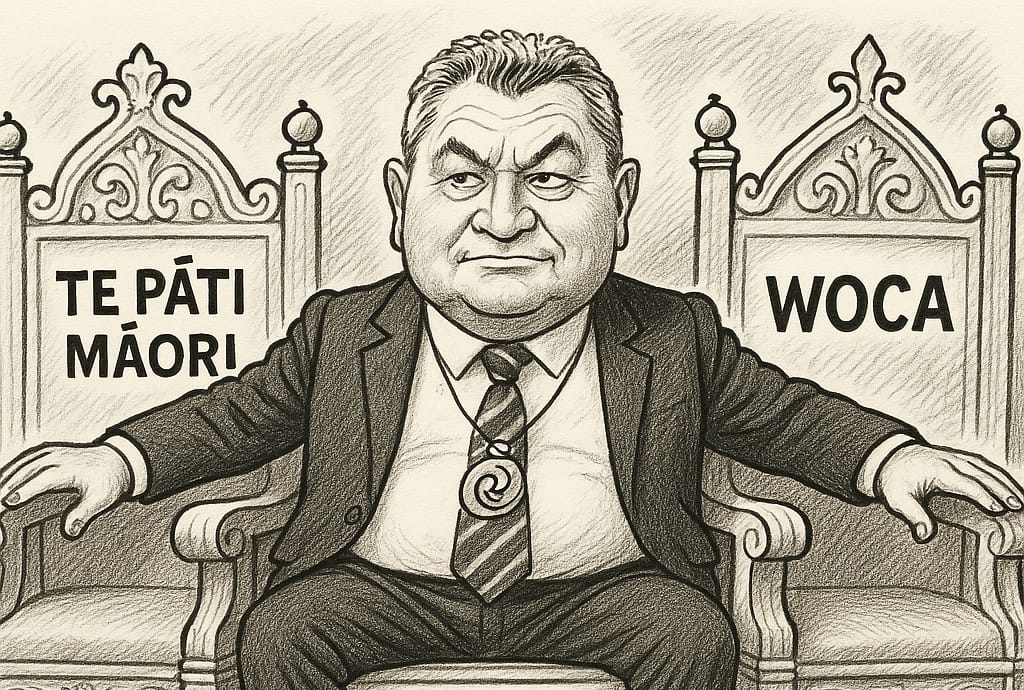
Te Pāti Māori is facing its most severe internal crisis in years, as party president John Tamihere comes under fire from members, MPs, and grassroots organisers who accuse him of turning the movement into a personal power base.
The immediate trigger is the expulsion of MPs Takutai Kemp and Mariameno Kapa-Kingi. Party insiders say the process was so irregular it resembled a “kangaroo court”. Under Te Pāti Māori’s own constitution, roughly 36 representatives from electorates and party structures were required to vote. Instead, just 11 voted, with key electorates excluded and no proper mandate from members. Both MPs say they will fight the expulsions.
The backlash has drawn attention to the scale of Tamihere’s influence. He simultaneously holds three major leadership positions: president of Te Pāti Māori, chief executive of Whānau Ora (the commissioning agency that distributes public money), and head of the Waipareira Trust. Critics argue this concentration of authority is incompatible with democratic governance inside a political party.
Concerns about nepotism are also surfacing. Multiple senior figures across Te Pāti Māori’s electorates and national council are either related to Tamihere or employed by organisations he leads. The party’s co-leader is married to Tamihere’s daughter, who herself serves as Te Pāti Māori’s general manager. Chairs and co-chairs in key Māori electorates also work for Waipareira or Whānau Ora, giving Tamihere effective influence throughout the decision-making machinery.