Table of Contents
Anyone who has the temerity of pointing out that the left’s narrative of American “systemic racism” is just so much bullshit unsupported by facts is invariably accused of “white privilege”.
Leaving aside that “white privilege” is itself a racist slur, the charge is also easily disproved by the fact that so many black Americans say exactly the same thing. This clip shows black celebrities refusing to buy into the “systemic racism” narrative. Many black academics and speakers, from Wilfred Reilly to Thomas Sowell and Larry Elder, also demolish the “systemic racism” myth.
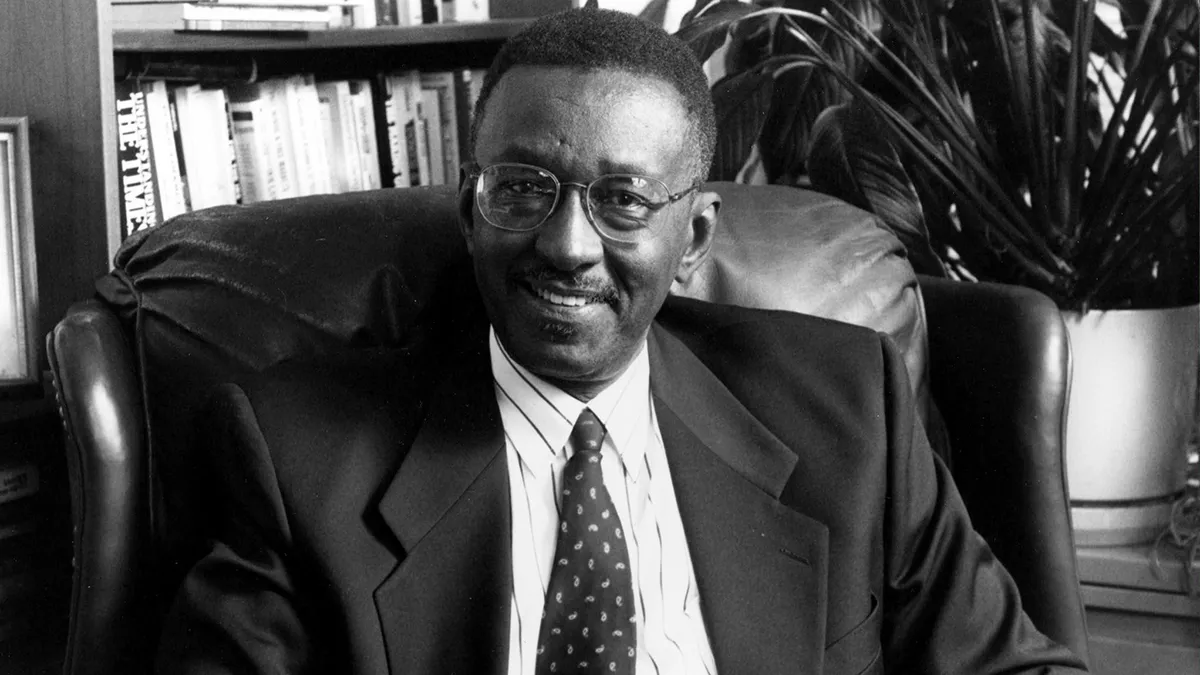
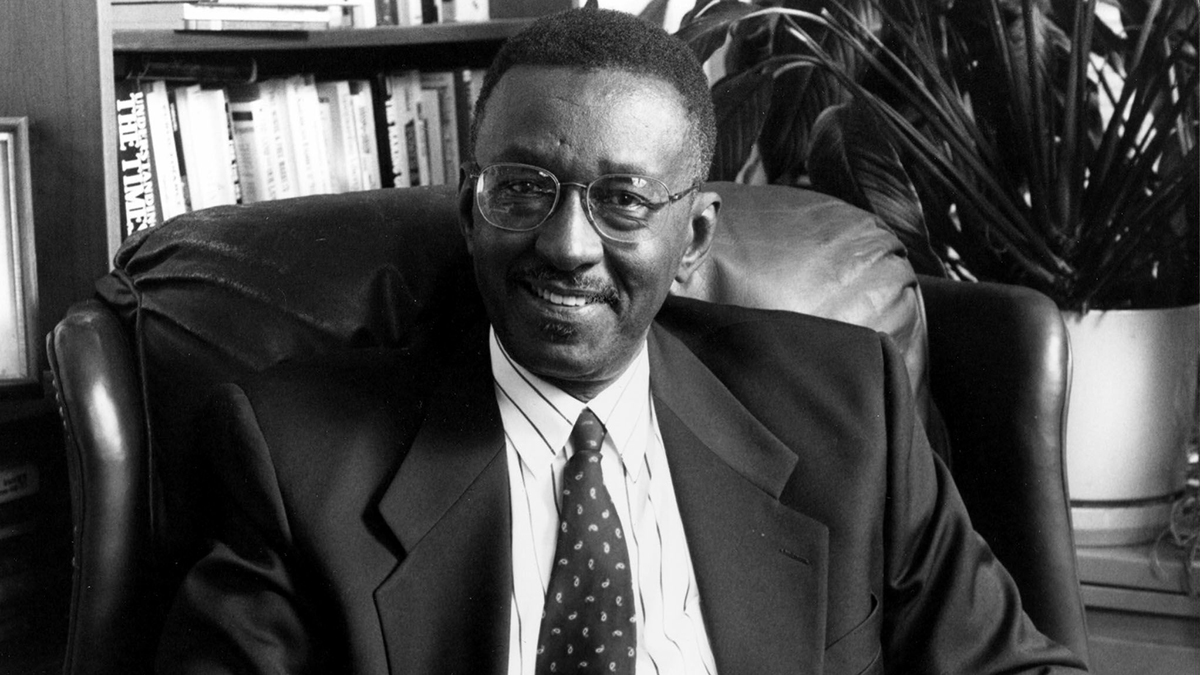
Famed economist Walter Williams is another.
“The civil rights struggle is over, and it’s won.” Commenting on the charge that the police are “systemically racist,” Williams stated that in Chicago, “There’s a person shot every three hours and a person killed every 14 hours, and so far this year there have been about 280 people shot and killed, and most of them are black and by blacks. In Chicago, the police have killed three people. So if you’re concerned about black lives, who should you pay most attention to?”
Williams refuses to buy into the same garbage excuse-making as the race-baiting activists and politicians who need, as Thomas Sowell says, to keep racism on life support in order to justify their careers and maintain their income.
As Sowell also says, the proclivity of race activists to blame any observed inequality on “racism” is a false choice fallacy. While the inequalities are, in some cases, real, they have little to nothing to do with racism.
Firstly, Williams points out that, if “racism” was the cause of black inequality, then, logically, things should have been much, much worse in the days of slavery and Jim Crow. The opposite is true. Since the “Great Society” welfare reforms of the late 60s, many black Americans have gone backward.
I’m in my eighty-fifth year of life, and I grew up in the slums of North Philadelphia. At that time we did not go to bed with the sounds of gunshots[…]and there were no bars at the window[…]and we were the only kids in the neighborhood who did not have a mother and father in the house. Today it would be exactly the opposite.
And you can look at the black family structure; in 1880, 85 to 95 percent of black kids lived in two-parent families. Today, we’re much further away from slavery and less than a third live in two-parent families[…]
And so it turns out that on a lot of measures of socioeconomic characteristics, blacks were better off in terms of family structure and violence in earlier times. Which is not to say I want to go back to the old days where was gross racial discrimination in our country, but I think that a lot of things that people are blaming on slavery and discrimination, it just doesn’t cut the mustard.
Williams also takes aim at affirmative action policies, which, as Charles Murray also argues, are setting up too many black Americans for failure. When institutions lower requirements for black Americans (and raise them for Asian Americans), what they are doing is pretending that a low-scoring black student is the same as a high-scoring Asian student. When the black student eventually gets left behind, “racism” is the obvious, comforting – and wrong – explanation.
If you look at some of the inequalities, they’re unavoidable. For example, in Baltimore, in the city of Baltimore, and this is a feature in other major cities as well, in 13 out of the 39 in Baltimore, not a single student tested proficient in mathematics and only 3% tested proficient in reading[…]
But see, the black kid doesn’t realize that is high school diploma is fraudulent, that his training is highly deficient, but he doesn’t realize that and he’ll blame any difference in treatment on racial discrimination.
In fact, instead of “systemic racism”, Williams argues that America is an unrivalled racial success story.
As a group, black Americans have made the greatest gains over the shortest period of time over some of the highest hurdles than any other racial group in the history of mankind[…]if you added up the income and spending of black Americans and just though of us as having our own GDP, we would be in the top twenty nations in terms of the top 20 richest nations.
“In 1865, neither a slave nor a slaveowner would have believed that these kinds of gains were possible[…]it speaks to the greatness of a nation such as the United States.
If you enjoyed this BFD article please consider sharing it with your friends.