Table of Contents
In their never-ending quest to try and scare us silly about the SARS-CoV-2 virus, the Branch Covidians endlessly yammer about so-called “Long Covid”. Once again, despite the fear-mongering, “Long Covid” only affects a bare minority of people who even get sick with the virus, and in fact seems pretty standard for a severe respiratory disease.
But there is another Long Covid, much more devastating and widespread, which the Covidians are strangely reluctant to even acknowledge.
The American economy is limping back to its pre-pandemic income and employment levels, but the population’s mental and physical health has taken a significant turn for the worst, problems that could take far longer to heal.
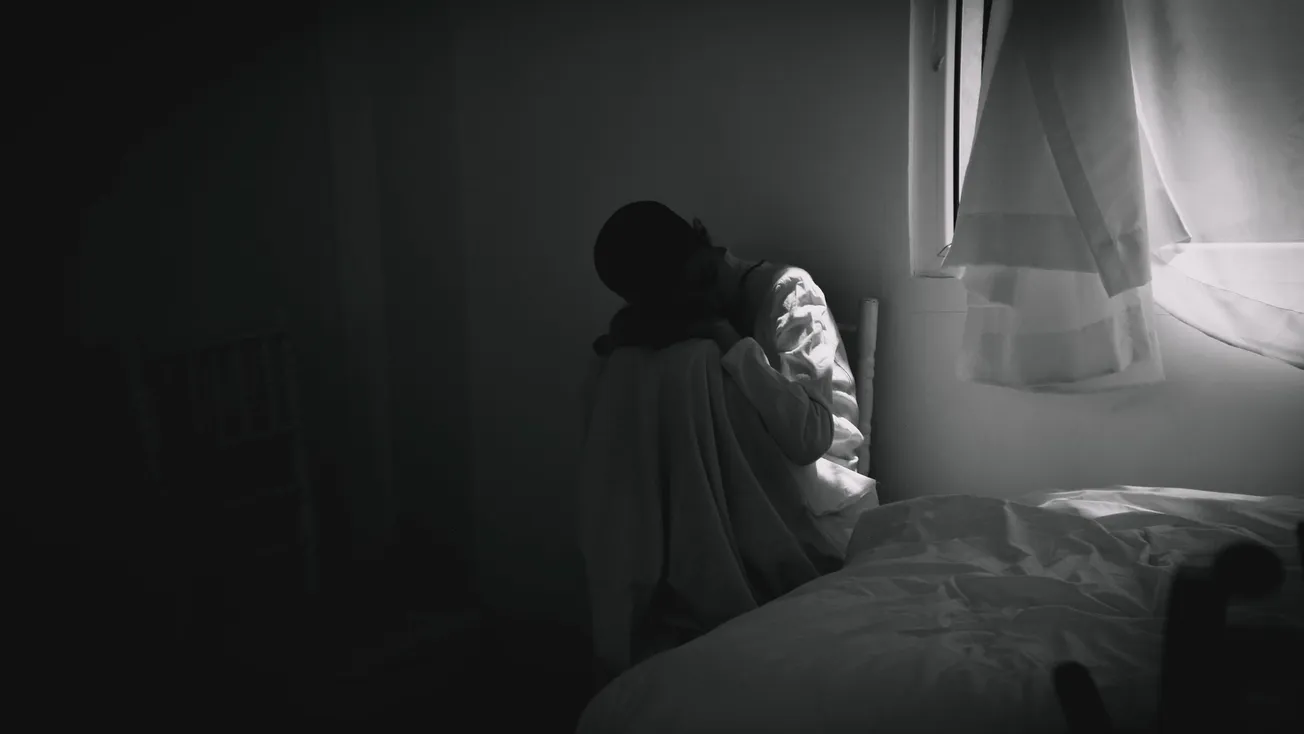
Last week the US Surgeon-General released a shocking report on an emerging mental health crisis among teenagers, revealing emergency department visits for suspected suicide attempts were 51 per cent higher early this year for girls and 4 per cent for boys, compared with the corresponding period in 2019.
“Recent research covering 80,000 youth globally found that depressive and anxiety symptoms doubled during the pandemic, with 25 per cent of youth experiencing depressive symptoms and 20 per cent experiencing anxiety symptoms,” the report says.
Remember when we “conspiracy theorists” were sneered at for arguing that the health — and especially mental health — consequences of lockdowns would be far more devastating than anything they supposedly prevented?
The US Surgeon-General’s report echoes several similar reports commissioned by the Victorian government in Australia: reports the government has desperately tried to keep secret.
In what won’t be a surprise to many parents, students’ test scores in English and maths collapsed by six and 14 percentage points, respectively, at schools across the US where learning shifted to online only – about 90 per cent of the nation’s schools. Online learning has been a disaster for the vast bulk of kids, another cost of our response to the pandemic that doesn’t show up readily yet will cast a long shadow.
But the effects the real “Long Covid” aren’t confined to young people.
About one-third of adult Americans said they had become more depressed since Covid emerged, according to the AEI survey, including almost 40 per cent for singles with no children.
More than 40 per cent of Americans said they gained an average of 13kg in weight during the pandemic, according to the American Psychological Association; the number of children aged five to 11 who were overweight or obese surged from 36 per cent to 46 per cent, another study found.
Alcohol consumption ratcheted up 39 per cent by November last year compared with February, the month before the pandemic, according to an RTI International research institute study.
“People didn’t just increase their alcohol consumption for a month or two at the beginning of the pandemic – the trend held for nearly the entire year,” author Carolina Barbosa says. Mothers with young children were drinking more than 300 per cent more.
More than 100,000 Americans overdosed in the 12 months to April, which was 28 per cent higher than a year earlier and a record.
Finally, at the start of the pandemic last year rates of depression among US adults tripled to 28 per cent and, far from easing back to normal, the rate persisted and increased into this year, rising to 33 per cent by April.
The Australian
The take-home from this is that it’s not the virus that is the real enemy: it’s the unconscionable cabal of politicians, public health bureaucrats and mainstream media, who’ve almost gleefully exploited the threat of a virus with a 98%+ survival rate in order to strip away precious freedoms and damn an entire generation to years of suffering.
“Save lives”, they self-righteously bleated, while the very policies they forced on us have made us sicker, mentally and physically, than we’ve been in generations.
Please share this article so that others can discover The BFD