Table of Contents
EKO
Artist and bookmaker
You know the pattern. You’ve probably lived it.
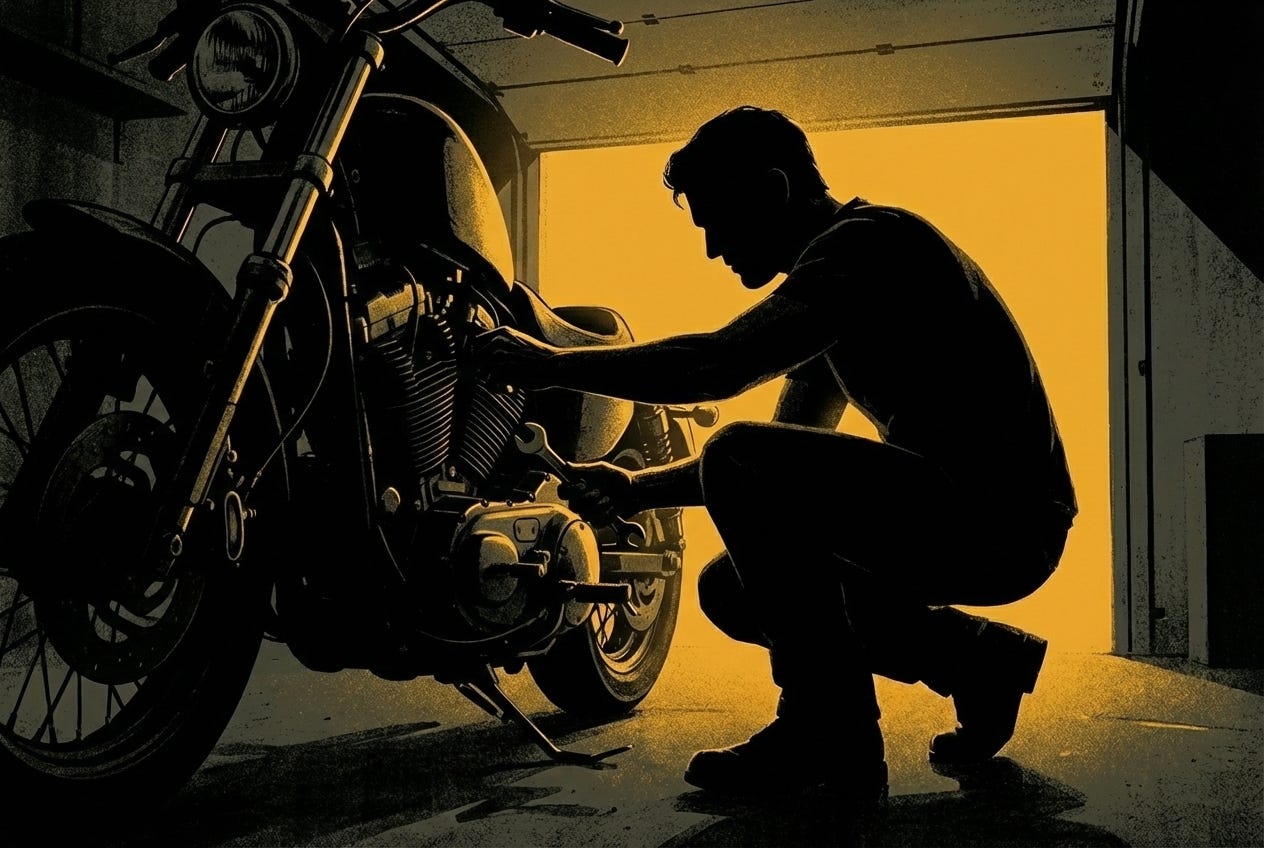
The grandfather who came back from the war, took the GI Bill, bought a house with a garage. Built furniture on weekends. Fixed the car in the driveway. Rewired the basement himself. When the washing machine made a noise (metal grinding on metal, the sound of something dying), he didn’t reach for a phone. He pulled the machine from the wall and listened. Tilted his head like a doctor with a stethoscope. Bearing, he’d say. Maybe the belt.
Saturday morning, coffee going, parts spread across the garage floor. Grease on his hands. Tools laid out in order. He fixed it because that’s what you did. You figured things out. He didn’t think of himself as particularly handy. He just thought of himself as a man, and this is what men did.
His son watched. Absorbed the knowledge through proximity.
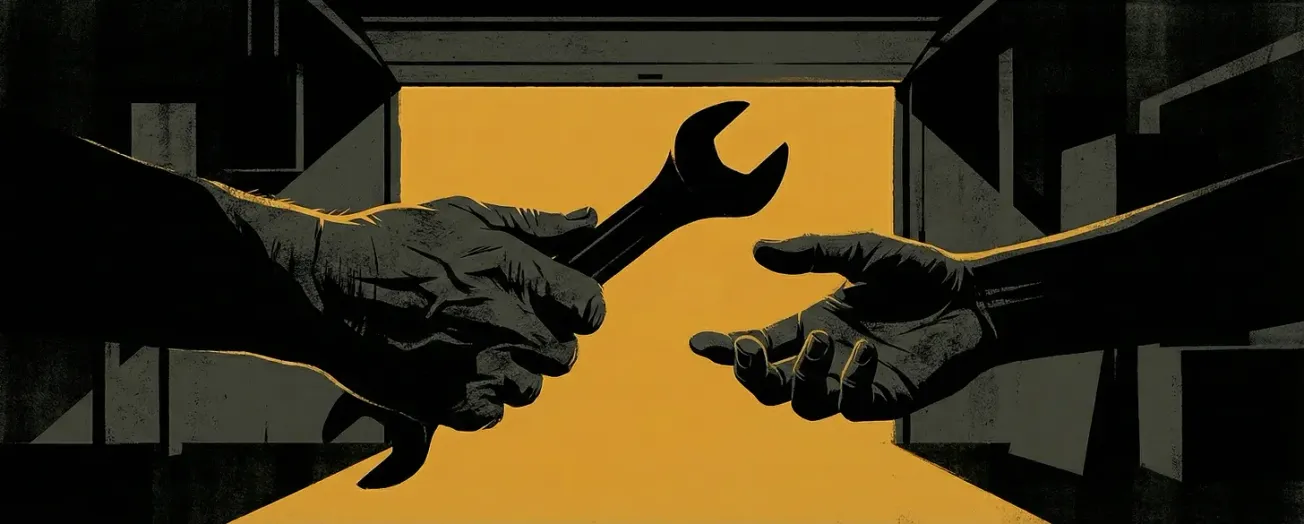
Handing wrenches, holding the flashlight steady, screwing up and trying again. By the time that son left home, he could fix most things. Maybe not quite as well as his father, but well enough.
Then the drift started.
Professional class rising. The economy rewarding credentials over calluses. The message got louder: smart people don’t work with their hands. Shop class started disappearing from high schools.
By 1995, half of American schools had dropped it. Wood shop became “alternative education,” which everyone understood to mean not college material.
And the women were selecting for it too.
You’re too smart for that.
A real career has benefits.
I’m not marrying a mechanic.
Men become what women reward. This has been true across every culture, every era. When the culture told women that professional men were the prize, stable, credentialed, clean-handed, men listened. The women they wanted were choosing accordingly.
The guy who picked the office over the garage wasn’t running an economic calculation. He was choosing her.
So he became a professional. Lawyer, accountant, manager. Something with a title. When his sink leaked he called a plumber. When his car made a noise he took it to the dealer. When the door stuck he hired someone. He never really considered what he wasn’t passing down.
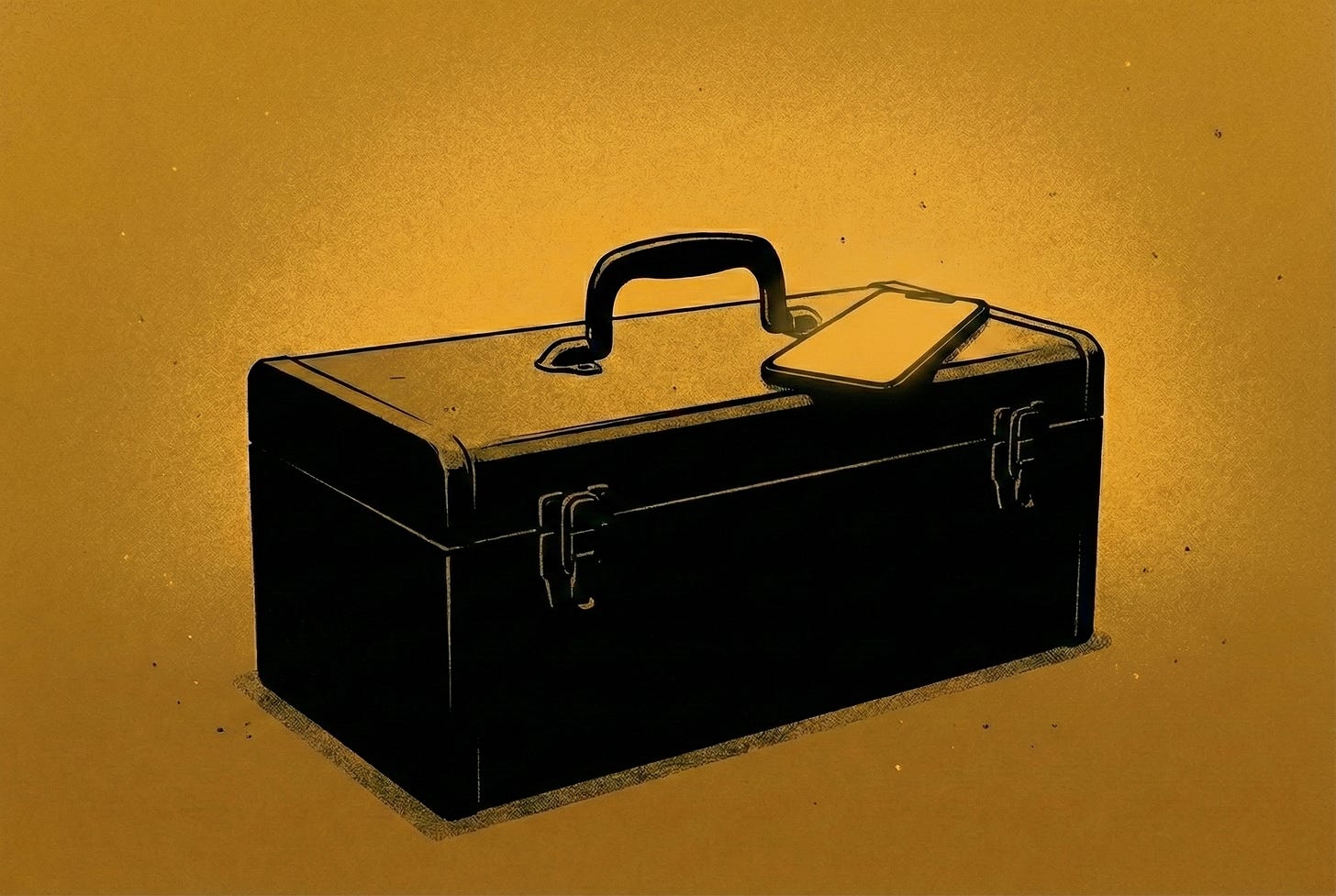
His son grew up in a house where broken things got fixed by strangers.
Competence meant having money to outsource. Problems were things you paid to make disappear. That kid never saw his father diagnose anything by listening. Never watched him take something apart. Never failed at a repair and tried again until he got it right.
Change a tire? Call AAA.
Mow the lawn? Hire a crew.
Fix anything? There’s an app.
The hands-on knowledge that gramps had, the kind that can’t be taught in words, only caught through presence, skipped two generations.
Maker → manager → consumer.
Each generation optimizing for what the world seemed to be rewarding, each one losing something in the trade.
That kid grew up, graduated college, got married, had his own children. And somewhere around 30 he looked down at his hands and realized they didn’t know anything.
He wasn’t defective. He was a product of his environment. Millions exactly like him.
This week in Davos, the world’s ‘leaders’ finally admitted what happened.
Aviator Macron said Europe has no battery factories.
Carney said a country that can’t feed or fuel itself has no real sovereignty.
Then POTUS read the receipts. Factory construction up 41 per cent. Steel production surging. Car plants coming home. Deals getting made in real time.
Somewhere in that speech he mentioned Freedom 250, the country’s 250th birthday this July. Said he was honored to be president for it.
They’re talking about building nations again. But nations don’t build themselves. Families do.
That guy is filling the void himself now.
Trade school enrollment is rising for the first time in decades. Young men becoming electricians, plumbers, welders. They want something real, something they can touch. The administration signed an executive order in April to overhaul federal workforce programs, with a goal of supporting a million apprenticeships a year. The skills gap is real. Half a million tradesmen short annually, and growing. The federal government spends $700 billion a year pushing kids toward four-year degrees, but only half of those graduates end up in jobs that require one.
The market is correcting. So is the culture.
And in garages across the country, fathers are correcting it themselves.
The Millennial dads who inherited nothing are teaching themselves at 35 what they should have learned at 12. And they’re determined their kids won’t start from zero.
Weekend projects. Tools in small hands. Permission to screw up and try again.
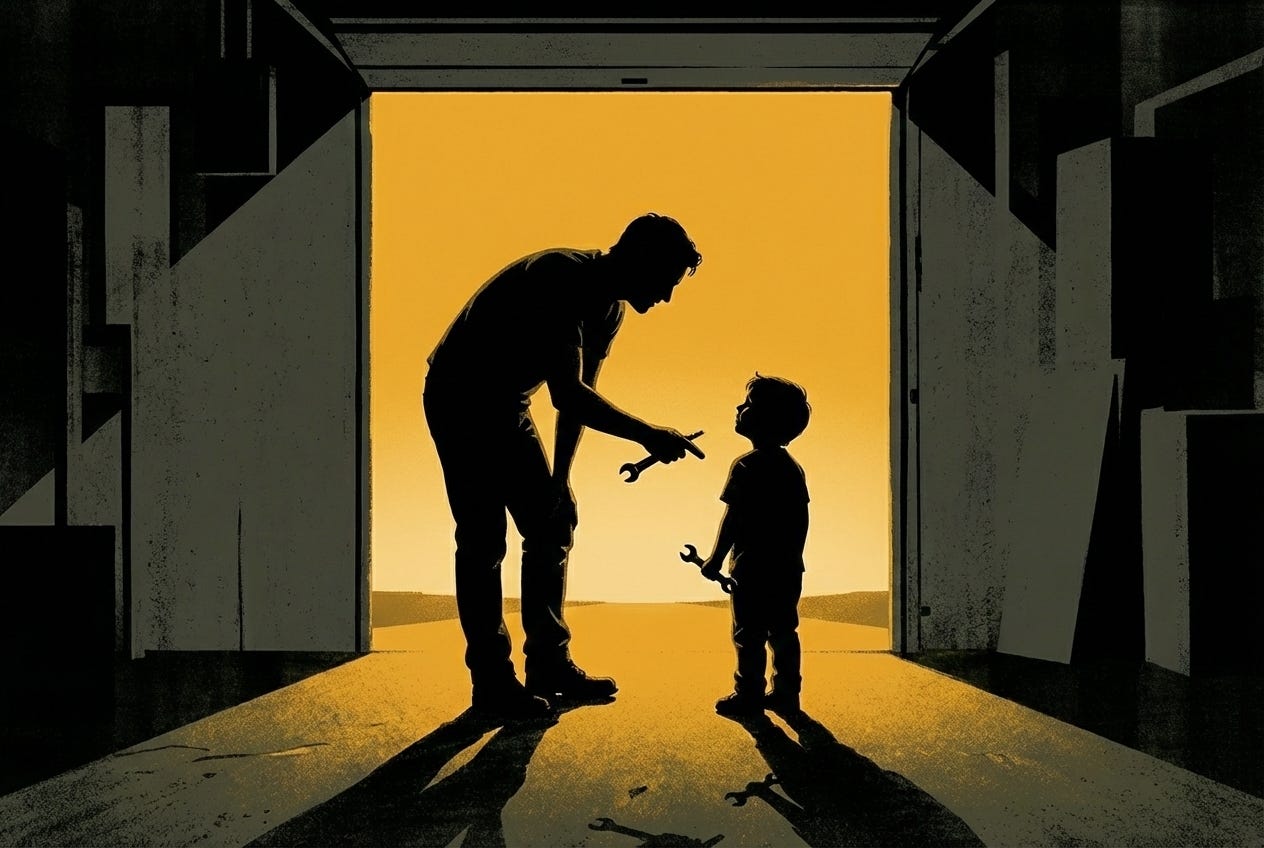
Homeschool networks growing. A mechanic opening his garage to neighborhood teenagers. A furniture maker taking apprentices. Grandpas dragging grandsons into workshops before it’s too late. YouTube tutorials replacing the shop classes that got cut. One channel has over a million subscribers just for engine rebuilds. Half a million views per episode. People wanting to learn something their schools decided they didn't need to know.
The institutions stopped supplying it. The demand never went away.
This is how knowledge actually moves when you let it. A father teaching his daughter to weld. A farmer showing his son how seeds become food. No walls needed, no artificial separation between school and life. Just one generation passing something real to the next.
The Greatest Generation is almost gone now. But their great-great-grandchildren are arriving. Generation Alpha, born into a country that finally seems to remember it needs people who can build things, fix things, make things with their hands.
The line broke somewhere between Boomers and Gen X, and it stayed broken for a while.
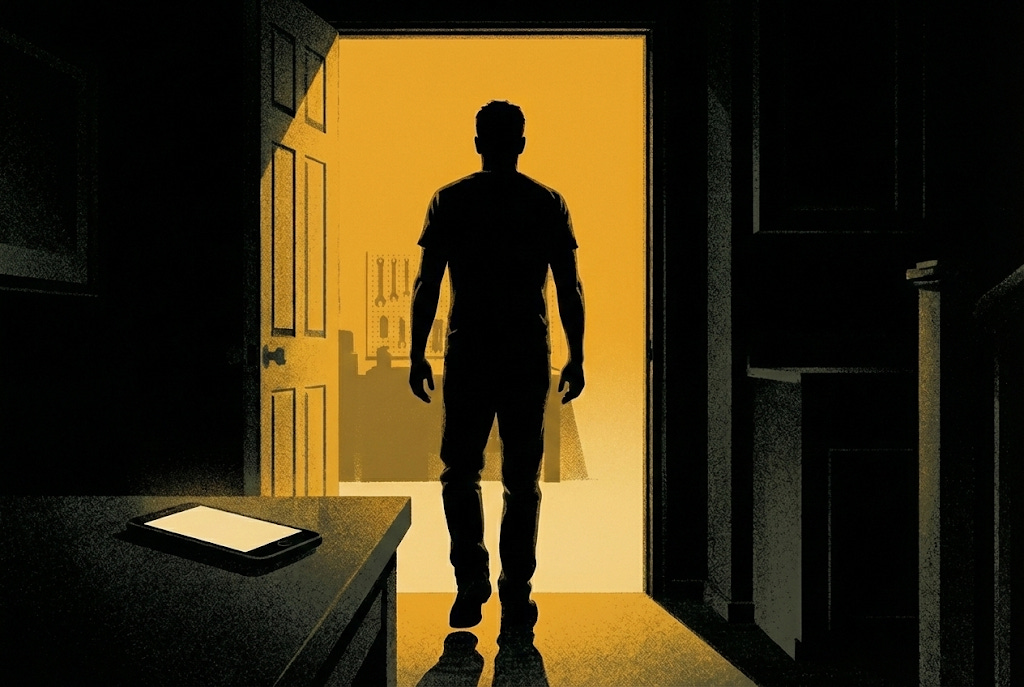
But there are men right now, in their 20s and 30s and 40s, who feel the gap even if they can’t quite name it. They’re looking for the thread. And they’re finding it. Picking up tools, learning skills their fathers couldn’t teach them, passing it down to kids who will actually know how to do things.
The elites in Davos are arguing about AI and supply chains and tariffs and which bloc gets to dominate the next century. But for Americans, the real rebuilding is happening in driveways and garages and backyard sheds, one family at a time.
Nations don’t build things. People do. And people learn from other people. Usually their fathers, usually by watching, usually by failing and trying again.
The policy can help, the money can flow, the factories can come back. But none of it matters if fathers don’t teach sons, if the knowledge that lives in hands keeps dying with the men who have it.
Someone has to be the bridge between what was lost and what comes next.
Freedom 250 is this year.
And we get to ask ourselves what we want it to be for the next 250.
The answer definitely isn’t in Switzerland.
It’s in your garage.
This article was originally published by EKO Loves You.