
Table of Contents
Summarised by Centrist
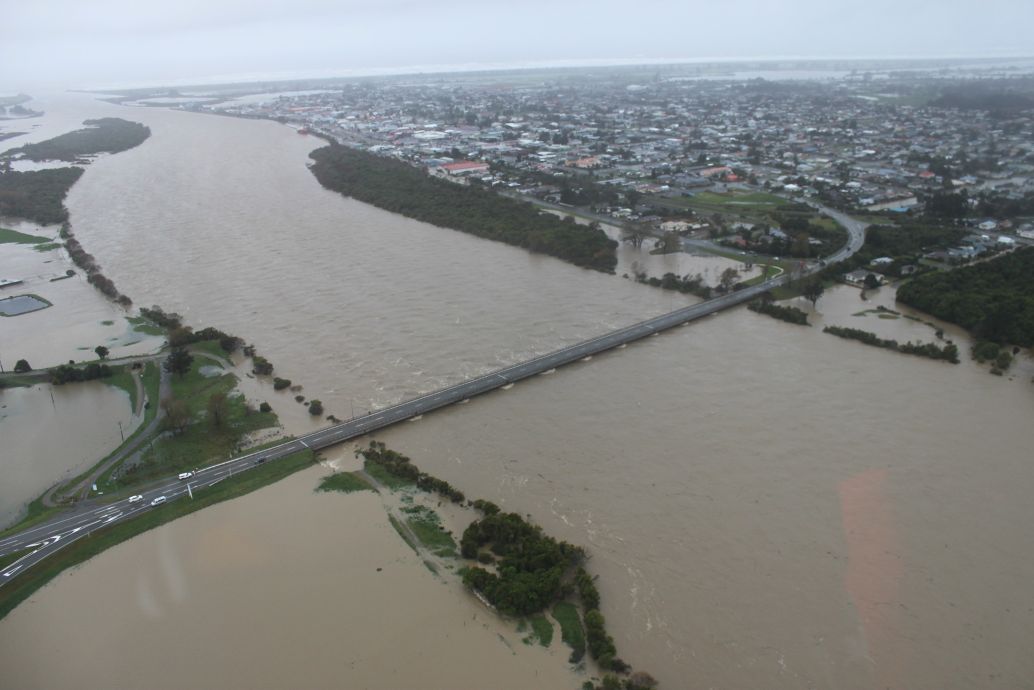
In the coastal town of Westport, AA Insurance temporarily stopped offering new home, contents and landlord policies because of flood risk.
For resident David Hughes, “If you had half a brain, why would you move here and buy a depreciating asset?… It’s lose-lose.”
Insurers are under no obligation to help. As insurance lawyer Tim Gunn puts it, insurance is a “risk-based product”. If a property is deemed too risky, insurers can exclude it or refuse cover altogether. They are also not required to renew policies when they expire.
“Banks will not lend to a buyer that hasn’t insured the property their mortgage is against,” Gunn says. If your home is uninsurable, it is unsellable.
Gunn says he is already seeing this play out. “It’s a scary new thing for lots of people,” he says. “You have beachfront properties that are worth millions, but insurers now say, ‘No, I’m not really interested in providing you renewal.’”
This phenomenon is called insurance retreat.
Building flood defences may offer short-term reassurance, but climate expert Dr Belinda Storey warns that this may encourage more development in harm’s way. “It doesn’t actually reduce the number of houses that are in the flood zone,” she says.
That leaves the most controversial option of managed retreat.
Managed retreat is the planned withdrawal of people and property from areas deemed high-risk, with governments buying out homes and preventing rebuilding.
It is controversial because it forces people to leave their homes and locks in financial losses, often ending any chance of selling on the open market.
It also raises questions about whether taxpayers should underwrite private risk.



![[The Good Oil] April 2026 Political Poll](https://images.unsplash.com/photo-1540910419892-4a36d2c3266c?crop=entropy&cs=tinysrgb&fit=max&fm=webp&ixid=M3wxMTc3M3wwfDF8c2VhcmNofDk1fHx2b3Rpbmd8ZW58MHx8fHwxNzIyMzkxNTI4fDA&ixlib=rb-4.0.3&q=80&w=1304)

