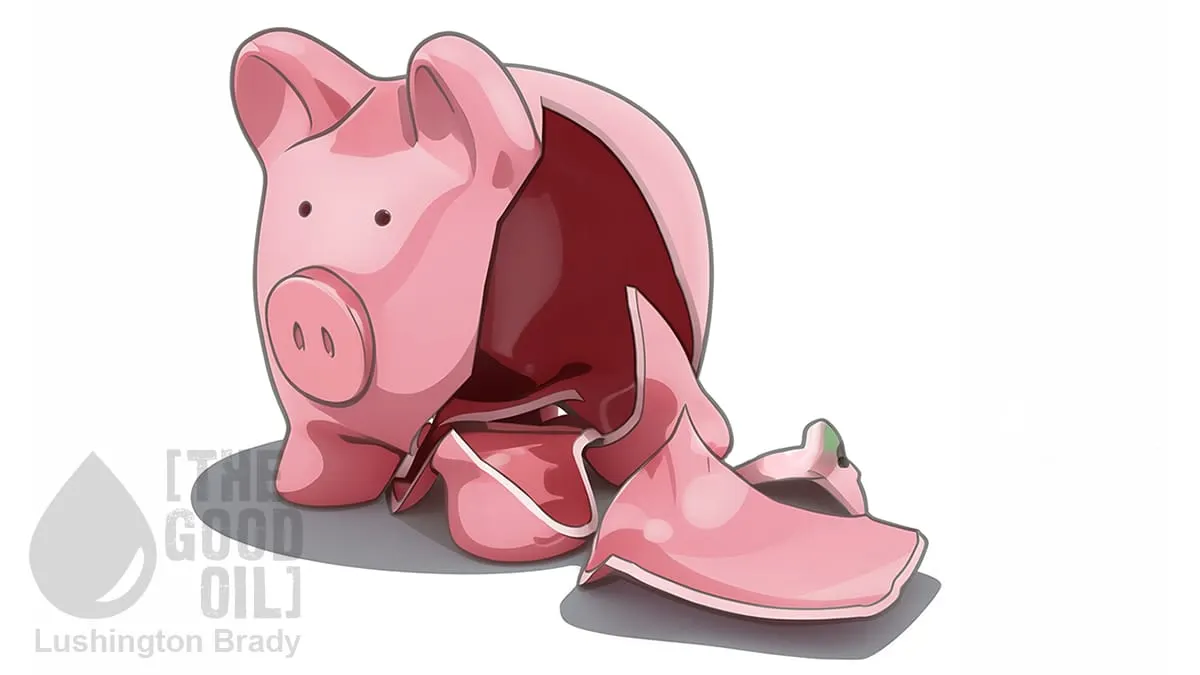
Anthony Albanese has discovered a sudden and touching devotion to free trade. The trigger? The United States plans to slap a 12.5 per cent tariff on Australian exports because Canberra has failed to stop goods made with slave labour from entering the country.
The new tariff is planned to be slapped on dozens of countries for allegedly failing to take action to prevent slavery and forced labour […]
“There is an ideological disagreement where the United States administration has broken with what was a decades-long understanding that tariffs are not positive for the country that is imposing them,” Mr Albanese said.
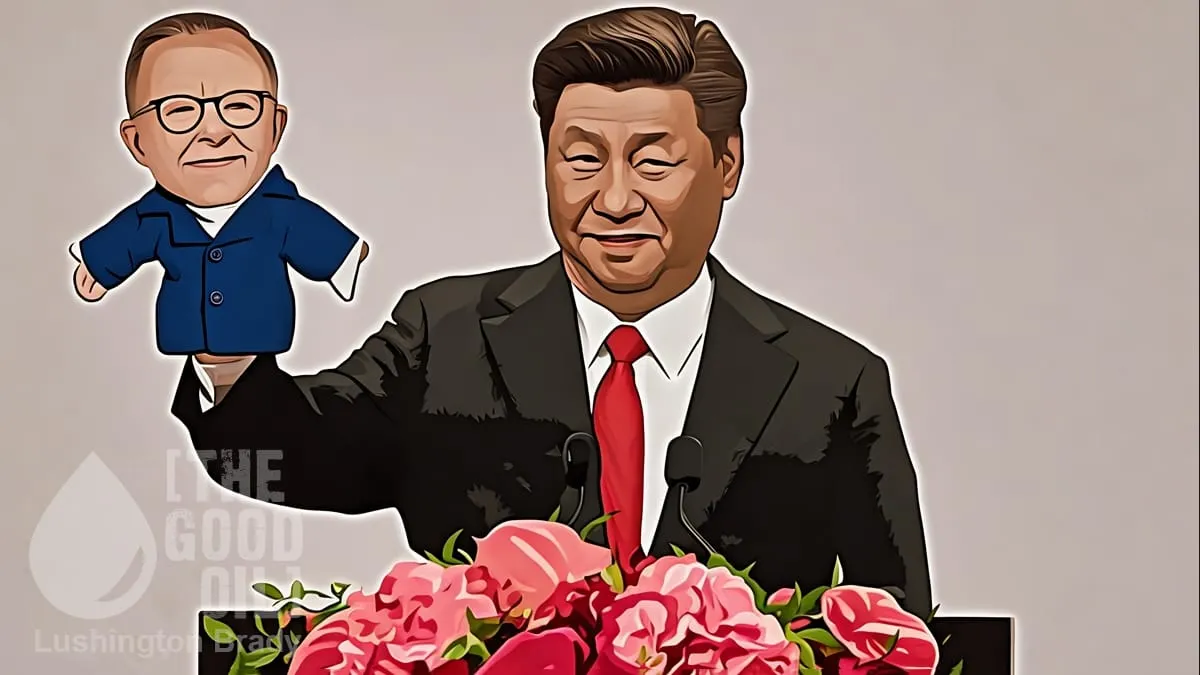
One might ask what Albanese’s real objection is. Is it the principle of tariffs, or is it the awkward fact that the policy targets countries that turn a blind eye to slave labour? China, after all, is widely regarded as the second-largest slave-owning nation on the planet. Australian governments of both stripes have spent years tiptoeing around Beijing’s industrial-scale use of forced labour, particularly in Xinjiang. Even supposed ‘anti-Slavery campaigner’ Twiggy Forrest keeps shtumm about the communist dictatorship that has made him a billionaire by literally selling them his country by the shipload.
Suddenly applying real pressure on trading partners who import the fruits of that system appears to make Labor deeply uncomfortable.
As for the supposed wickedness of tariffs, Australia already imposes its own 10 per cent tax burden on all US products imported here. It is called GST. No one in Canberra calls it an outrage against free trade when it lands on American goods. Yet when Washington proposes to do something similar in the name of stopping slave-made products, it becomes an ideological crime.
“We actually think not only is it not in the interest of the United States, importantly, it undermines the global trading system,” Mr Albanese said.
This from a government that has cheerfully used tariffs, taxes, subsidies and regulatory barriers whenever it suited its own political needs. A government, moreover, which only opens its mouth to change Xi Jinping’s boots, even as China arbitrarily bans Australian goods in punishment for asking awkward questions about the origins of global pandemics and flagrantly steals billions in intellectual property, year on year on year.
The hypocrisy is almost impressive in its scale.
US trade representative Jamieson Greer said the alleged failure to ban products produced with forced labour created a “dynamic where American workers are forced to compete globally on an unlevel playing field”.
That is not wild protectionism. It is basic fairness. Australian Trade Minister Don Farrell reportedly told Greer the tariffs were “unjustified”. One wonders how he explained Australia’s own GST and the thicket of other imposts that hit American exporters.
Former treasurer Joe Hockey, who briefly served as ambassador to Washington after doing his level best to wreck Tony Abbott’s term as PM, chimed in with the idiot chorus. “The president of the United States is absolutely convinced that tariffs are great,” Hockey said. He argued that Mr Trump cannot see the economic damage.
In fact, the evidence so far suggests otherwise. The earlier round of US tariffs raised more than $200 billion in revenue while doing remarkably little measurable damage to the broader American economy. Claims of economic ruin have proved greatly exaggerated. Revenue, by contrast, has been very real.
Opposition Leader Angus Taylor called the proposed tariffs “rotten” and said Australia should fight them. So, what does he suggest we do to stamp out global slavery? Great Britain had the answer, centuries ago, but try and find a Western nation today with the same steely, morally righteous, resolve.
The deeper issue is not tariffs versus free trade. It is whether Australia is prepared to accept the consequences of trading with regimes that still practice slavery on an industrial scale. Albanese appears to prefer the diplomatic fiction that all trading partners are equally virtuous. The United States, under this administration at least, is no longer playing along.
That is the real ideological disagreement. And Albanese is very much on the wrong side of it.