Table of Contents
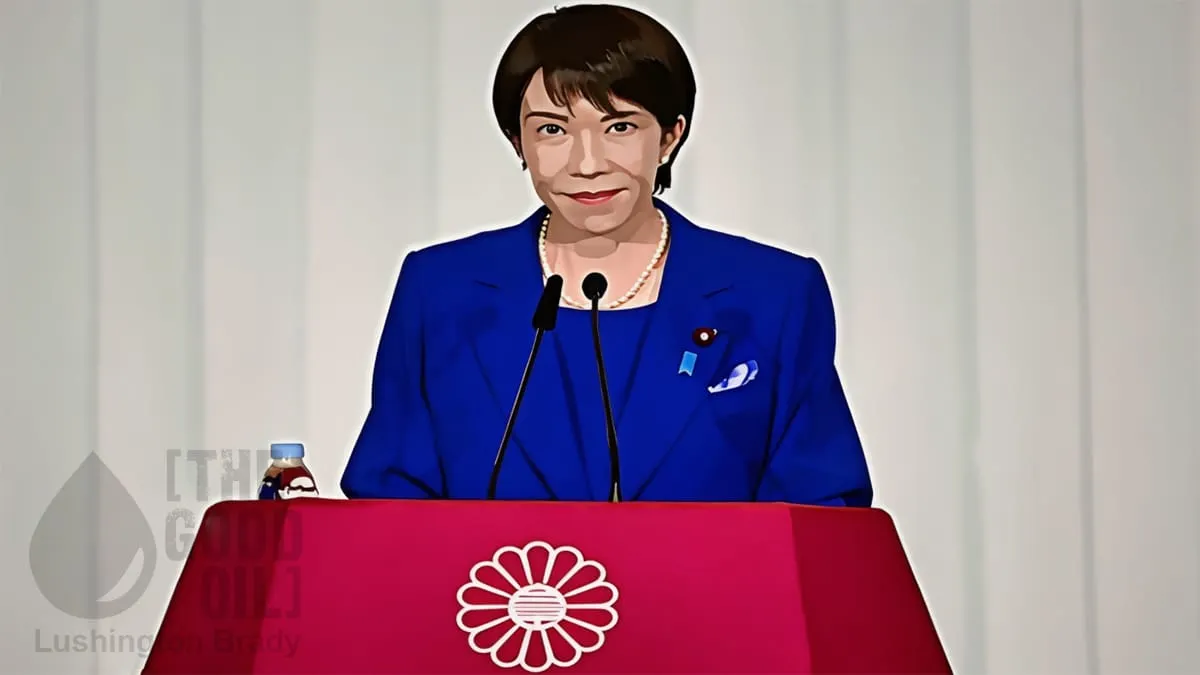
With Sanae Takaichi formally sworn in by the emperor as Japan’s new prime minister, what can we expect from the country’s new – and first female – PM? After years of turmoil that sees Takaichi as Japan’s fourth leader in as many years, the country must surely be hoping for some stability, at the least. The silly legacy media in the West, of course, can’t help but prattle about ‘glass ceilings’ and whether her leadership will ‘help Japanese women?’
Even the left-media in Japan are parrotting too much of the same nonsense.
Takaichi, an ultraconservative star of her male-dominated party, is among those who have stonewalled measures for women’s advancement. Takaichi supports the imperial family’s male-only succession, opposes same-sex marriage and a revision to the civil law allowing separate last names for married couples, so women don’t get pressured into abandoning theirs.
‘Ultraconservative’, in legacy media-speak, means of course, simply ‘sane’. And, as we’ve seen in the West, gay marriage is in fact a Trojan horse for some of the most misogynist garbage under the rainbow. The rest is simply the sort of fluff that obsesses the silly minds of feminists but makes not a jot of difference in the real world.
Takaichi supports a stronger military, currently undergoing a five-year buildup with the annual defense budget being doubled to two per cent of gross domestic product by 2027. Trump is expected to demand that Japan increase its military spending to NATO targets of five per cent of GDP and purchase more US weapons […]
Takaichi’s mission is to regain conservative votes by pushing the party further to the right.
That is something we can only wish more ‘conservative’ parties in the West would have the guts to do.
More immediately, though, Japan’s most pressing issue is its economy. The Nikkei is so far giving her prospects a boost, climbing close to 50,000. The first indications of ‘Sanaenomics’ are that she intends to “focus first on dealing with rising consumer prices”.
Takaichi has indicated she opposes raising interest rates. The promise of continued cheap credit is one reason share prices have shot higher. But keeping rates low will hinder efforts to curb inflation and to strengthen the yen.
Echoing many of her predecessors’ promises, Takaichi also has vowed to deliver wage increases, without saying how she intends to do that […]
Although she is an unabashed conservative on most social issues, Takaichi has said she favors giving tax incentives to companies that provide child care facilities to their employees and possible tax breaks for family spending on child care.
Takaichi is expected to emulate the policies of her mentor, Shinzo Abe. She is also, like Abe, hawkish on defence.
Her political ascent has spurred heavy buying of shares in military-related companies such Mitsubishi Heavy Industries, Yaskawa Electric and Japan Steel Works.
Takaichi is bound to seek cordial relations with US President Donald Trump, just as Abe did, and to strengthen Japan’s security alliance with Washington. They are expected to meet later this month.
The elephant in the room, though, is Japan’s low birth rate. It’s unclear what any government can do to reverse what is a trend in most developed countries, without resorting to the social poison pill of mass immigration from the Third World, which Japanese, famously fiercely defensive of their own culture, will not assent to easily.