Table of Contents
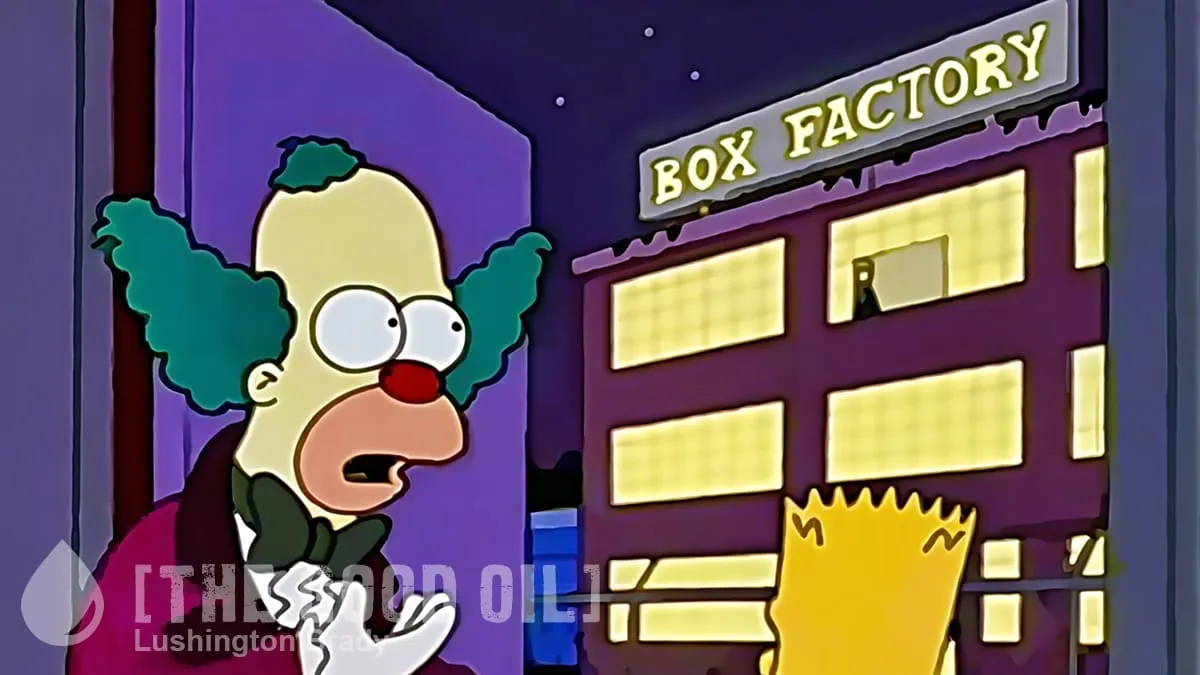
As The Simpsons’ Krusty the Klown once explained, “One day, you’re the most important guy who ever lived. The next day, you’re some schmo working in a box factory.” Krusty was, of course, talking about showbiz, but, as we all know, politics is just show business for ugly people and the same rule applies. One day, “Kevin07” was the most popular PM the country has ever had, the next, a loathed pariah even within his own party.
Jacinda Ardern soon learned the same harsh lesson. While never even near as popular as Kevin Rudd at his peak, Ardern was still the most popular NZ PM in a century. Yet, within months of winning a landslide election, Ardern was so hated by Kiwis that her minders took to keeping her public engagements secret to try and avoid jeering mobs. Ardern, on her own admission, couldn’t even use an airport dunny without getting abused.
As the ancients repeatedly warned, hubris is the undoing of even the mightiest. If you’re a specky little git that no one actually likes, hubris is even more unbecoming. Take note, Anthony Albanese. And look to your own party’s history.
After the 23-year coalition government lost the “It’s Time” election in 1972, it was widely believed that Labor would be in power for a very long time. Liberals had barely registered a pulse under their leader Billy Snedden and, according to the Canberra press gallery consensus, any comeback lay with small-L Liberals, not conservatives (as he then was) such as Malcolm Fraser. Labor’s radical policy agenda characterised the times.
Robert Menzies became so disillusioned that it’s unlikely he voted Liberal, preferring to vote for the anti-communist Democratic Labor Party instead.
“The idiots who now run the Liberal Party will drive me around the bend,” he privately lamented in 1974. “The so-called little-L liberals who run the Victorian Liberal Party believe in nothing but still believe in anything if they think it worth a few votes. The whole thing is quite tragic.” (Sound familiar?)
Yet, for all the hoopla and blatherskite from the chattering left, Gough Whitlam not only barely scraped into power, but he couldn’t hold onto it for even a single full term. On calling an early election barely three-quarters into his first term, Whitlam suffered a nearly eight per cent fall in primary votes – and that was against the woeful Billy Snedden. By the next year, Whitlam was consigned to the dustbin of history.
The great Whitlam dream lasted just three years.
Bear all this in mind as you reflect on the political situation 50 years later. Hardly a week goes by without Canberra’s herd of independent minds writing off conservatives and the party of Menzies. Up against a dominant prime minister and his progressive policy agenda, the pundits keep telling us, the Liberals face a very long time in the political wilderness. According to Niki Savva, ‘The Liberal Party is now dying, and (it is) completely at odds with mainstream Australians.”
As I’ve written before, this sort of hubris is only possible if you completely ignore Australia’s electoral history. Several times, one or the other of the two major parties has been completely wiped off the election map. A decade or so later, the situation is reversed. The Libs’ polling is dire, but so was Labor’s in 1934. Yet, by the next election they were polling higher than they are today. In fact, of Labor’s bottom-five first-preference vote counts, three were racked up in the last decade.
The Liberals certainly face serious challenges. But one thing the party has in its favour is the same thing that helped revive its electoral fortunes 50 years ago: what British prime minister Harold Macmillan famously called “events”. That is, it’s the unplanned and unexpected that makes or, more often, breaks governments and political leaders.
All the more so when, as distinguished British journalist Andrew Neil puts it, “the ‘unlikely’ increasingly becomes the ‘likely’, with a rapidity similar to Hemingway’s description of going bankrupt in one of his novels – at first gradually, then suddenly… very suddenly”.
Consider Rudd or Ardern. They were both tremendously popular – until suddenly, and abruptly, they weren’t.
Although pundits and academics think politics is static, it’s very fickle. Stuff happens: often it is stuff no one saw coming, let alone stuff they had discussed at the previous election, such as the oil-price shock that helped destroy Whitlam. History shows that what appears to be certain can only come unstuck and what’s down can only go up. Ideas matter. Decisions have consequences.
For example, after Keir Starmer’s landslide victory in the British general election last year several respected commentators in Westminster said Labour would be in power for a decade or longer. One catastrophic year later, Labour has crashed in the opinion polls and were an election held tomorrow it would be lucky to come third.
John Howard was on a hiding to nothing as the turn of the millennium approached, at the head of a government seen as, in the words of their own strategists, “mean, tricky, and out of touch”. Then, boom! Events. The MV Tampa and the launch of the Great War on Terror happened, and Howard stormed to victory with an increased majority.
But one cannot predict where events will go next: a capable opposition can leave a limping government dead and buried, or that government can have a change of fortune and win back support.
Just ask Peter Dutton. Dutton was an odds-on favourite to send Labor into minority government, or in opposition altogether. Then the ‘geniuses’ in the strategy organised the most mind-bogglingly inept election campaign any observer of Australian politics can remember. Even with one of the lowest primary votes in Australian history, Labor won a landslide.
You may say the Liberals are showing all the signs of a political party on life support: Newspoll this week shows the Liberals sinking to a new low. In politics, however, it is rare that a major party is finished forever. In Britain, for example, it last happened with the riven Liberal Party in 1918, and in Australia with the United Australia Party in 1945 when its members joined the new Liberal Party.
A year later, the newly minted Liberal Party won a swing of 10 seats higher than the UAP’s last result. An election later, the Liberals swept into government with an astonishing 48-seat gain. They stayed in government for the next 23 years.
You also may say it’s very difficult now to predict a Liberal resurgence in the foreseeable future. But it was very difficult for the Liberals in 1974 to smash Labor a year later; or the Liberals in 1993 to defeat Labor convincingly in 1996.
Here’s a personal lesson in hubris: I well remember laughing at the thought that the Liberals under Howard would defeat the revitalised Keating Labor in 1996. They not only did, but stayed in power for over a decade, with Howard becoming Australia’s second-longest-serving prime minister.
No victory lasts forever, as Whitlam found out 50 years ago; and no downfall is permanent, as the Liberals have shown throughout their 80-year history.
And when even a landslide majority of seats is built on a near-record-low primary vote, a government is standing on shifting quicksands. All it takes is one adverse event and then all that remains is two vast and trunkless legs of stone standing in the desert of history.