Table of Contents
Patrick Drennan
Patrick Drennan is a journalist based in New Zealand, with a degree in American history and economics.
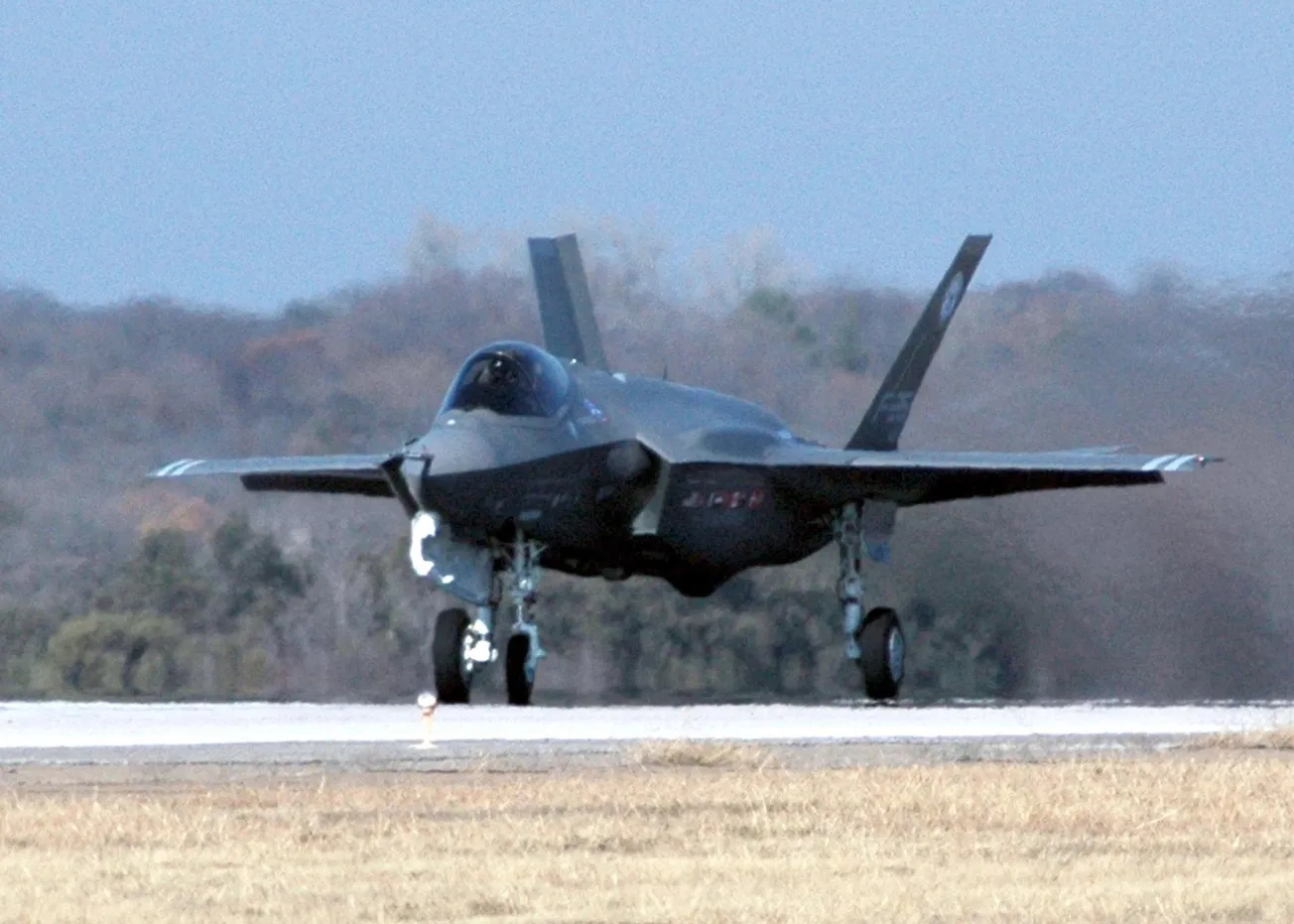
While many nations have committed to buying American jet fighters like the Lockheed Martin F-35 Lightning, its price ($US100 million per unit), high maintenance and operational costs ($6.6million per year), including the cost of its missiles, have seen many American allies look for alternatives.
So, considering the approximate unit price in US dollars, who are the main competitors?
The French Dassault Rafale-F4 jet fighter sells for $250 million each and costs about $3.5 million per year to maintain. The Eurofighter Typhoon, representing the United Kingdom, Germany, Italy and Spain, costs about $120 million per plane, and also about $3.5 million per year to operate (based on a 2023 fleet of 137 aircraft and a 2024 parliamentary report).
Since Sweden joined NATO in March 2024, it has raced to develop its Gripen E-series jet fighters to be compatible with organizational standards. While lacking the stealth of the F-35, its PS-05/A pulse-doppler radar may give it an edge in complex combat scenarios. While the Gripen sells for about $85 million per unit, it has significantly lower flight costs than its competitors (about $7,500 per hour). It can land on motorways and a small ground crew can refuel and re-arm the aircraft in under 20 minutes.
It is not just the cost of the jets, but also the missiles they use.
American missiles include the AIM-9 Sidewinder (about $400,000 per unit) and the AIM-120 AMRAAM, ($300,000 each). The air-to-surface missiles include the AGM-114 Hellfire ($150,000) and the AGM-158 JASSM ($700,000). All but the JASSM have been used effectively in the Ukraine War.
Ukraine also uses their home-made FP-5 Flamingo Missiles ($500,000) and the French/British Storm Shadow Missiles (about $1 million each).
The Europeans have also developed the Taurus KEPD 350 missile ($1.4 million) and the sophisticated Mach 4 Meteor missile for about $2.3 million per unit. European governments have not approved these long-distance weapons for use in Ukraine, for fear of upscaling the war.
Meanwhile, Russia uses a variety of air-launched missiles, including the hypersonic ballistic Kh-47M2 Kinzhal missile ($10 million per unit), the long-range cruise missile Kh-101/102 ($1.5 million per unit), and various short-to-medium range missiles like the Kh-59 series (between $2–7million each).
America is constantly learning from the Ukraine war and is making improvements, including lowering the cost of missiles. In the online magazine The War Zone, journalist Joseph Trevithick describes how the newly formed Counter-Air Missile Program (CAMP) was created “for the development, procurement, and integration of a low-cost counter-air capability”.
So, as it is not just the cost and effectiveness, why are America’s allies buying elsewhere?
Countries that are buying Gripen E-series jet fighters, while deferring American jet purchases, include Colombia, Türkiye, Ukraine, Thailand, and Brazil. Saab Sweden is also developing unmanned Gripen aircraft.
Türkiye is buying 18 Typhoon Eurofighters. Spain has “formally ruled out” the F-35 entirely and, along with Portugal, are also considering the Typhoon Eurofighters. Like others in Europe, Portugal potentially believed that any F-35 fleet would rapidly become ineffective without access to American-controlled maintenance, logistical, and computer networks.
Italy, Japan and the United Kingdom are combining to produce their own generation-six stealth air fighter. The proposed jet is being configured to using a variety of missiles, from expensive to cheap, including interoperability with “wingman” drones.
India prepares to purchase 114 Dassault Rafale-F4.3 jet fighters from France (they already operate a fleet of older Rafale fighters). Furthermore, Russia and India are planning to manufacture Su57 jets in India.
Dassault also has plans to sell the Rafale jet to Serbia, Greece, and Indonesia. The buyers infer that it is because the French company operates on time and on budget.
Indonesia also intends to buy at least 42 Chinese J-10 fighter aircraft. Egypt, Bangladesh and the UAE are also planning to buy Chinese jets.
While the Rafale, Typhoon and Gripen are very effective air-to-air fighters, they cannot match the F-35’s speed, power, stealth (low observable design and sensor fusion), and interoperability with other American systems. The American air-launched missiles are pinpoint precise and are making continuous improvement. While foreign systems may have advanced features, they lack proven performance under a variety of combat conditions.
Nevertheless, American allies are turning away from American military suppliers, and it is not just aircraft. They are also buying foreign-sourced armored transport, tanks, naval ships, and drones. They are questioning the reliability of the United States as a strategic partner, witnessed by America’s increasing isolationism and trade wars, and vacillation on military support for Ukraine.
This article was originally published by RealClearDefense and made available via RealClearWire.