Table of Contents
Matua Kahurangi
Just a bloke sharing thoughts on New Zealand and the world beyond. No fluff, just honest takes.
I just read the NZ Herald, so you don’t have to…
So this Māori nurse gets a scribble tattoo on her face, and suddenly, she’s claiming she copping racist abuse from patients. But the real question no one wants to ask is this: Why is it okay for Māori to ask for a Māori doctor or nurse, but if anyone else says they’d prefer someone of their own ethnicity, they’re labelled a racist piece of shit?
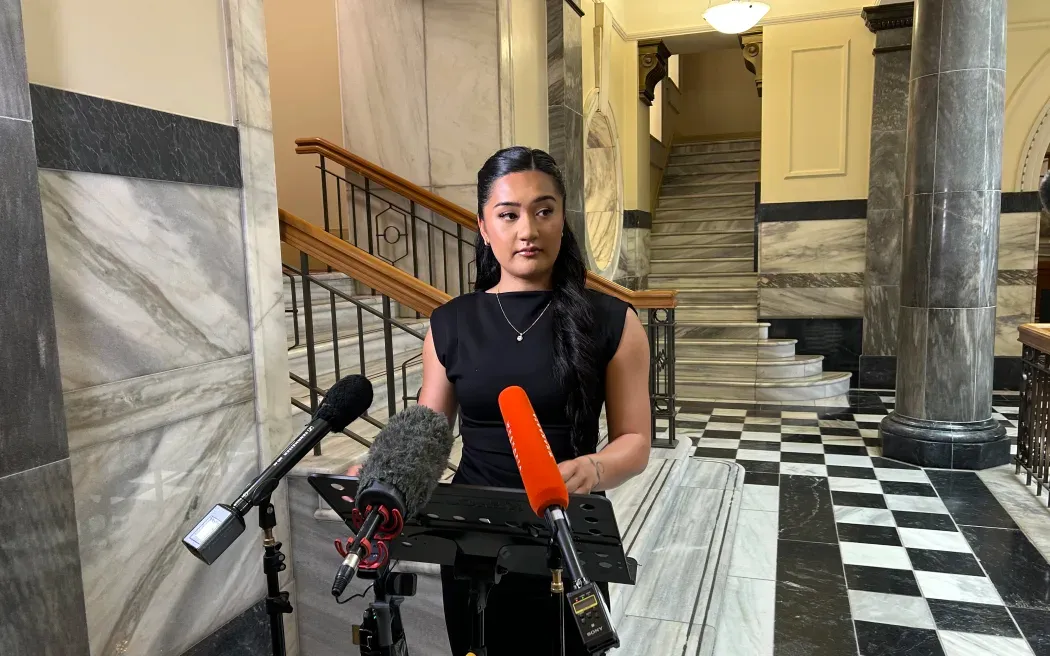
Mary Parkinson Peni works at Middlemore Hospital. She’s Māori. She’s got a moko kaue – one of those gang-looking chin tats. She reckons it’s part of her identity, her whakapapa, and her culture. I think moko kauae screams Māori extremist!
Anyways, moving on – earlier this year, after she got it done, a patient flat-out refused care.
“I don’t want that black girl with the ugly face to look after me,”
the old woman said. Mary then passed the patient on to another nurse and got on with her job.
Māori patients can ask for Māori healthcare workers all day long. No one bats an eye. It’s called “cultural safety”. It’s funded. It’s protected. It’s celebrated. But let a white person, Asian or anyone not Māori say, “I’d feel more comfortable with someone from my background,” and all hell breaks loose. Suddenly it’s “racist”. Are you kidding?
Mary’s story is inspiring, no doubt. First in her family to earn a degree. Reconnected with her heritage. Pushed through a tough road of night shifts and study. But, then she went and got what I have described in the past as a virtue-signalling barcode on her chin.
While she’s out there representing her people with pride, she’s also become a symbol of a system that plays by two sets of rules.
We’re told Māori need Māori doctors for better outcomes. Cultural understanding matters. But when anyone else expresses that same desire for comfort, familiarity, or shared values, they’re labelled ignorant, racist, or worse.
Why is there a cultural safety net for one group and a cancel culture trap for everyone else?
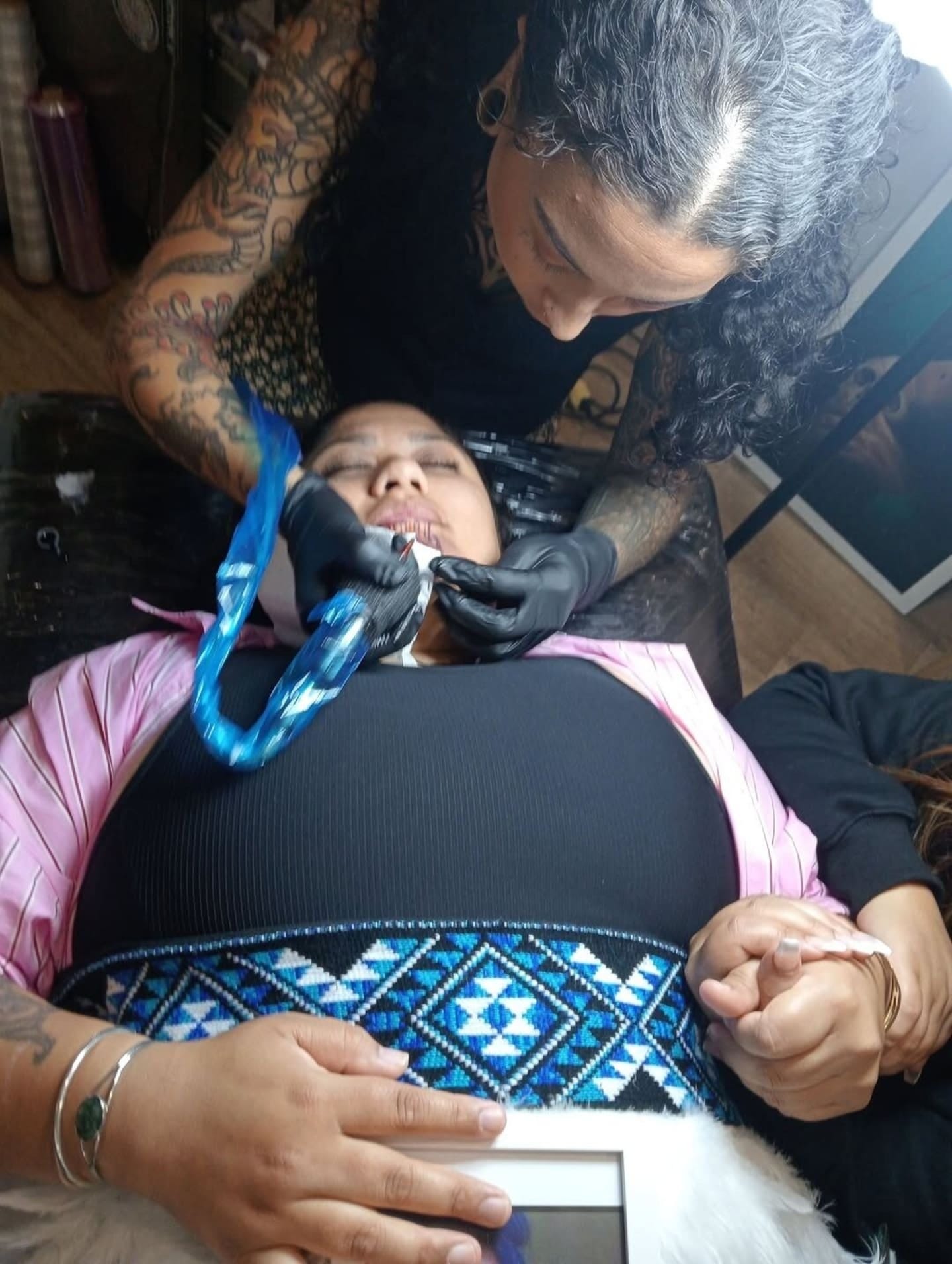
Mary said most of the abuse came from older people. Maybe that’s true. But it doesn’t excuse the double standard. Yet Māori can say, openly, that they want someone who looks like them, speaks like them, understands their world. And society claps.
It’s not about denying Māori their right to cultural connection. It’s about pointing out the obvious: you can’t have equality if only one side gets special treatment.
Mary gives the same care to everyone. She said that clearly. That’s what good nurses do. However, this system isn’t equal. It pretends to be. It hides behind “equity” while creating new lines of exclusion.
This isn’t a bash on Mary. She’s got a job unlike probably half her cousins. But her story cracks the door open on a conversation people are too scared to have.
Why can Māori choose, but no one else can?
If cultural connection is healing, then it’s healing for everyone. Not just when it fits the approved narrative.
This article was originally published on the author’s Substack.