Table of Contents
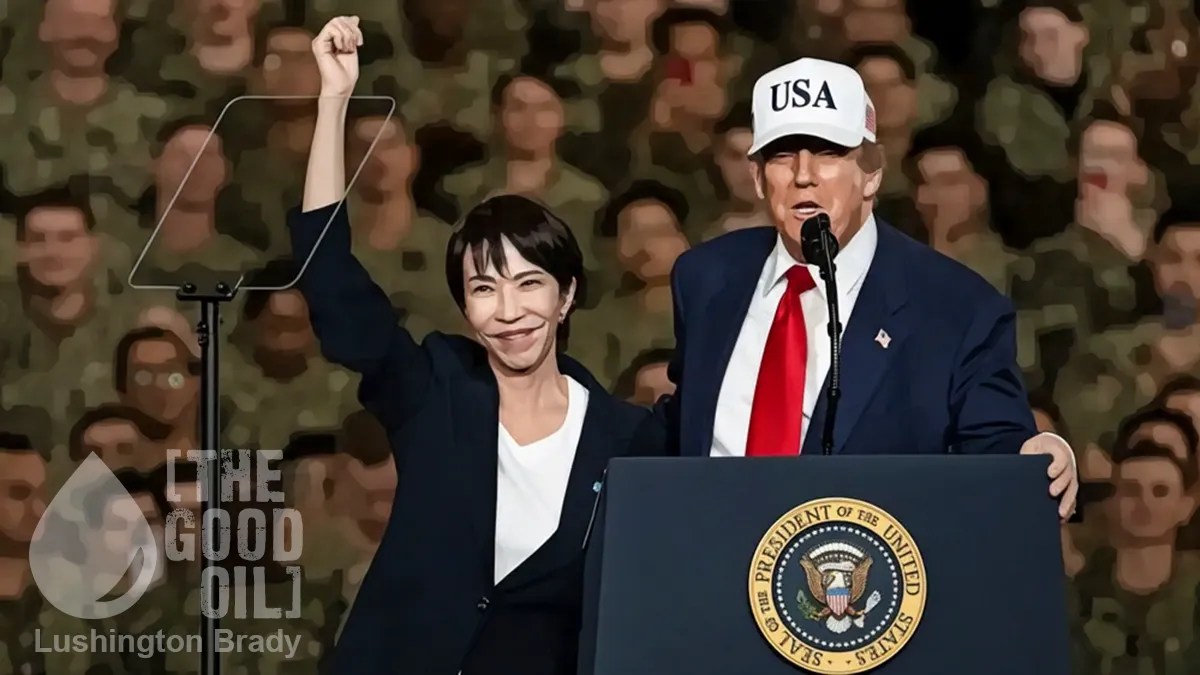
As I wrote last week, Japanese PM Sanae Takaichi appears set to win a commanding majority in this weekend’s snap general election. This is not just a chance to restore stability in Japanese politics, which has seen a revolving door of four prime ministers in just five years.
But the election result matters far further afield than Japan. The implications will be felt across the Pacific, as Takaichi seeks to live up to her Iron Lady reputation and stand up to the Chinese bully-boy.
First, she has to win, of course.
Takaichi is gambling her entire political career on this election, vowing to resign if her Liberal Democratic Party doesn’t secure a majority of the Japanese parliament’s 465 seats.
The polls suggest she’ll storm home with about 300 alongside the LDP’s coalition partner, the Japan Innovation Party.
If she does, she will seek to implement some of the most consequential reforms in Japanese politics in 80 years.
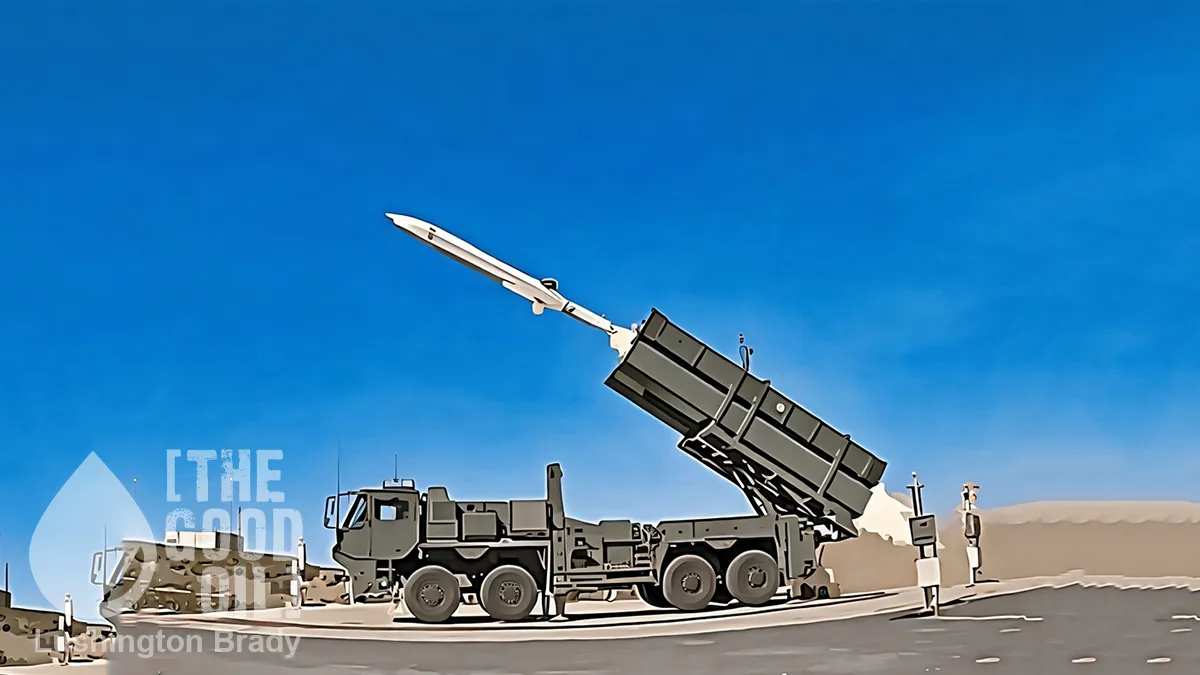
Takaichi called this snap election in January because she wants a proper mandate for sweeping reforms: to freeze consumption taxes for two years, crack down on illegal immigration, bump up defence spending to two per cent of GDP and – the big one – transform Japan into what she terms “a normal country capable of war”.
It’s the last that’s really upsetting the communist giant across the East China Sea.
Within a month of taking office last October, Takaichi managed to set Sino-Japanese relations ablaze. Bold as brass, she stood up in parliament and declared that a Chinese attack on Taiwan could constitute “an existential crisis for Japan” and that Tokyo would consider military action in response.
Beijing’s fury was Vesuvian. So was its retaliation: Chinese tourists were told to stay away from Japan; bans were slapped on Japanese seafood; restrictions were imposed on rare earth materials.
In other words, the Chinese Communist Party behaving exactly according to type. And spouting desperately obvious propaganda.
“Takaichi’s foreign policy is a shadowy military imperialism, a denial to the post-WWII order,” said Lu Chao, dean of the Institute of American and East Asian Studies at Liaoning University. “Countries in the Asia-Pacific, including Australia, which fought against Japan’s aggression in WWII, should be cautious.”
This propaganda might have worked 50 years ago, but hardly any Australians alive know Japan as anything but a reliable ally and the source of some of their favourite pop culture, not to mention technology. “All the best stuff comes from Japan,” as ’80s kid Marty McFly reminded 1950s Doc Brown. Understandably, perhaps, memories of Imperial Japan’s appalling crimes are slower to fade in China.
But what might work for a captive Chinese audience is hardly likely to scare the pants off Westerners, who know who the modern aggressor in the Pacific really is.
So, what’s got Beijing’s knickers in such a knot?
But a win does appear probable for Takaichi, as Professor Chao conceded. Should it happen in a landslide, Takaichi will have the numbers to pursue two promised constitutional amendments that stand to upend Japan’s longstanding postwar identity.
The first would formally recognise Japan’s Self-Defence Forces and rename them the National Defence Army, ending nearly eight decades of constitutional ambiguity over whether Japan is even permitted to maintain one. It’s a vestige of what was drafted under General Douglas MacArthur following Japan’s 1945 defeat – a legal fiction prohibiting military forces that has persisted even as Japan built one of Asia’s most capable militaries.
The second amendment would insert an emergency clause granting sweeping government powers during wars, disasters and terrorist attacks – powers the constitution currently lacks.
Still, even with a big election mandate under her belt, Takaichi will find passing such reforms every bit as difficult as it was for her political hero, the late Shinzo Abe.
The immediate implication for Australia will be whether to stick with our post-war ally, or continue to let Beijing walk all over us in exchange for that sweet, sweet yuan. We know where the left political class and unconscionably greedy Big Business’s preference lies: they’ll happily play doormat and lick Xi’s boots for all they’re worth, so long as the money keeps rolling in.