Table of Contents
Ani O’Brien
Like good faith disagreements and principled people. Dislike disingenuousness and Foucault. Care especially about women’s rights, justice, and democracy.
I make no secret of my hatred of the excessive and inappropriate use of name suppression in New Zealand. In particular, I am infuriated by the number of sex offenders who are given name suppression because people knowing about their offending would cause some kind of unjust hardship. Um, no. People knowing you have been convicted on a crime is a direct consequence of choosing to commit the crime. The system should not be mitigating against natural justice.
I made a series of videos on TikTok a year or so ago about sentencing in New Zealand and name suppression was present in most of these cases. What horrified me was the number of young women who contacted me privately to tell me about their experience in the justice system and how they were prevented from speaking about what happened to them because the men who offended against them got name suppression. This is so wrong. How dare the system, and those in it, prevent the victims of sexual violence from speaking about what happened to them. How dare anyone tell them they cannot point at their convicted assaulter and say “that man did it to me!”
I was furious.
That is why, of all the reforms and law changes this government has made, a relatively simple bill that got little attention has meant so much to me. It combines my belief in open justice, free speech, women’s rights, victim’s rights, and f*** all sympathy for sexual abusers.
On 30 October 2025, the Victims of Sexual Violence (Strengthening Legal Protections) Legislation Act came into force. It’s a long-overdue shift that puts the rights and dignity of victims at the centre of New Zealand’s justice system. For too long, those who have been sexually assaulted have been treated as spectators in their own cases, while offenders hide behind the protection of name suppression with the luxury of a system that seemed designed to keep them comfortable. This law changes that.

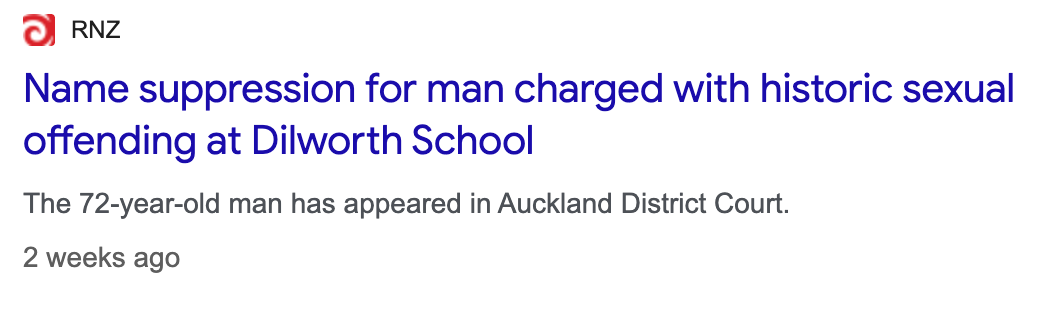
The most talked about reform in the bill is that victims now have the final say on whether an adult sex offender’s name remains suppressed. Up until now, courts could grant permanent name suppression even if the victim objected. Judges were only required to consider the victim’s views, not follow them. Now, that power balance is reversed. The court cannot issue a permanent suppression order for an adult convicted of a sexual offence unless the victim agrees. It’s a profound change and one that restores agency to survivors.
On the flip-side, the act also strengthens automatic name suppression for victims of sexual crimes, including those targeted by “intimate visual recording” offences. Victims no longer have to apply to have their identity protected: it’s automatic.
The law also introduces a much advocated for and important safeguard for children. Those under 12 can no longer be questioned in court about whether they consented to sex. This corrects an abhorrent feature that saw defence lawyers cross-examining young victims, children, on ‘consent’. The law now reflects the obvious truth – that children cannot consent.
Taken together, these reforms signal a cultural shift as much as a legal one. For years, the system has effectively rewarded offenders: allowing them to keep their names hidden while victims lived with stigma and fear. Under the new system, transparency and accountability become the default, not the exception. The victim decides whether suppression is granted and, in doing so, the law acknowledges that justice is not just about punishment: it’s about empowerment, dignity, and control over one’s own story.
That doesn’t mean the act is perfect. Legal experts have noted that giving victims the final say could come with pressure – emotional, social, or even direct coercion from offenders and their families. And in cases where a victim cannot be contacted or does not wish to decide, the court still makes the call. There’s also a real risk that victims might feel burdened by the responsibility to decide whether to expose their offender. These are complex, human realities that the justice system will need to manage carefully.
Still, the potential impact is enormous. We can expect to see more offenders’ names made public and with that, greater accountability and deterrence. Victims who choose to speak will no longer face the same bureaucratic obstacles or court battles to have their rights recognised. It will take time to bed in, but it marks a decisive move toward a justice system that sees the person harmed as more than just a witness.
Credit must also go where it’s due. This reform didn’t appear out of thin air. It was the result of determined work from the coalition government and in particular from Minister of Justice Paul Goldsmith. Successive governments have talked about ‘putting victims first’, but this one actually delivered it substantially in law. As Goldsmith said when the act came into force:
These changes will help ensure victims of sexual violence and their needs are returned to the heart of the justice system. We’ve been clear from day one that victims are our priority as we work to restore law and order.

It’s a rare example of politics producing something unambiguously good. A law that makes New Zealand fairer, safer, and more humane for those who have already suffered enough. What’s more, it was fantastic to see the bill pass through the House with unanimous support. When parliament listens to victims, real progress is possible.
Of course, this law won’t end sexual violence. It won’t erase trauma or make every survivor feel whole again. But it recognises victims as the rightful centre of their own stories. It’s a victory for transparency, for justice, and for basic decency.
If you’ve been the victim of sexual violence, you deserve to be heard. You deserve to decide whether the person who hurt you remains anonymous. This law gives you that right.
This article was originally published by Thought Crimes.