Table of Contents
Summarised by Centrist
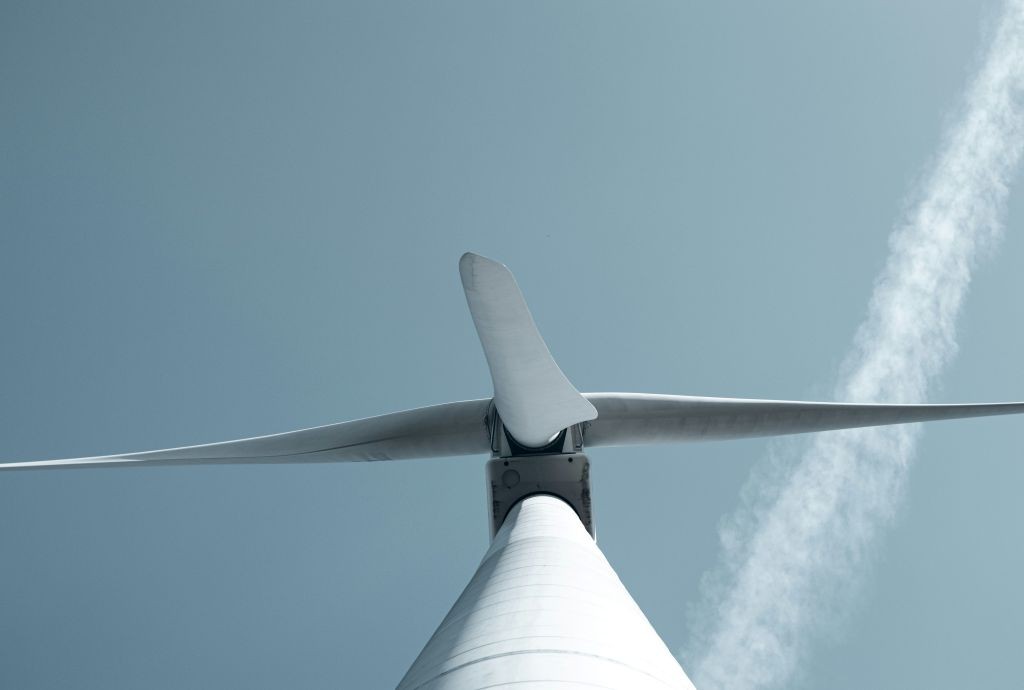
By 2050, the majority of the world’s roughly 225,000 wind turbines, representing more than 1.2 terawatts of capacity (enough to power roughly one billion homes), will need to be decommissioned or rebuilt.
Critics describe this coming rebuild as a “second transition”.
Typical turbine lifespans range from 20 to 30 years, meaning repowering will overlap with large-scale new construction. Steel, concrete, copper, and critical mineral supply chains are already under pressure.
Rare earths pose a particular vulnerability. Modern direct-drive wind turbines can require between half a tonne and two tonnes of permanent magnets per megawatt of capacity.
China currently refines an estimated 85 to 95 percent of global rare earth supply, concentrating both economic leverage and geopolitical risk in a single market.
Solar power faces a parallel challenge. With lifespans of roughly 25 to 35 years, billions of panels from today’s installed base, now exceeding 2.2 terawatts globally, will need to be retired by 2050. The cost of dismantling and rebuilding solar systems is expected to run into the hundreds of billions of dollars.
Some estimates suggest achieving net-zero emissions by 2050 requires around US$275 trillion in total physical asset investment, or about US$9.2 trillion a year.
By 2050, an estimated 43 million tonnes of wind turbine blade waste is expected globally, including around 2 million tonnes in the United States alone, with limited recycling options currently available.