Table of Contents
Summarised by Centrist
Despite talk of cross-party cooperation, polling suggests Te Pāti Māori may not be needed to form the next government, leaving the party pitching flexibility from a position of diminished leverage ahead of the 2026 election.
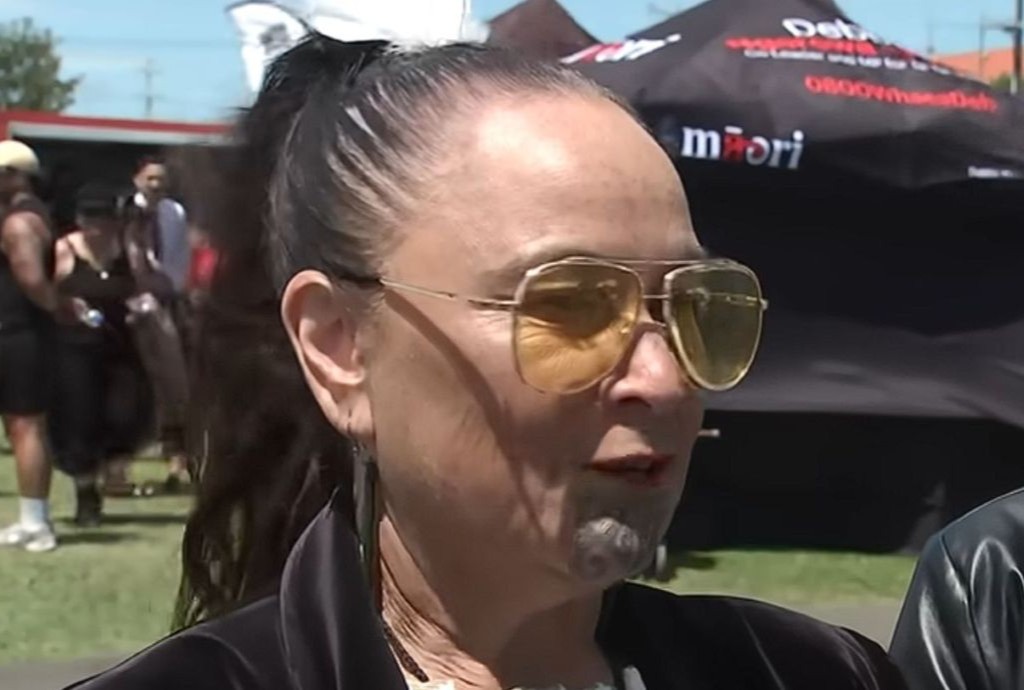
Speaking at Rātana, co-leader Debbie Ngarewa-Packer said she could work with Winston Peters and New Zealand First, floating the idea of cooperation across ideological lines.
The comments come as polling shows NZ First holding the balance of power, with either major bloc able to govern without Te Pāti Māori’s support.
Ngarewa-Packer framed 2025 as a bruising year for the party, marked by suspensions, self-inflicted wounds and the death of MP Takutai Tarsh Kemp. “Last year was just a write-off,” she said.
The outreach follows Labour leader Chris Hipkins publicly distancing his party from Te Pāti Māori during last year’s internal turmoil. “It’s not clear how many Māori Parties there are,” Hipkins remarked at the time, as questions mounted about the party’s stability.
Despite this, Ngarewa-Packer said Te Pāti Māori could be ready to govern by November.
“Obviously, there’s some things that I could never agree with NZ First on,” she said, “but on certain kaupapa, you have to work together.”
Peters has ruled out working with Hipkins and Te Pāti Māori.
Editor’s note: Senior figures in Te Pāti Māori, including Ngārewa-Packer, have repeatedly accused New Zealand First and Winston Peters of being “racist and hateful,” “anti-Māori,” pursuing policies that would “exterminate Māori,” and promoting “deliberate, systemic genocide.” Ngārewa-Packer has previously said the coalition government that included Peters as Deputy Prime Minister had “all the traits of typical white supremacists.”
Voters may reasonably wonder whether those claims were never meant literally and deployed only when politically useful, or whether they were meant literally, in which case today’s talk of cooperation is grotesque and unserious.