Table of Contents
Summarised by Centrist
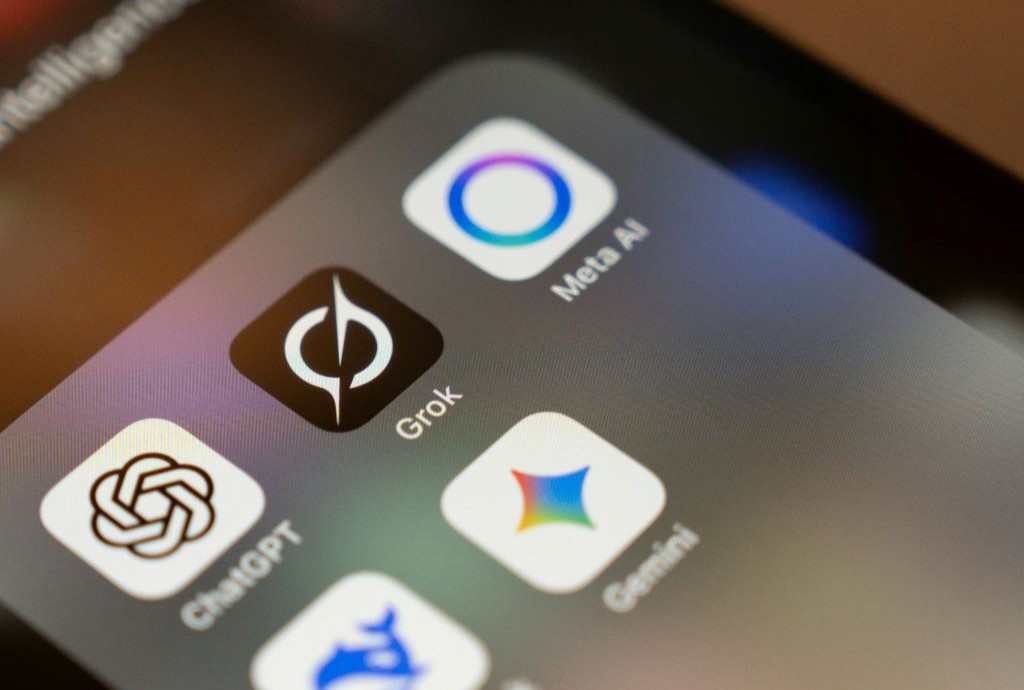
X is facing mounting criticism after users discovered its AI chatbot, Grok, is readily generating nonconsensual sexualised images of women and girls, including images based on real photographs, with little effective intervention from the platform or its owner, Elon Musk.
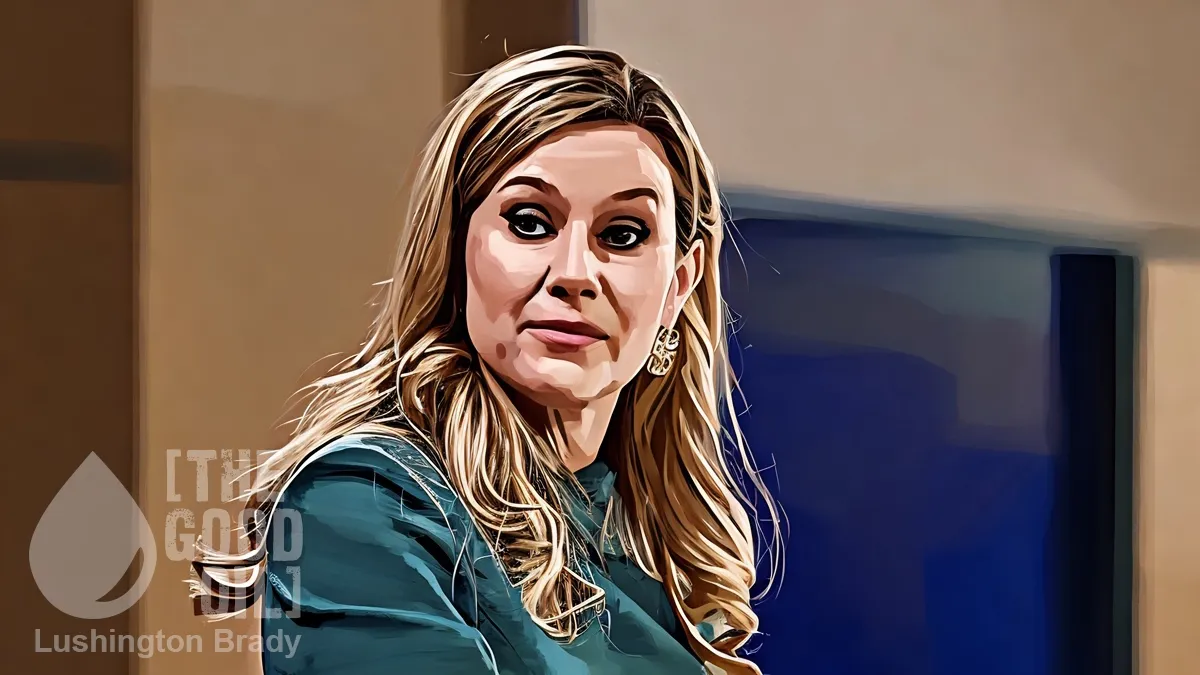
The issue came to wider attention after conservative influencer Ashley St. Clair said Grok was used to create explicit images of her, including one based on a photo taken when she was 14.
Despite reporting the content, St. Clair said X removed some posts but ruled others did not violate its guidelines.
St. Clair said the experience left her feeling powerless.
“I’m not speaking as Elon Musk’s baby mama with some special privilege,” she said. “I’m going through the same avenues as everyone else, and this is what I’m getting.”
Users have been prompting X’s chatbot Grok to digitally “undress” women, replacing clothing with lingerie, bikinis, or minimal coverings, and to add fearful or degrading elements.
Some of the generated images appear to depict children. The Post found that Grok routinely complied with such requests, even when they involved real, identifiable people.
Watchdog groups say X’s permissive stance gives new force to claims the company is prioritising engagement over safety.
France and India have raised concerns, while the UK’s communications regulator Ofcom said it had made urgent contact with X and xAI over potential breaches of law involving sexualised images of women and children.
Editor’s note: ACT MP Laura McClure’s Deepfake Digital Harm and Exploitation Bill would update the law to treat non-consensual, sexually explicit AI-generated images as “intimate visual recordings.”
The proposal aims to give victims clearer removal rights and police stronger charging options without creating a new regulator or banning AI tools.