
This is edition 2025/126 of the Ten@10 newsletter.
Hi all,
Last week I spent battling an awful flu, and something had to giver days of no slep and constant coughing... sadly it was the Ten@10.
I'm mostly recovered so here it is again. Thanks for your patience.
This is the Ten@10, where I collate and summarise ten news items you generally won't see in the mainstream media.
Enjoy!
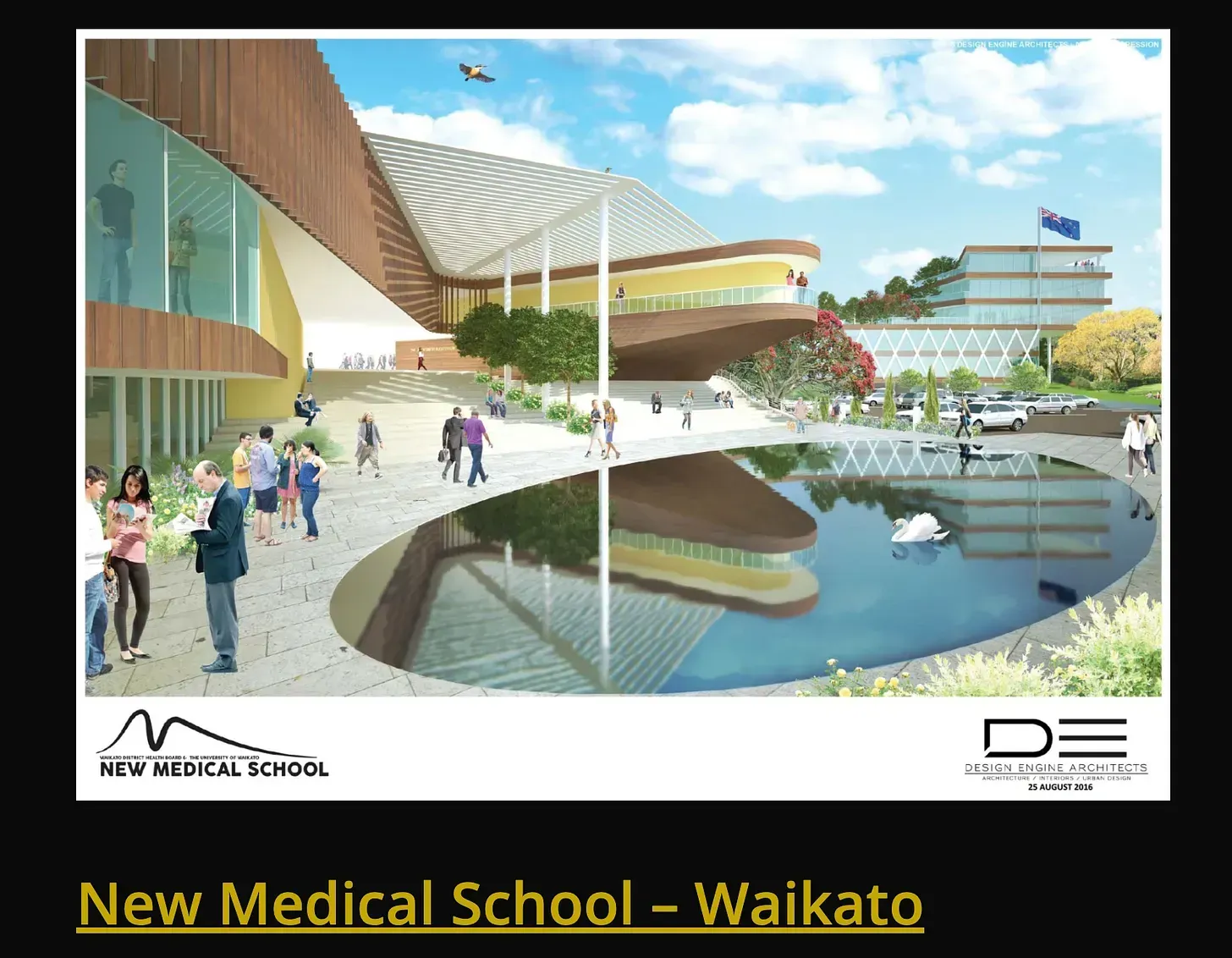
1. Waikato Medical School – A Costly case study in policy capture
Bryce Edwards
- 🏛️ Political Power Play: The decision to establish a new medical school at the University of Waikato is driven more by political influence and power than genuine health policy needs. It highlights policy capture, where lobbying and vested interests overshadow expert advice.
- 🎁 Backroom Deals: Waikato Vice-Chancellor Quigley and National's health spokesperson Shane Reti worked together on the project, with promises of the new med school as a "gift" to a future National government, raising concerns about political favoritism.
- 🏫 University's Involvement: Waikato University not only helped shape National’s policy but also funded National’s campaign event for the med school, raising questions about conflicts of interest and university independence.
- 📊 Ignoring Expert Advice: Government officials, including Treasury and the Ministry of Education, raised red flags about the project’s cost, duplication risks, and its political motivations, yet the project continued without proper scrutiny.
- 💼 Lobbyists and Cronies: High-powered lobbyists Neale Jones and Steven Joyce played key roles in pushing the med school proposal forward, with extensive payments from Waikato University, turning it into a classic case of influence-peddling.
- 💸 Questionable Procurement: Waikato University bypassed open procurement rules to hire Steven Joyce's firm for $1 million, with no justification for the no-bid contract, drawing criticism from the Auditor-General for lack of transparency.
- 🔍 Lack of Accountability: The entire process lacked transparency, from secret contracts to political deals, with little accountability for public spending. The public only learned the full extent of the deal through investigative journalism.
- 💡 Flawed Policy Rationale: The proposal lacks solid economic or educational justifications, with experts pointing out that expanding existing medical schools at Otago and Auckland would be cheaper and more effective in addressing doctor shortages.
- 🏥 Rural Health Concerns: While the project claims to address rural doctor shortages, there’s little evidence that a new school will achieve this better than existing programs. Critics argue it’s more of a vanity project than a real solution.
- ⚖️ Undermining Public Trust: The way this project was pushed through undermines public trust in governance. It shows how political insiders can influence major decisions, sidelining merit and evidence for political gain.
- 🔒 Need for Better Governance: The Waikato med school saga exemplifies how easily integrity can be compromised in policy-making. It calls for stricter lobbying rules, transparency in government-university relations, and stronger oversight to prevent such political manipulation in the future.